In the realm of industrial automation, proximity switches have evolved far beyond their traditional role as simple on/off detection devices. These robust and reliable components are now integral as measuring sensors, providing critical data for precision control, positioning, and monitoring in complex manufacturing and processing environments. Unlike conventional limit switches that require physical contact, proximity switches operate on non-contact principles, primarily inductive, capacitive, or magnetic, making them ideal for applications demanding high-speed response, longevity, and minimal maintenance.
The core function of a proximity switch as a measuring sensor lies in its ability to detect the presence, absence, or position of a target object and translate this into a quantifiable signal. Inductive proximity sensors, for instance, generate an electromagnetic field. When a metallic target enters this field, it induces eddy currents, causing a change in the sensor's oscillation amplitude. This change is processed internally, and the sensor outputs a switching signal. However, in measuring applications, the analog output versions of these sensors are key. Instead of a simple digital ON/OFF signal, they provide a continuous analog output voltage or current (e.g., 0-10V or 4-20mA) that is proportional to the distance between the sensor and the target. This linear relationship allows for precise distance measurement, such as monitoring the thickness of a metal sheet, controlling the position of a robotic arm, or gauging the fill level in a metallic container.
Capacitive proximity switches extend this capability to non-metallic materials like plastics, glass, wood, and liquids. They function by detecting changes in the capacitance between the sensor's active surface and the target. As the target approaches, the capacitance increases, altering the internal oscillator's state. Analog capacitive sensors can thus measure the proximity or level of various materials with high accuracy, making them indispensable in packaging, food processing, and chemical industries for tasks like bottle filling control or material thickness monitoring.
Magnetic proximity sensors, often using reed switches or Hall-effect technology, are specifically designed to detect permanent magnets. Their application as measuring sensors is prominent in linear and rotary motion systems. For example, in a hydraulic cylinder, a magnet integrated into the piston moves along with the cylinder rod. An array of magnetic proximity sensors mounted on the cylinder's exterior can detect the magnet's position, providing continuous, wear-free feedback on the piston's exact stroke position without any mechanical linkage. This data is crucial for precise cylinder control in injection molding machines or press brakes.
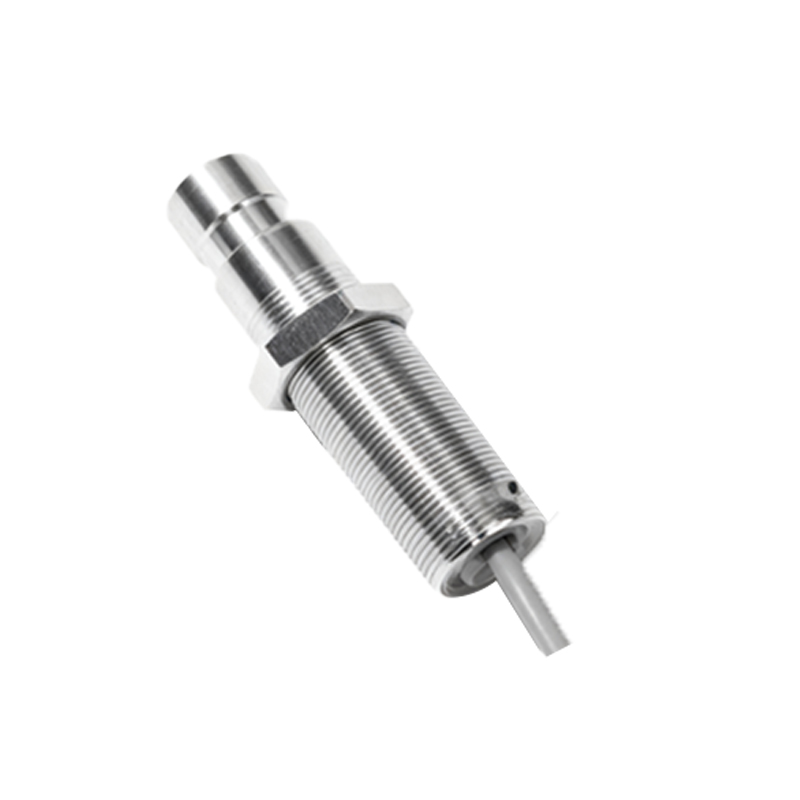
The advantages of using proximity switches as measuring sensors are manifold. Their non-contact nature eliminates mechanical wear, ensuring a long operational life and consistent accuracy. They are inherently resistant to dirt, dust, moisture, and vibration when properly housed, making them suitable for harsh industrial environments. The availability of both digital and analog outputs offers flexibility for integration into Programmable Logic Controller (PLC) systems, distributed control systems, or data acquisition units. High switching frequencies enable their use in high-speed production lines for real-time measurement and feedback.
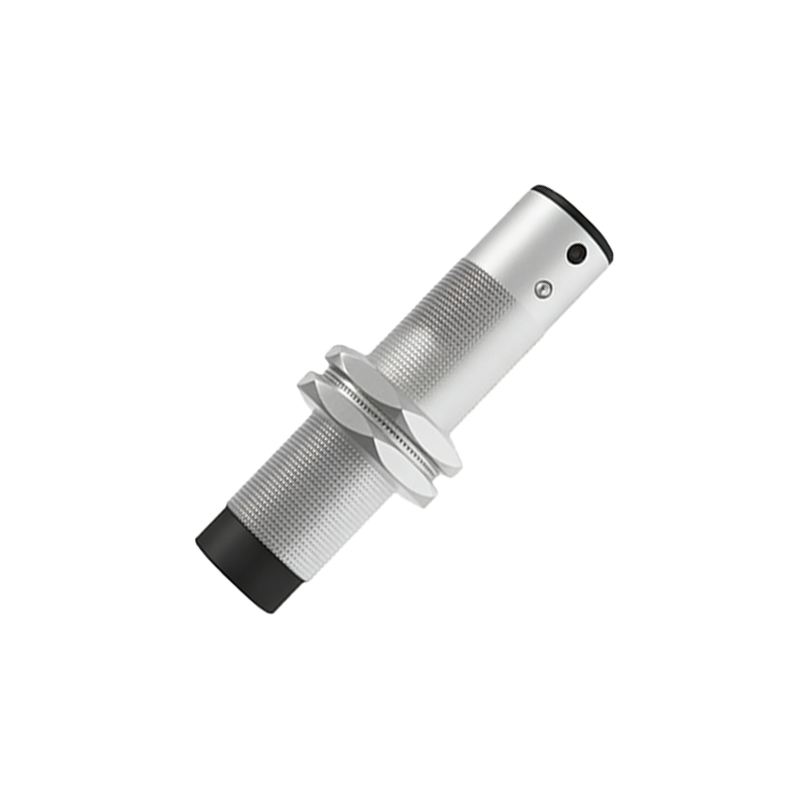
Key considerations for implementation include selecting the correct sensing technology (inductive, capacitive, or magnetic) based on the target material, defining the required measuring range and repeatability, ensuring appropriate environmental protection (IP rating), and calibrating the analog output signal to the specific application's distance parameters. Proper mounting and shielding are also essential to avoid interference from adjacent metal objects or other sensors.
In conclusion, proximity switches have firmly established themselves as versatile and dependable measuring sensors in modern industrial automation. By providing continuous, non-contact measurement of position, distance, and presence, they form the sensory foundation for intelligent, efficient, and precise automated systems. From automotive assembly and metalworking to material handling and process control, their role in enabling accurate measurement and feedback is indispensable for achieving higher levels of productivity, quality, and operational safety.