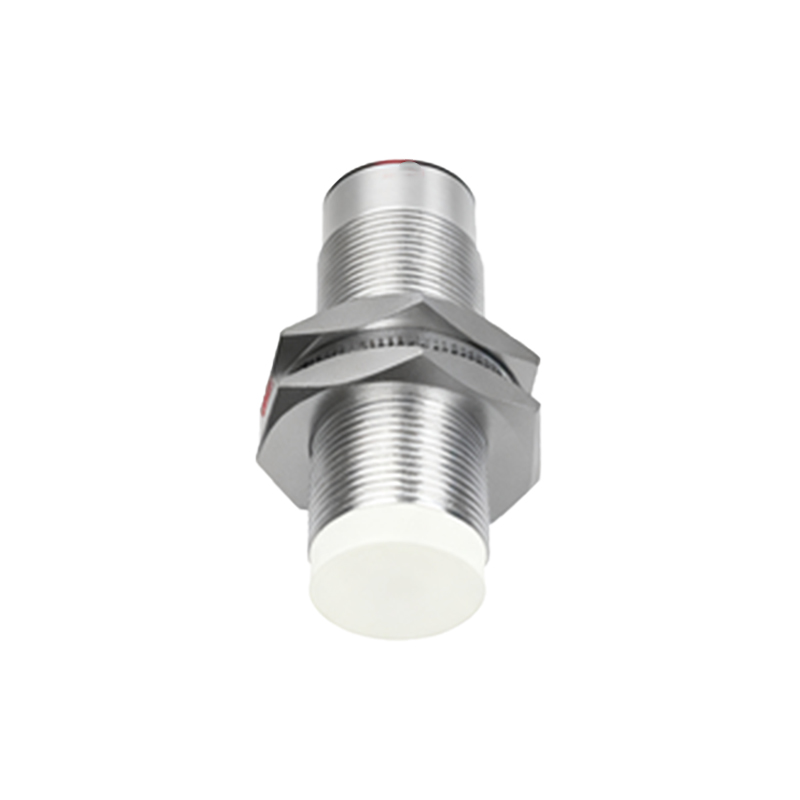
In the realm of industrial automation, proximity sensors stand as critical components for non-contact detection, ensuring seamless operations across manufacturing lines, robotics, and safety systems. Among the diverse range of sensors available, M5 proximity sensors have garnered significant attention for their robust design, high precision, and adaptability to harsh environments. This article delves into the technical specifications, operational principles, and practical applications of M5 proximity sensors, highlighting their role in enhancing efficiency and reliability.
M5 proximity sensors are typically characterized by their compact cylindrical housing with an M5 thread (5mm diameter), making them ideal for space-constrained installations. These sensors operate based on electromagnetic or capacitive principles, depending on the target material. Inductive M5 sensors are commonly used for detecting metallic objects, utilizing an oscillating circuit that changes when a metal target enters its field. Capacitive variants, on the other hand, can detect both metallic and non-metallic materials by measuring changes in capacitance caused by the presence of an object. This versatility allows M5 sensors to be deployed in varied scenarios, from monitoring conveyor belts to positioning robotic arms.
One of the key advantages of M5 proximity sensors is their high switching frequency and repeat accuracy. With response times often in the microsecond range, they enable rapid detection in high-speed automation processes, minimizing downtime and improving throughput. Additionally, their solid-state construction—devoid of moving parts—reduces wear and tear, leading to extended service life and lower maintenance costs. Many models feature built-in protection against environmental factors such as dust, moisture, and temperature extremes, often conforming to IP67 or higher ratings. This resilience ensures consistent performance in challenging conditions, from automotive assembly plants to food processing facilities.
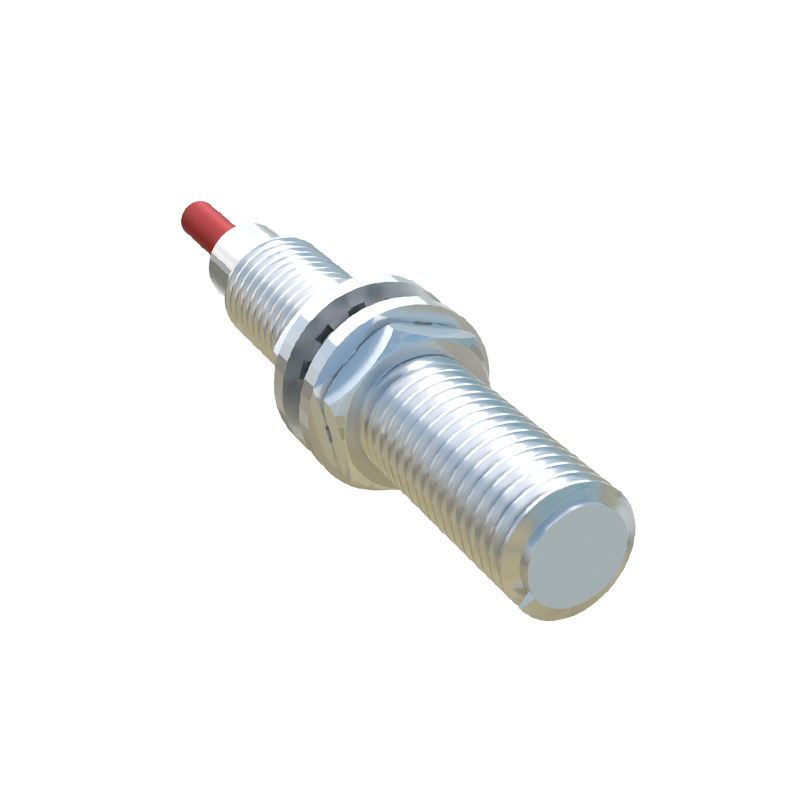
In practical applications, M5 proximity sensors are integral to modern industrial setups. For instance, in packaging machinery, they detect the presence of containers on a production line, triggering filling or sealing mechanisms with pinpoint accuracy. In robotics, these sensors provide feedback for precise object handling, preventing collisions and optimizing movement paths. Safety systems also leverage M5 sensors for presence detection in hazardous zones, automatically halting equipment when a worker is too close. The sensors' ability to operate without physical contact eliminates friction and contamination risks, which is crucial in sterile or sensitive environments like pharmaceutical manufacturing.
When selecting an M5 proximity sensor, engineers must consider factors such as sensing range, output type (e.g., NPN or PNP), and supply voltage compatibility. Typical sensing distances range from 0.5mm to 4mm, with shielded versions offering flush mounting capabilities to avoid interference from adjacent metal surfaces. Integration with programmable logic controllers (PLCs) and industrial networks is streamlined through standardized interfaces, facilitating real-time data exchange for smart factory initiatives. As Industry 4.0 advances, M5 sensors are evolving to include IO-Link connectivity, enabling remote configuration, diagnostics, and predictive maintenance—further boosting operational intelligence.
In conclusion, M5 proximity sensors represent a blend of compactness, durability, and technological sophistication. Their widespread adoption underscores their importance in achieving automated precision, from basic detection tasks to complex industrial ecosystems. By understanding their capabilities and applications, engineers can harness these sensors to drive innovation, enhance safety, and optimize productivity in an increasingly automated world.