In the realm of industrial automation, proximity sensors play a pivotal role in ensuring precision, safety, and efficiency. Among the diverse types available, FC ring proximity sensors stand out for their unique design and specialized applications. This case study delves into the practical implementation of these sensors, highlighting their operational principles, key advantages, and real-world scenarios where they deliver exceptional performance.
FC ring proximity sensors, characterized by their annular or ring-shaped detection area, are primarily used for detecting metallic objects passing through their center aperture. Unlike standard cylindrical sensors, the ring design allows for non-contact detection of objects in motion, making them ideal for applications involving wires, cables, fasteners, or any small metallic components on production lines. The working principle is based on electromagnetic induction: when a metallic target enters the sensor's magnetic field, it induces eddy currents, causing a change in oscillation amplitude that triggers an output signal. This enables reliable detection without physical contact, minimizing wear and tear.
One prominent application is in the automotive manufacturing sector. In assembly lines, FC ring sensors are employed to verify the presence and count of bolts or screws as they are fed through automated systems. For instance, a major automotive plant integrated FC ring sensors into their engine block assembly line. The sensors were mounted around conveyor chutes, detecting each metallic fastener before robotic arms installed them. This setup ensured zero missed components, reducing assembly errors by over 95% and enhancing overall product quality. The ring design allowed for seamless integration without obstructing the fasteners' path, maintaining high throughput rates.
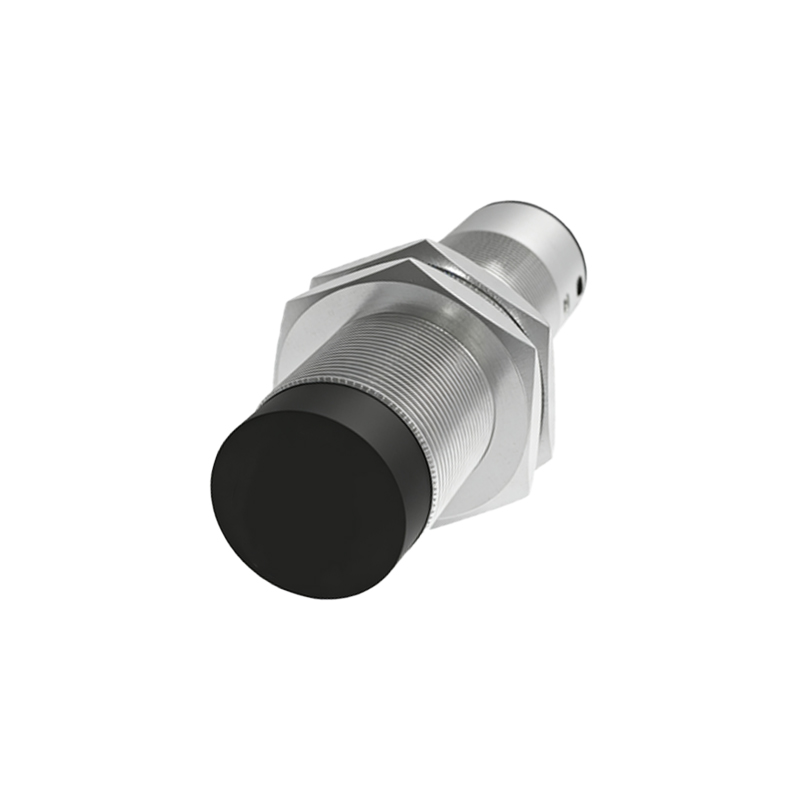
Another critical use case is in the packaging industry, particularly for metal detection in food and pharmaceutical packaging. FC ring sensors can identify metallic contaminants, such as stray metal fragments, in non-metallic packaging materials. A case from a pharmaceutical company illustrates this: they installed FC ring sensors at the final inspection stage of blister pack production. The sensors scanned each pack as it passed through the ring, instantly flagging any metallic impurities. This not only complied with stringent safety regulations but also prevented costly recalls, safeguarding brand reputation. The sensors' high sensitivity enabled detection of particles as small as 0.5 mm, demonstrating their precision.
In electronics manufacturing, FC ring sensors facilitate wire and cable guidance systems. During the production of connectors or harnesses, sensors detect the end of metallic wires fed through machinery, ensuring accurate cutting and termination. A telecommunications equipment manufacturer reported a 30% increase in production speed after deploying FC ring sensors in their cable assembly units. The sensors provided real-time feedback, allowing for immediate adjustments and reducing material waste. Their robust construction, often featuring IP67-rated housings, made them resistant to dust, moisture, and electromagnetic interference common in industrial environments.
The advantages of FC ring proximity sensors extend beyond detection accuracy. They offer easy installation and alignment due to their symmetrical design, which simplifies maintenance. Additionally, many models feature adjustable sensitivity, enabling customization for different target materials and sizes. This flexibility is crucial in industries like metalworking, where sensors must distinguish between various alloys. For example, a steel mill used FC ring sensors to sort scrap metal by type, optimizing recycling processes. The sensors' fast response times, typically in microseconds, support high-speed operations without lag.
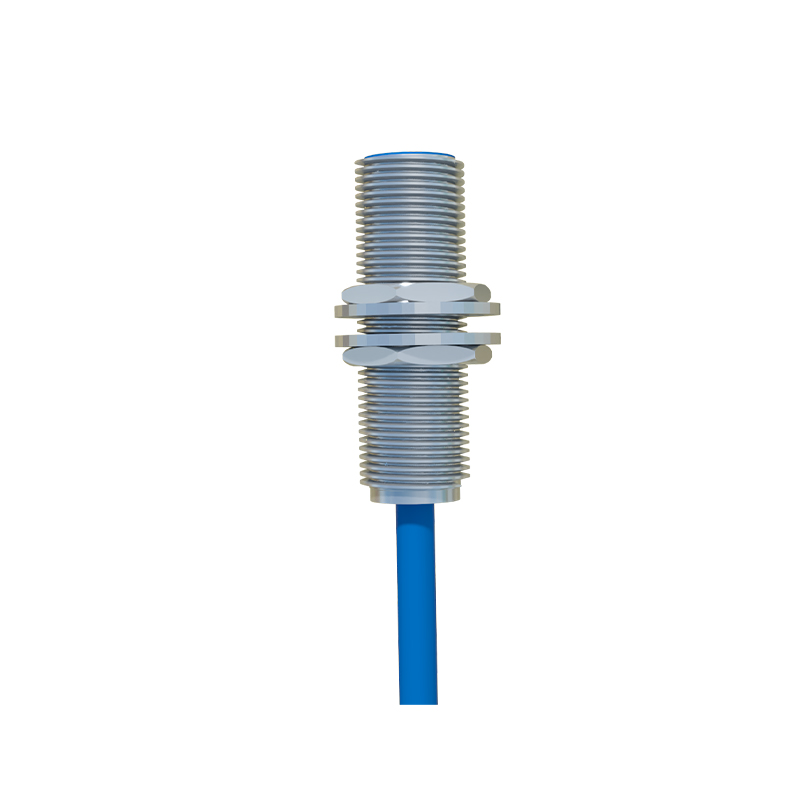
Despite their benefits, selecting the right FC ring sensor requires consideration of factors such as aperture size, target material, and environmental conditions. Aperture diameter must match the object's dimensions to avoid false triggers, while the sensor's frequency should align with the application's speed. In a case involving a bottling plant, engineers chose sensors with a 20 mm aperture to detect metal caps on glass bottles, ensuring reliable performance despite vibration and humidity. Regular calibration and shielding from adjacent metallic structures are also recommended to maintain accuracy.
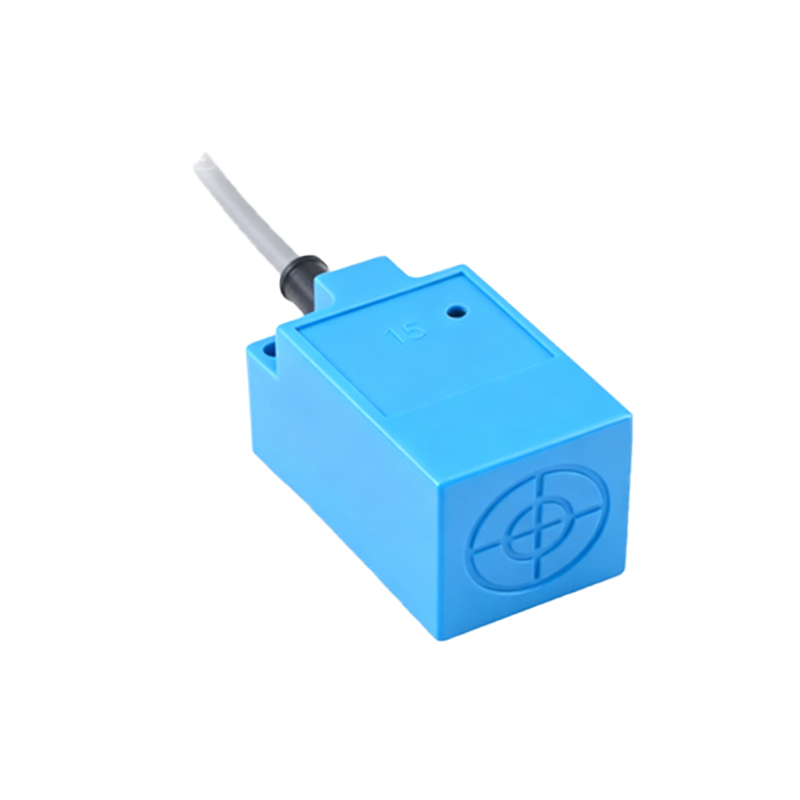
Looking ahead, advancements in FC ring sensor technology are focusing on miniaturization and smart features. Integration with IoT platforms allows for predictive maintenance, where sensors transmit data on operational health, reducing downtime. As industries embrace Industry 4.0, these sensors will continue to evolve, offering enhanced connectivity and analytics capabilities. In summary, FC ring proximity sensors are indispensable tools in modern automation, driving efficiency and reliability across diverse sectors. Their case-specific applications underscore the importance of tailored solutions in achieving operational excellence.