In the rapidly evolving landscape of industrial automation and process control, the selection and procurement of reliable distance proximity sensors are critical tasks for any electrical engineer or maintenance professional. These sensors, encompassing technologies like ultrasonic, inductive, capacitive, and laser-based systems, form the backbone of countless applications—from precise object detection on conveyor belts and robotic positioning to level monitoring in tanks and safety guarding. Knowing where to source these components is as important as understanding their specifications. This guide provides a professional overview of the primary purchasing channels, highlighting key considerations to ensure optimal performance, cost-effectiveness, and long-term reliability for your projects.
The first and most traditional avenue is through established industrial distributors and wholesalers. Companies like RS Components, Digi-Key, Mouser Electronics, and Allied Electronics & Automation maintain vast global inventories. Their primary strength lies in offering a wide range of brands—from market leaders like Siemens, Omron, Pepperl+Fuchs, and Banner Engineering to more cost-competitive alternatives. Purchasing from these distributors provides several advantages: immediate availability of technical datasheets, certified genuine products, and often, robust logistical support with various shipping options. For prototyping or urgent replacement needs, their online platforms are indispensable. However, pricing may be at a premium for single-unit purchases, and navigating their extensive catalogs requires a clear understanding of your required sensing range, output type (PNP/NPN, analog, IO-Link), housing material, and environmental ratings (IP67, IP69K).
For large-scale OEM projects or ongoing bulk requirements, engaging directly with the sensor manufacturers or their authorized regional partners is highly recommended. This channel facilitates deeper technical collaboration. Engineers can consult directly with application specialists to tailor solutions for challenging environments involving extreme temperatures, heavy washdowns, or sensing difficult materials like transparent glass or black rubber. Direct engagement often leads to better pricing structures for volume orders, access to custom-configurable sensors, and comprehensive after-sales support including calibration services and firmware updates. The relationship built here can be crucial for long-term system integrity and troubleshooting.
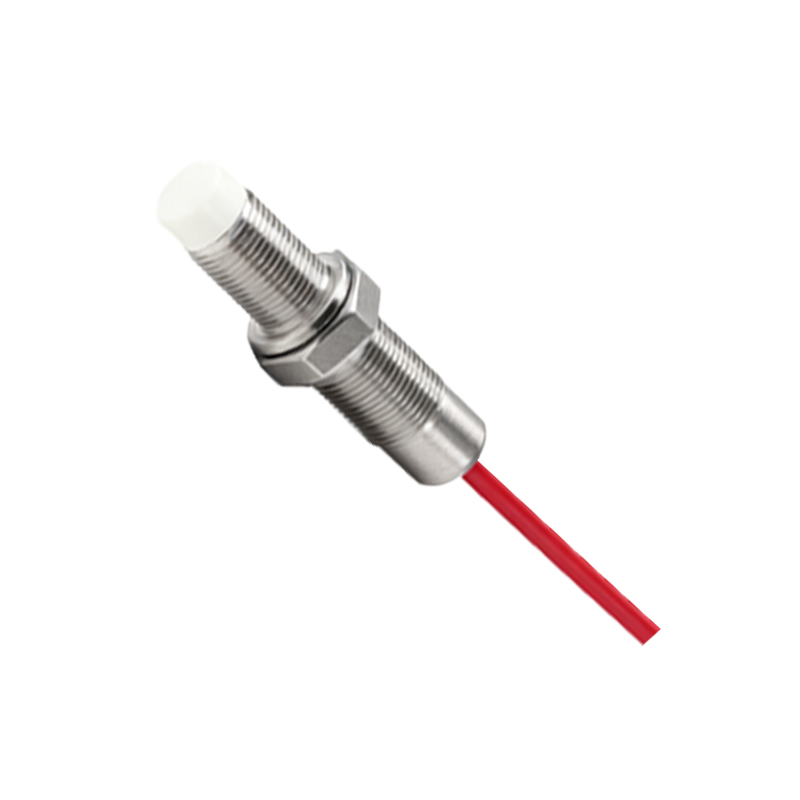
The rise of B2B e-commerce marketplaces, such as Amazon Business and Alibaba.com, has also created a significant procurement channel. These platforms can be useful for sourcing generic or widely used sensor models, often at competitive prices, especially from Asian manufacturers. While this offers convenience and price comparison, extreme caution is advised. The risk of encountering counterfeit components, inaccurate specifications, or lacking proper certification (e.g., CE, UL) is substantially higher. It is imperative to vet supplier ratings meticulously, request sample units for testing before bulk purchase, and ensure the products meet the necessary safety and performance standards for your industrial application. This channel is best suited for non-critical, low-risk applications or when sourcing well-known brands from their official storefronts on these platforms.
Beyond the "where," the "how" to buy is equally important. Prior to procurement, conduct a thorough lifecycle cost analysis. The cheapest sensor upfront may incur higher costs due to frequent failures, production downtime, or incompatibility with existing control systems. Always request samples for in-situ testing under real operating conditions—checking for electrical noise immunity, response time, and repeatability. Verify the supplier's warranty terms, local stock availability for critical spares, and the quality of their technical documentation. For specialized applications in food & beverage or pharmaceutical industries, ensure materials comply with FDA or EHEDG guidelines.
In conclusion, the optimal purchasing source for distance proximity sensors depends heavily on project scope, volume, technical complexity, and risk tolerance. A hybrid approach is often most effective: using major distributors for speed and variety in development phases, partnering with manufacturers for customized high-volume production lines, and exercising diligent caution on open marketplaces. By aligning your procurement strategy with clear technical requirements and a focus on total cost of ownership, you can secure the precise sensing solutions that ensure operational efficiency and robustness in any industrial setting.