In industrial automation systems, proximity sensors play a critical role in ensuring safety, precision, and efficiency. One of their key functions is controlling the disconnection of switches in various applications, from machinery operation to safety interlocks. This article delves into the principles behind proximity sensor-controlled switch disconnection, explores common sensor types, and highlights practical applications in modern industrial settings.
Proximity sensors are non-contact devices that detect the presence or absence of an object within a specified range. They operate based on electromagnetic, capacitive, or inductive principles, generating an output signal when a target object enters their sensing field. This signal can be used to trigger the disconnection of a switch, effectively halting a process or enabling a safety mechanism. For instance, in conveyor systems, a proximity sensor might detect an object out of position and immediately disconnect the drive motor switch to prevent jams or damage.
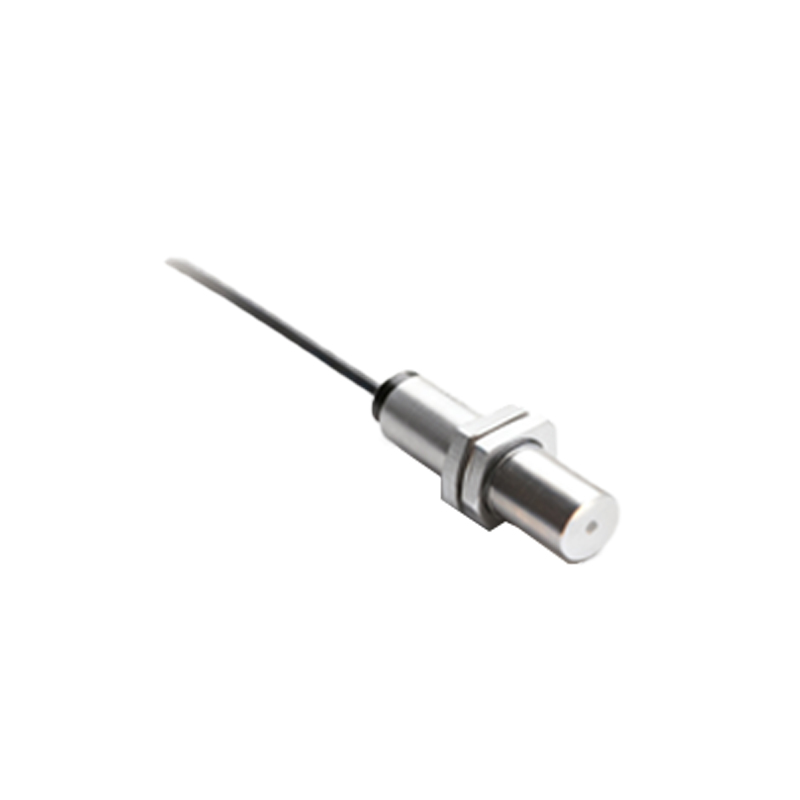
Inductive proximity sensors are among the most widely used types for metallic object detection. They generate an electromagnetic field and detect changes caused by metallic targets. When a metal object approaches the sensor, eddy currents are induced, altering the sensor's oscillation amplitude. This change triggers the sensor's output circuit, which can be configured to open (disconnect) a switch in the control system. These sensors are ideal for harsh environments due to their robustness and resistance to dust, moisture, and vibrations.
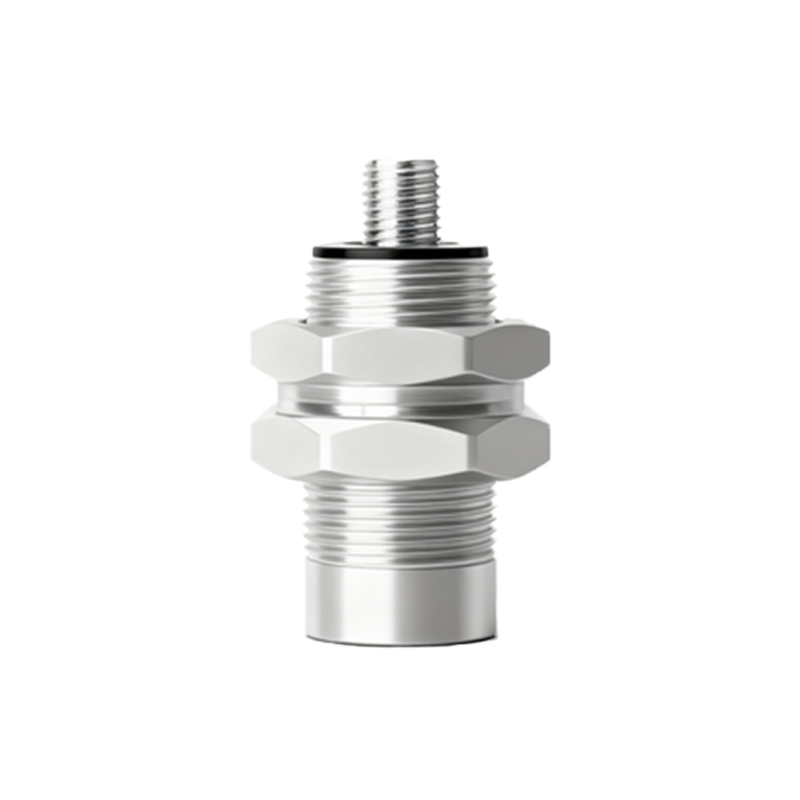
Capacitive proximity sensors, on the other hand, can detect both metallic and non-metallic objects by sensing changes in capacitance. They are useful in applications involving materials like plastics, liquids, or wood. In packaging lines, for example, a capacitive sensor might detect a missing container and disconnect the filling machine switch to avoid spills. Ultrasonic and photoelectric sensors offer longer sensing ranges and are employed in scenarios requiring precise distance measurement or detection of transparent objects.
The process of switch disconnection via proximity sensors involves several components: the sensor itself, a signal conditioning unit, and a switching device such as a relay or solid-state switch. When the sensor detects a predefined condition—such as an object too close to a danger zone—it sends a signal to the control unit. This unit then activates the switch disconnection mechanism, cutting off power or stopping motion. This rapid response is crucial in emergency stops, where milliseconds can prevent accidents.
In safety applications, proximity sensors are integral to interlock systems. Machine guards equipped with sensors ensure that switches remain disconnected (keeping machinery off) until the guard is properly closed. If the guard is opened during operation, the sensor immediately triggers switch disconnection, halting the machine to protect operators. This aligns with international safety standards like ISO 13849, which mandate fail-safe design principles.
Moreover, proximity sensor-controlled disconnection enhances energy efficiency. In automated lighting systems, sensors detect occupancy and disconnect switches to turn off lights in unoccupied areas, reducing power consumption. Similarly, in HVAC systems, sensors monitor room occupancy and adjust ventilation switches accordingly.
Despite their advantages, implementing these systems requires careful consideration. Factors like sensing range, environmental conditions, and target material influence sensor selection. Regular maintenance and calibration are essential to prevent false triggers or failures. For instance, metallic debris near an inductive sensor might cause unintended disconnections, while dirt on a capacitive sensor could reduce its sensitivity.
In conclusion, proximity sensors provide a reliable and efficient means of controlling switch disconnection in industrial automation. By enabling non-contact detection and rapid response, they contribute to safety, precision, and energy savings across diverse applications. As technology advances, smart sensors with integrated diagnostics and connectivity are set to further optimize these systems, paving the way for smarter and safer industrial environments.