Proximity sensors are indispensable components in modern industrial automation, serving as the primary interface for non-contact detection of metallic and, in some cases, non-metallic objects. Their reliability and longevity are heavily dependent on operating within specified environmental parameters, with ambient temperature being one of the most critical factors. This article delves into the intricacies of proximity sensor operating temperature ranges, exploring the underlying technology, industry standards, and practical implications for system design and maintenance.
The operating temperature range of a proximity sensor defines the ambient temperature limits within which the device can function correctly and maintain its specified performance characteristics. This range is not arbitrary; it is meticulously determined by the sensor's internal construction, materials, and electronic components. Typically, a standard inductive proximity sensor, designed for ferrous metal detection, has an operating range from -25°C to +70°C. However, specialized models can extend these limits significantly, with high-temperature variants operating up to +120°C or even +150°C, and low-temperature models functioning reliably down to -40°C or lower.
Several key internal components dictate these thermal limits. The oscillator coil, core, and windings are susceptible to temperature-induced changes in inductance and resistance. Semiconductor components, such as the integrated circuit responsible for signal processing and switching, have strict junction temperature ratings. Excessive heat can lead to accelerated electron migration, increased leakage current, and ultimately, catastrophic failure. Conversely, extreme cold can cause embrittlement of materials, contraction affecting mechanical tolerances, and reduced electrolyte performance in capacitors. The housing material, often nickel-plated brass, stainless steel, or PBT plastic, must also maintain its structural integrity and sealing properties across the entire specified range to protect against ingress and thermal stress.
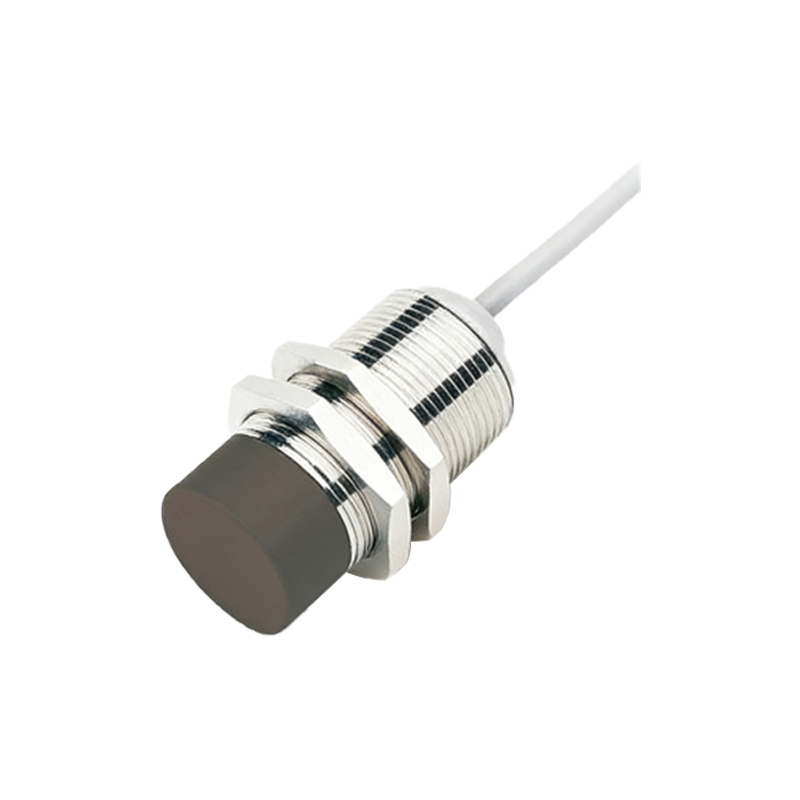
Industry standards, notably IEC 60947-5-2, provide a framework for testing and specifying these parameters. The standard outlines procedures for verifying performance under temperature extremes, including testing for starting characteristics and temperature drift. Temperature drift refers to the change in the sensor's switching point (the distance at which it detects an object) as temperature fluctuates. High-quality sensors are engineered to minimize this drift, ensuring consistent detection accuracy. Engineers must consult the manufacturer's datasheet for the precise "rated operational temperature" (Te) and "storage temperature" (Tstg), which are distinct values. Operating a sensor outside its Te range can void warranties and lead to premature failure.
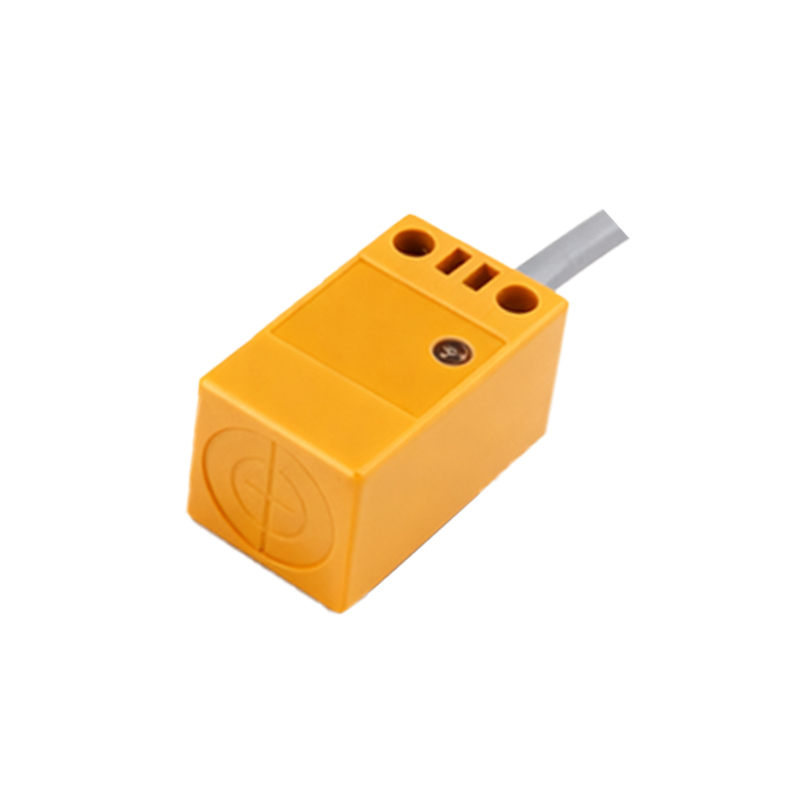
The practical consequences of ignoring temperature specifications are severe. In high-temperature environments, such as near furnaces, welding stations, or hot machinery, a standard sensor may experience thermal shutdown, permanent calibration shift, or melting of plastic components. This leads to unplanned downtime, production losses, and safety hazards. In cold environments, like refrigerated warehouses or outdoor applications in winter, issues include sluggish response times, condensation forming inside the housing leading to short circuits, and mechanical binding of moving parts in certain sensor types.
Selecting the right sensor for the application's thermal profile is paramount. For high-temperature applications, engineers should seek sensors with explicitly stated extended temperature ratings, often featuring high-temperature coils, specialized ICs, and robust housing. Ensuring adequate derating—maintaining a safety margin between the maximum ambient temperature and the sensor's upper limit—is a best practice. For low-temperature duty, sensors with specifications covering the expected lows are essential. Additionally, considering the effects of self-heating is crucial. The sensor itself generates heat during operation due to power dissipation. In a tightly enclosed control panel with multiple devices, the internal ambient temperature can be significantly higher than the external workshop temperature, a scenario that must be accounted for in thermal management.
Installation and environmental management play a supportive role. Providing shade or heat sinks for sensors in direct sunlight, ensuring proper airflow around control cabinets, and using protective boots or shrouds in splash-cooled areas can mitigate temperature extremes. Regular maintenance should include visual inspections for heat-related damage, such as discolored housings or cracked seals.
In conclusion, the operating temperature range is a fundamental specification that demands careful attention from electrical engineers and system designers. It is a direct determinant of system reliability, accuracy, and total cost of ownership. By understanding the technological constraints, adhering to standards, meticulously reviewing datasheets, and implementing sound selection and installation practices, professionals can ensure that proximity sensors deliver optimal, fail-safe performance throughout their intended service life, even in the most thermally challenging industrial environments.