In the realm of industrial automation and machine control, proximity switch sensor discs play a critical yet often understated role. These precision-engineered components are fundamental to the operation of rotary encoders and position sensing systems that utilize inductive, capacitive, or magnetic proximity sensors. A sensor disc, essentially a rotating metal or coded wheel, modulates the sensor's field, converting mechanical rotation into precise, reliable electrical signals for speed, position, and direction monitoring.
The core function of a proximity sensor disc is to create a predictable change in the sensing field. For inductive proximity sensors, which detect metallic objects, the disc is typically manufactured from ferrous or non-ferrous metal. As the disc rotates, its teeth or slots pass through the sensor's electromagnetic field. Each tooth causes an eddy current loss, triggering the sensor's output switch. The pattern of teeth—their number, shape, and spacing—directly determines the resolution and accuracy of the measurement. A disc with 60 teeth, for instance, generates 60 pulses per revolution, enabling precise rotational speed calculation.
Magnetic encoder discs operate on a similar principle but use alternating poles of magnetization instead of physical teeth. These discs work in tandem with magnetic proximity sensors or Hall-effect sensors. The alternating magnetic fields induce voltage changes in the sensor, producing a clean digital pulse train. This design is highly advantageous in environments contaminated with oil, dust, or debris, as there is no physical contact and no risk of mechanical wear on the disc pattern.
The design and manufacturing of these discs demand high precision. Material selection is paramount. For inductive applications, mild steel is common, but stainless steel may be specified for corrosive environments. The disc must exhibit consistent magnetic permeability or conductivity. Thickness and mechanical rigidity are also crucial to prevent deformation at high rotational speeds, which would cause signal inaccuracy. The mounting hub must be machined to exact tolerances to ensure perfect concentricity; any eccentricity introduces periodic error into the measurement signal.
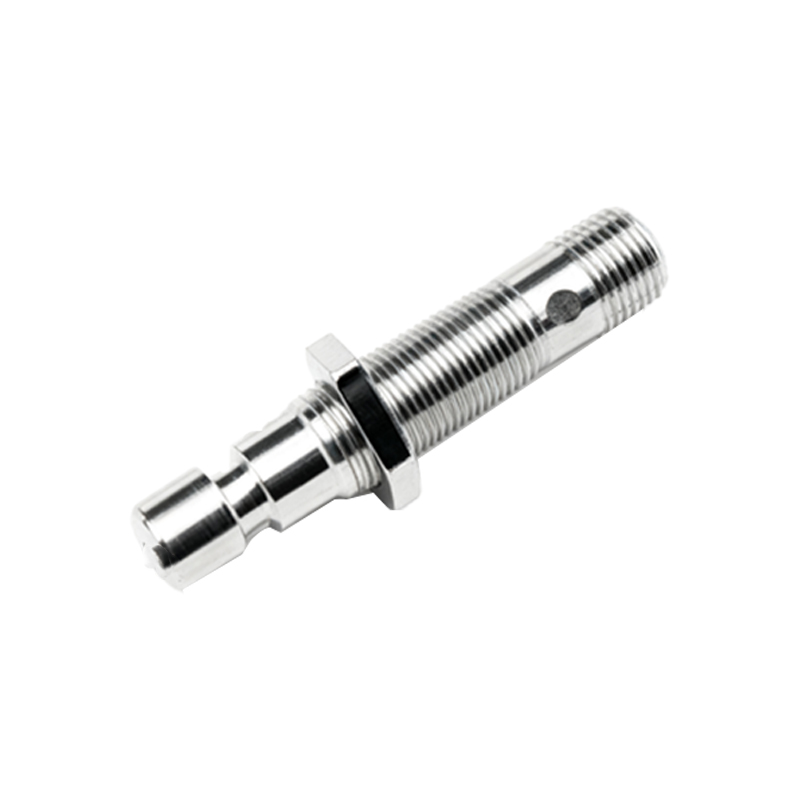
From an application standpoint, proximity sensor discs are ubiquitous. They are integral to motor feedback systems in CNC machines, robotics, and conveyor drives, providing real-time data for closed-loop control. In the automotive industry, they monitor crankshaft and camshaft position in engine management systems. They are also found in packaging machinery for registration control, in textile machines for yarn tensioning, and in aerospace for actuator position feedback. The robustness of the sensing principle—often fully sealed and without physical contact—makes these systems exceptionally reliable for harsh industrial duty.
Choosing the correct sensor disc involves several technical considerations. The required resolution (pulses per revolution) dictates the number of teeth or magnetic poles. The operating environment determines the material: hardened steel for abrasive conditions, non-ferrous metals for short sensing ranges with inductive sensors, or composite materials for magnetic discs. The maximum operational speed is another critical factor; discs for high-speed applications require dynamic balancing. Furthermore, the output signal format needed by the controller—whether a simple on/off switch, a quadrature signal for direction detection, or a sinusoidal wave for interpolation—influences the disc's pattern design.
Installation and alignment are final, critical steps. The air gap between the disc and the sensor face must be set according to the manufacturer's specifications, typically within a narrow range of 0.5 to 1.5 mm. Misalignment can lead to inconsistent pulse amplitude or missed counts. Regular maintenance involves checking for physical damage to the teeth, buildup of metallic swarf (for inductive types), and ensuring the mounting remains secure.
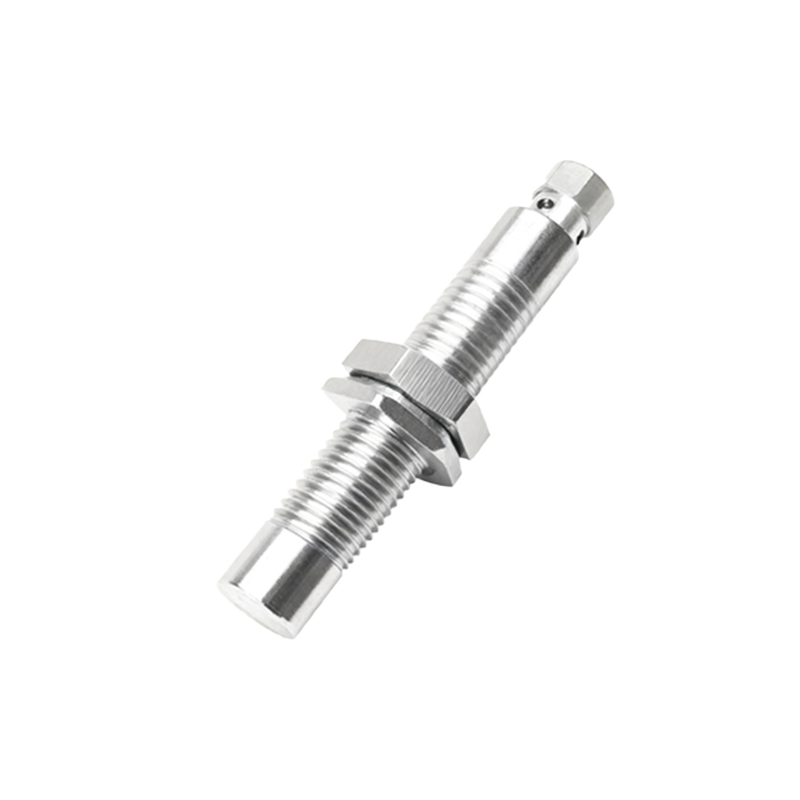
In summary, the proximity switch sensor disc is a masterpiece of electromechanical interface design. It translates the analog world of mechanical motion into the digital language of control systems with remarkable fidelity. Its simplicity in concept belies the sophistication required in its engineering and application. As automation advances towards greater precision and connectivity, the humble sensor disc remains a foundational element, ensuring machines see, understand, and respond to movement with unwavering accuracy.