In the demanding world of industrial automation and process control, operating in extreme environments is a constant challenge. Among these, cryogenic conditions—temperatures plunging well below -40°C (-40°F) and often reaching the realm of liquid nitrogen or helium—pose a unique set of obstacles for sensing technology. Standard proximity sensors fail as materials become brittle, seals contract, and electronic components cease to function reliably. This is where specialized cryogenic proximity sensors become indispensable. These robust devices are engineered to detect the presence or absence of metallic or non-metallic objects in ultra-low temperature zones, ensuring safety, precision, and continuity in applications like LNG processing, superconducting systems, aerospace testing, and pharmaceutical freeze-drying. Selecting the right brand is paramount for performance and longevity. Based on technological innovation, product reliability, industry adoption, and specialized cryogenic expertise, here is a ranking of the top five brands leading this niche yet critical field.
1. Balluff GmbH
A global powerhouse in sensor technology, Balluff stands out for its deep application knowledge in harsh environments. Their cryogenic sensor series is renowned for exceptional resilience. Utilizing specially formulated housing materials and seals that resist extreme thermal contraction, Balluff sensors maintain their integrity and sensing distance even when immersed in cryogenic fluids. They offer a wide range of inductive and capacitive models with FDA-approved materials for food and pharmaceutical applications. What sets Balluff apart is their comprehensive system integration support, providing not just sensors but also cryogenic-rated connectors and cabling solutions, ensuring a seamless and reliable installation.
2. ifm electronic GmbH
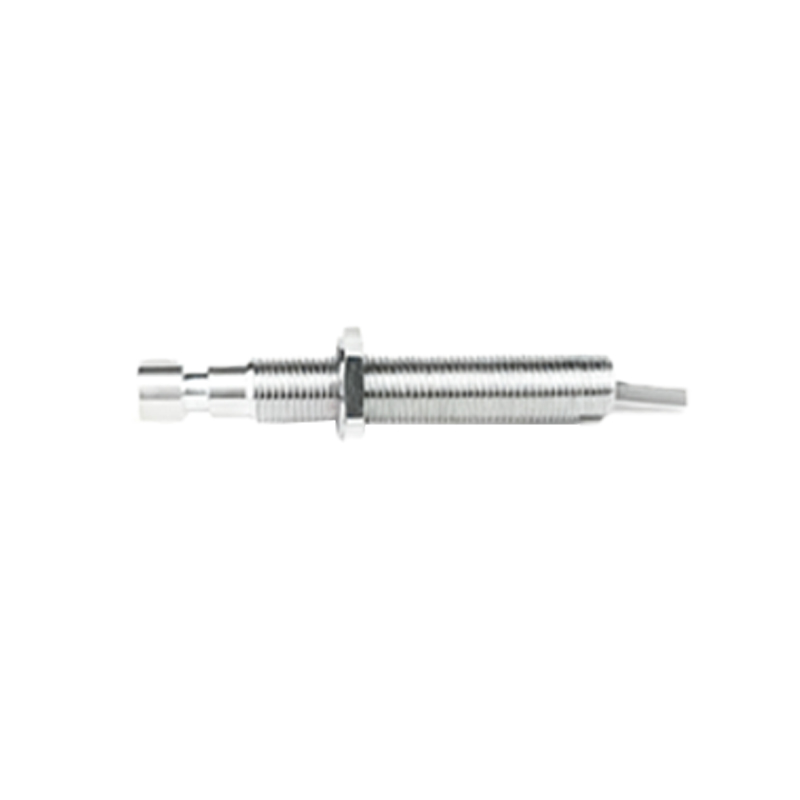
ifm electronic is synonymous with ruggedness and diagnostic intelligence. Their "cryogenic-ready" inductive sensors are designed to withstand thermal shock and continuous operation at temperatures as low as -196°C. ifm integrates advanced condition monitoring features, allowing for predictive maintenance—a crucial advantage in hard-to-access cryogenic plants. Their IO-Link communication capability enables detailed parameterization and real-time health data transmission, providing unparalleled process transparency. ifm's strength lies in combining robust mechanical design with smart digital functionality, making them a top choice for modern, data-driven industrial facilities.
3. Pepperl+Fuchs
With a legendary reputation in explosion protection and intrinsic safety, Pepperl+Fuchs brings that same rigor to the cryogenic sector. Their sensors are engineered for the dual hazards of extreme cold and potentially explosive atmospheres, common in LNG facilities. They employ proprietary coating technologies and stainless-steel housings that prevent icing and condensation buildup, which can lead to false triggers or mechanical failure. Pepperl+Fuchs offers a highly customizable portfolio, allowing engineers to specify exact sensing ranges, output types, and connection styles tailored to complex cryogenic system layouts.
4. Turck
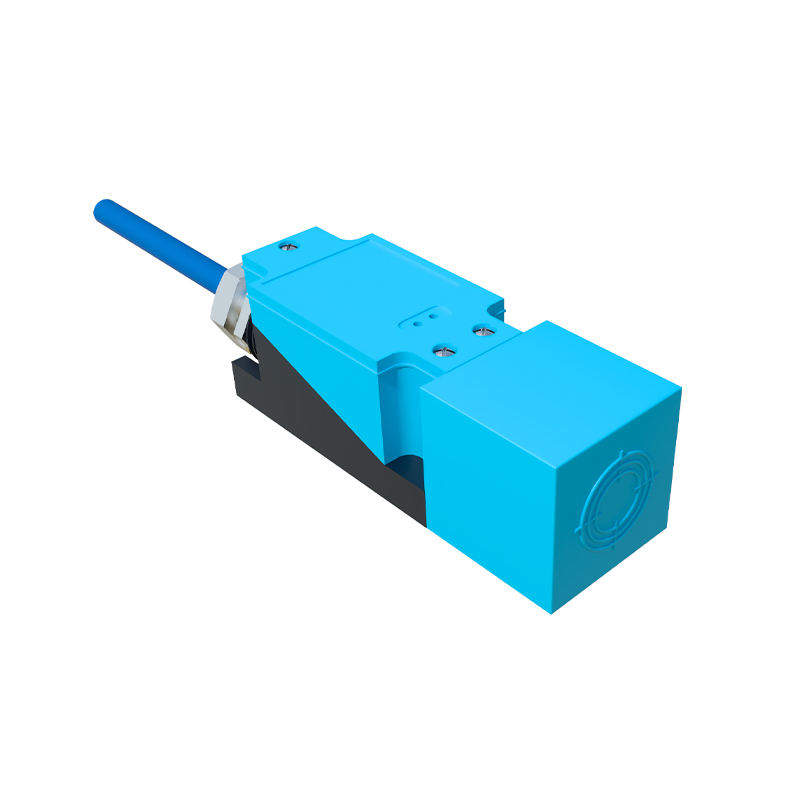
Turck excels in providing connectivity solutions for extreme environments, and their cryogenic proximity sensors are a testament to this. Their "multi-distance" inductive sensors are particularly notable, maintaining a consistent switching point regardless of target material (steel, aluminum, copper), a feature that simplifies inventory and installation in mixed-material cryogenic systems. Turck's sensors often feature a welded stainless-steel housing and PTFE cables, offering superior resistance to aggressive coolants and physical stress. Their global distribution and technical support network make them a reliable partner for multinational projects.
5. SICK AG
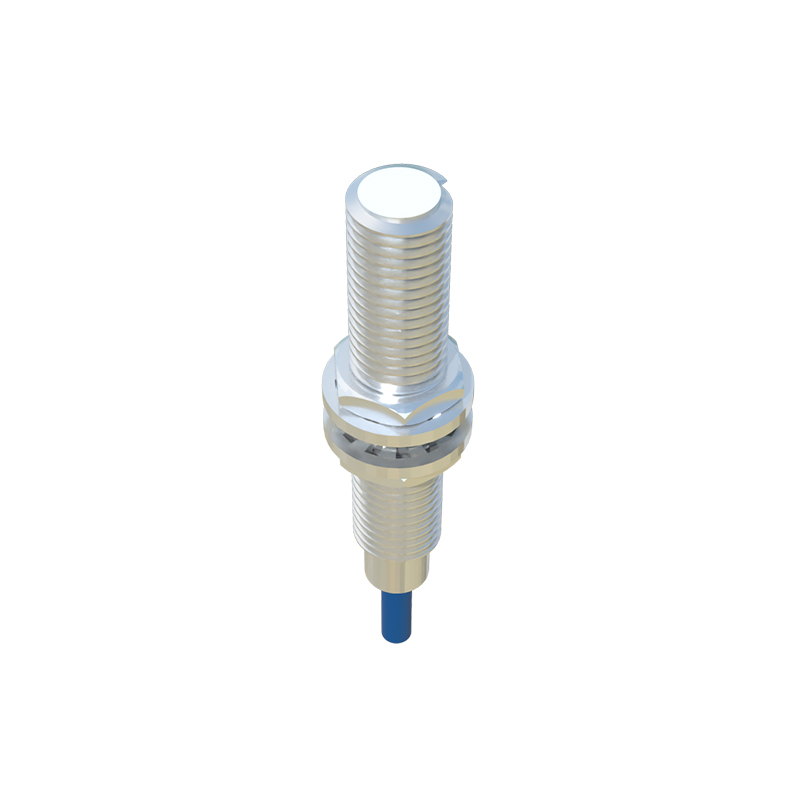
SICK brings a high-precision, solution-oriented approach to cryogenic sensing. While known for complex photoelectric and lidar systems, their inductive proximity sensors for low-temperature applications are precision instruments. They focus on applications requiring minute accuracy, such as in semiconductor manufacturing or particle accelerator cooling systems. SICK sensors undergo rigorous validation cycles, including prolonged thermal cycling tests, to guarantee long-term stability and minimal drift. Their expertise in integrating sensors into safety circuits (e.g., SIL 2/3) adds a critical layer of reliability for protecting high-value cryogenic infrastructure.
Key Selection Criteria Beyond the Brand:
When specifying a cryogenic proximity sensor, consider these technical aspects:
Temperature Range: Ensure the sensor's specified range covers both operational minimums and any potential thermal cycling.
Thermal Shock Resistance: The sensor must withstand rapid temperature changes without cracking or delamination.
Sealing and Materials: Look for high-grade stainless steel (e.g., 316L), specialized elastomers like FKM (Viton), and hermetic glass-to-metal seals.
Sensing Distance Reduction: Be aware that the effective sensing distance (Sn) of inductive sensors typically decreases at cryogenic temperatures; consult manufacturer derating charts.
Electrical Characteristics: Verify that output transistors and internal components are rated for performance at low temperatures.
In conclusion, navigating the cryogenic sensing landscape requires partners with proven expertise. The brands listed above have demonstrated consistent innovation and reliability where