In the world of modern agricultural and industrial machinery, tractors have evolved into sophisticated vehicles equipped with advanced electronic systems. Among these, proximity sensors play a crucial role in enhancing safety, efficiency, and operational precision. For engineers, technicians, and operators in the electrical and automotive fields, understanding the exact locations of these sensors on a tractor is essential for maintenance, troubleshooting, and optimization. This article provides a detailed, industry-oriented guide to where proximity sensors are typically installed on tractors, based on common engineering practices and design standards.
Proximity sensors on tractors are primarily non-contact devices that detect the presence or absence of objects within a specific range. They are often used to monitor critical components and ensure safe operations. The placement of these sensors varies depending on the tractor model, manufacturer specifications, and intended applications, but several key locations are standard across most designs.
One of the most common areas for proximity sensor installation is near the wheels or axles. Here, sensors are used to monitor wheel speed and rotation, contributing to anti-lock braking systems (ABS) and traction control. Typically, these sensors are mounted on the axle housing or brake assembly, aligned with a tone ring or gear attached to the wheel hub. This setup allows for precise detection of rotational movement, helping to prevent skidding and improve stability on uneven terrain.
Another critical location is around the hitch or implement attachment points. In agricultural tractors, proximity sensors are often integrated into the three-point hitch system to detect the position of attached implements, such as plows or seeders. These sensors are usually positioned on the hitch arms or linkage, providing feedback to the tractor's control system for automated height adjustment and load management. This enhances operational accuracy and reduces manual intervention.
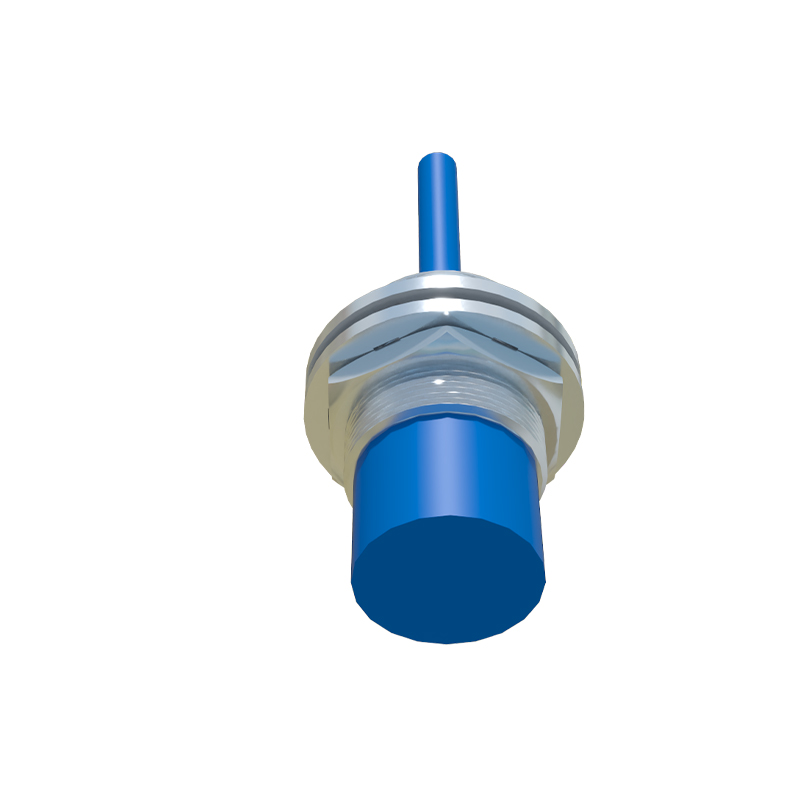
The engine compartment also houses proximity sensors, particularly for monitoring moving parts like the crankshaft or camshaft. These sensors are essential for engine timing and performance optimization. They are typically mounted on the engine block or timing cover, facing the rotating components. By detecting the position of key engine parts, they enable precise fuel injection and ignition timing, leading to better fuel efficiency and reduced emissions.
In the cab area, proximity sensors may be installed for operator safety and convenience. For example, sensors can be found near the doors or steps to detect the presence of the operator, activating lights or warning systems as needed. Additionally, some advanced tractors feature sensors in the steering column or control levers to monitor hand placement and prevent accidental activation of controls.
Hydraulic systems on tractors also rely on proximity sensors to monitor fluid levels, pressure, and valve positions. These sensors are often located on hydraulic cylinders, pumps, or reservoirs. They provide real-time data to the tractor's electronic control unit (ECU), ensuring smooth operation of lifting and tilting functions, which is vital for tasks like loading and material handling.
For autonomous or semi-autonomous tractors, proximity sensors are strategically placed around the vehicle's perimeter for obstacle detection and collision avoidance. These sensors, which may include ultrasonic or radar-based types, are mounted on the front, rear, and sides of the tractor. They create a safety zone, alerting the system to potential hazards and enabling automated steering or braking responses.
Maintenance and troubleshooting of proximity sensors require a thorough understanding of their locations. Engineers should refer to the tractor's service manual for specific diagrams and specifications. Common issues include sensor misalignment, dirt accumulation, or wiring damage, which can be addressed by regular inspections and cleaning. Using diagnostic tools to check sensor output signals is also recommended for accurate fault detection.
In summary, proximity sensors on tractors are integral to modern electrical and mechanical systems. Their placement is designed to optimize performance, safety, and efficiency across various operational aspects. By familiarizing themselves with these locations, professionals in the electrical industry can ensure reliable tractor functionality and contribute to advancements in agricultural and industrial technology. As tractors continue to evolve with more automation and connectivity, the role of proximity sensors will only grow in importance, making this knowledge a valuable asset for engineers and technicians alike.