Semiconductor proximity sensors represent a cornerstone technology in modern industrial automation, enabling non-contact detection of objects with high precision and reliability. These devices operate based on the fundamental principles of semiconductor physics, utilizing changes in electrical or magnetic fields to sense the presence, absence, or position of target objects without physical contact. The core mechanism involves an oscillator circuit that generates an electromagnetic field or a beam of light from a semiconductor-based emitter. When a target object enters this field, it causes a detectable alteration—such as a change in capacitance, inductance, or optical reflection—which is then converted into an electrical signal by integrated semiconductor components like transistors or microchips.
There are three primary types of semiconductor proximity sensors: inductive, capacitive, and photoelectric. Inductive sensors, commonly used for detecting metallic objects, rely on a coil and oscillator to create an electromagnetic field. The eddy currents induced in a metal target dampen the oscillation, triggering a switch. Capacitive sensors, suitable for both metallic and non-metallic materials including liquids and plastics, measure changes in capacitance between the sensor and the target. Photoelectric sensors use a semiconductor light source (typically an LED or laser diode) and a photodetector to sense interruptions or reflections of a light beam.
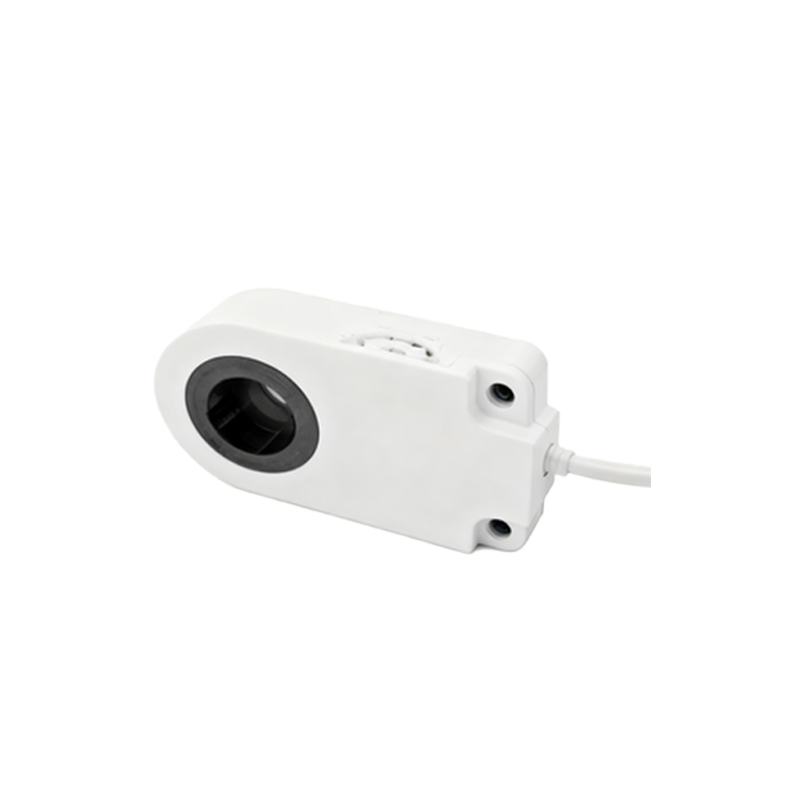
The advantages of semiconductor proximity sensors are manifold. They offer rapid response times, often in microseconds, and high switching frequencies, making them ideal for high-speed production lines. Their solid-state construction ensures durability, with no moving parts to wear out, and they operate effectively in harsh environments involving dust, moisture, or temperature extremes. Additionally, semiconductor integration allows for miniaturization, enabling compact designs that fit into tight spaces. Applications span across industries: in automotive manufacturing, they detect parts on assembly lines; in packaging, they count items or monitor fill levels; in robotics, they provide precise positioning feedback.
Key considerations in selecting a sensor include sensing range, target material, environmental conditions, and output type (e.g., digital or analog). Calibration and installation are critical to avoid interference from external factors like electrical noise or adjacent metal objects. Modern advancements incorporate smart features such as IO-Link communication for real-time diagnostics and parameter adjustments, enhancing Industry 4.0 connectivity.
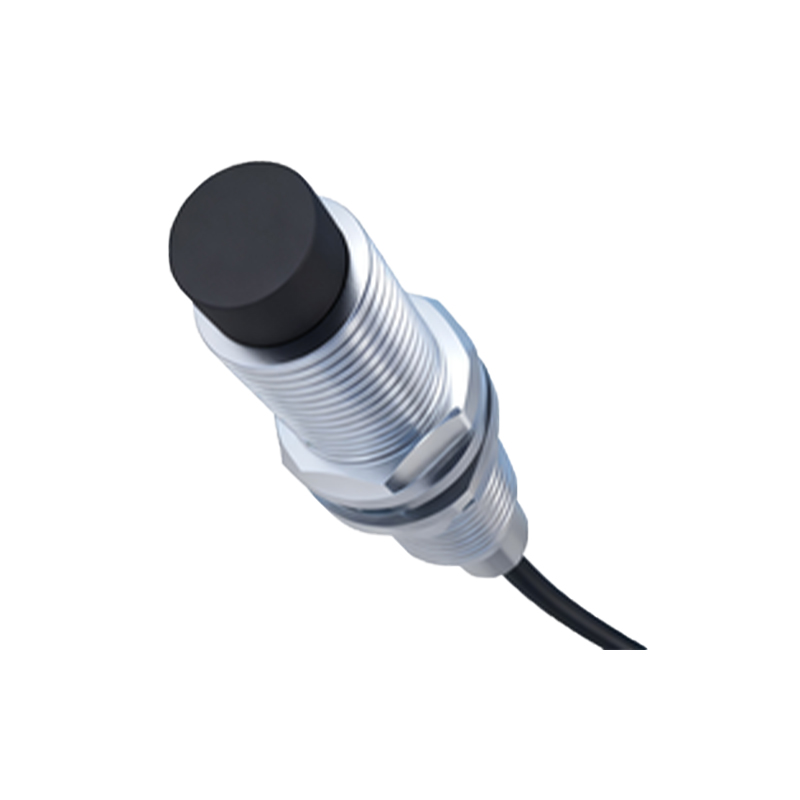
In summary, semiconductor proximity sensors leverage the sensitivity and efficiency of semiconductor materials to deliver robust, contactless sensing solutions. Their evolution continues to drive automation forward, improving safety, efficiency, and accuracy in diverse industrial settings. As technology progresses, we can expect further integration with IoT systems and AI-driven analytics, expanding their role in smart factories.