In the rapidly evolving landscape of industrial automation, the role of green proximity sensor agents has become increasingly pivotal. These specialized distributors and representatives are not merely suppliers; they are strategic partners driving the adoption of environmentally conscious sensing technologies across manufacturing, logistics, and smart infrastructure sectors. Green proximity sensors, designed with energy efficiency, reduced hazardous materials, and extended lifecycle in mind, represent a critical component in achieving sustainable operational goals. Agents specializing in these products offer more than just hardware—they provide comprehensive solutions that align with global sustainability standards such as RoHS (Restriction of Hazardous Substances) and REACH (Registration, Evaluation, Authorization, and Restriction of Chemicals).
A proficient green proximity sensor agent distinguishes itself through deep technical expertise and a curated portfolio of sensors that minimize ecological impact without compromising performance. These sensors typically feature low power consumption, often operating on energy-harvesting principles or utilizing recyclable materials in construction. For instance, agents may promote inductive or capacitive proximity sensors with lead-free components and enhanced durability, reducing waste from frequent replacements. By collaborating with manufacturers committed to green engineering, agents ensure that products meet stringent criteria for emissions, material sourcing, and end-of-life recyclability. This partnership model enables industries to seamlessly integrate sensors that contribute to lower carbon footprints and compliance with environmental regulations.
The value proposition of a dedicated agent extends beyond product selection. They offer vital services such as lifecycle assessments, custom calibration for optimal energy use, and support in obtaining sustainability certifications. In sectors like automotive assembly or renewable energy systems, where precision and reliability are paramount, green proximity sensors deployed by knowledgeable agents enhance efficiency while supporting corporate social responsibility (CSR) initiatives. Agents also facilitate training on sensor integration, helping clients implement smart networks that monitor and reduce energy usage in real-time. This holistic approach not only boosts operational performance but also positions companies as leaders in eco-friendly innovation.
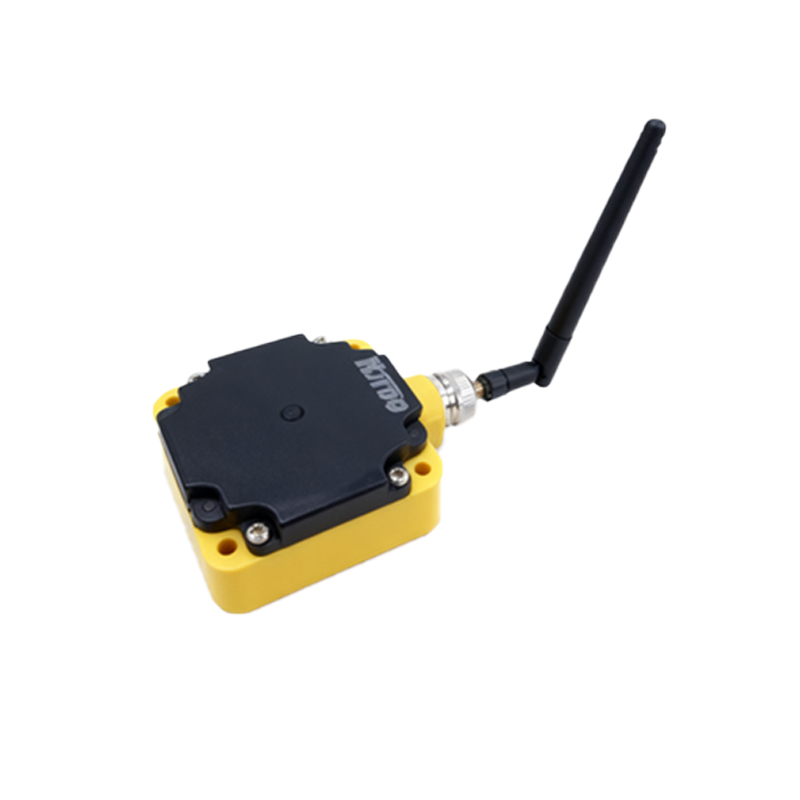
Market trends indicate a growing demand for agents who can navigate the complexities of green technology. With advancements in IoT (Internet of Things) and Industry 4.0, sensors are increasingly interconnected, requiring agents to provide solutions that encompass data analytics for sustainability metrics. For example, agents might supply sensors equipped with diagnostics that predict maintenance needs, preventing downtime and conserving resources. The competitive edge lies in an agent’s ability to source sensors from producers who prioritize circular economy principles—designing products for disassembly and material recovery. As regulations tighten and consumer preferences shift toward sustainable practices, the expertise of these agents becomes indispensable for businesses aiming to future-proof their operations.
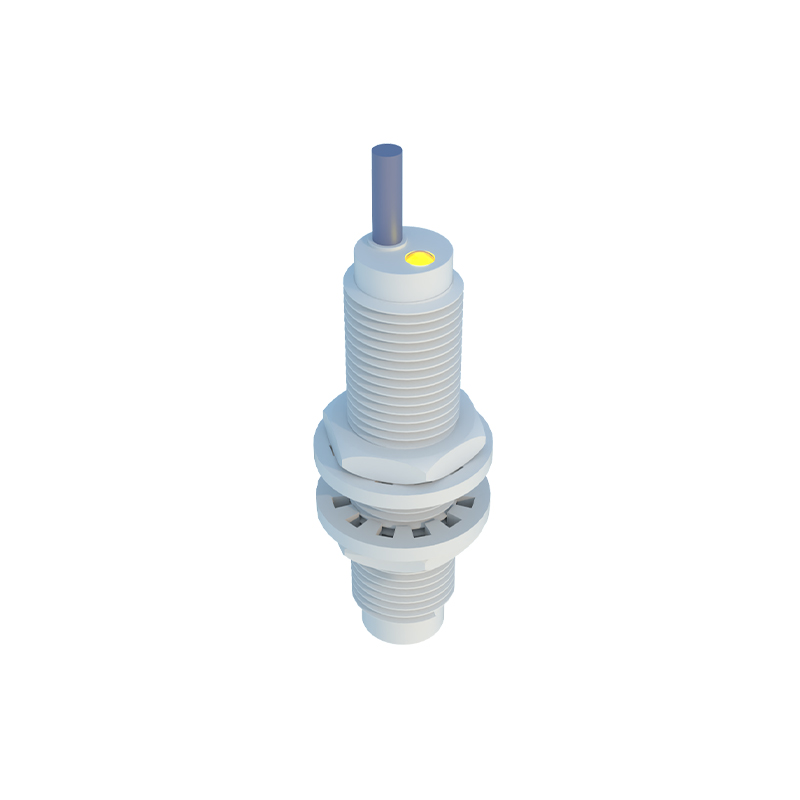
In conclusion, green proximity sensor agents are catalysts for transformative change in industrial automation. By bridging the gap between innovative green technology and practical application, they empower industries to achieve both economic and environmental objectives. Their role in curating high-performance, eco-sensitive sensor solutions underscores a commitment to a sustainable industrial future, where efficiency and ecology converge seamlessly. Companies seeking to enhance their automation systems would benefit from partnering with agents who not only understand technical specifications but also champion the principles of environmental stewardship.