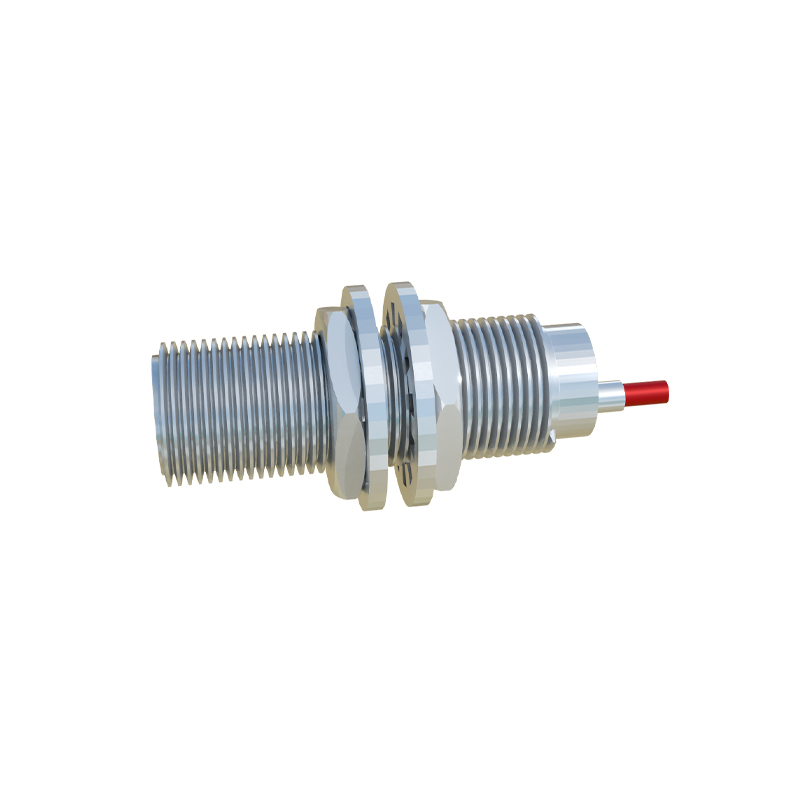
In modern industrial automation, proximity sensors serve as critical components for non-contact detection, enabling precise control and monitoring across diverse applications. These sensors detect the presence or absence of objects without physical contact, utilizing technologies such as inductive, capacitive, ultrasonic, and photoelectric principles. Support for proximity sensors extends beyond mere installation—it encompasses proper selection, integration, maintenance, and troubleshooting to ensure system reliability and efficiency.
Selecting the right proximity sensor requires a thorough understanding of the operating environment. Inductive sensors are ideal for detecting metallic objects in harsh conditions, while capacitive sensors can identify non-metallic materials like plastics or liquids. Ultrasonic sensors offer long-range detection capabilities, and photoelectric sensors provide high accuracy for clean environments. Each type demands specific support in terms of voltage requirements, output configurations (e.g., NPN or PNP), and environmental protections like IP ratings.
Integration into control systems is a key aspect of support. Proximity sensors must interface seamlessly with PLCs (Programmable Logic Controllers), HMIs (Human-Machine Interfaces), and industrial networks such as PROFINET, EtherNet/IP, or IO-Link. Proper wiring and shielding are essential to prevent electromagnetic interference, which can cause false triggers or signal loss. Support documentation, including datasheets and wiring diagrams, plays a vital role in guiding technicians during installation. Additionally, software tools for configuration and diagnostics help optimize sensor performance, allowing for adjustments in sensitivity, response time, and output delays.
Maintenance and troubleshooting form the backbone of long-term support. Regular calibration and inspection ensure sensors operate within specified tolerances. Common issues include contamination from dust or oil, mechanical misalignment, and electrical faults. Support teams should provide clear protocols for cleaning, realignment, and component replacement. Advanced diagnostic features, such as LED indicators or digital status outputs, aid in rapid fault identification, minimizing downtime in production lines.
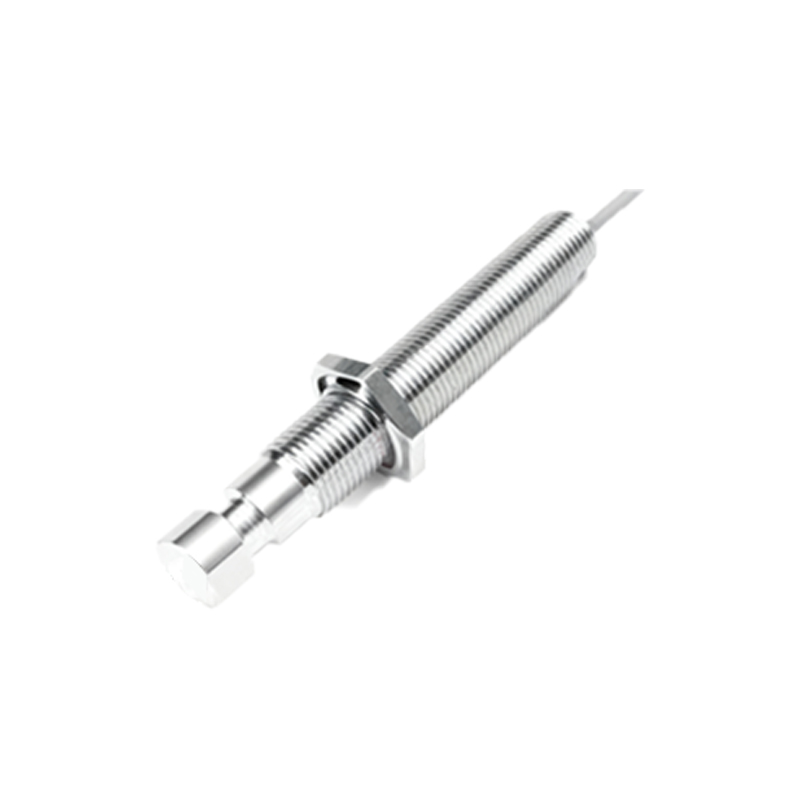
Training and technical resources are indispensable for effective support. Engineers and maintenance personnel need ongoing education on emerging sensor technologies and integration methods. Manufacturers often offer webinars, manuals, and online portals with FAQs and troubleshooting guides. Collaborative support between suppliers and end-users fosters innovation, enabling customization for specialized applications like robotics, packaging, or automotive assembly.
In summary, comprehensive support for proximity sensors involves a holistic approach—from initial selection and integration to maintenance and continuous learning. By prioritizing robust support frameworks, industries can enhance operational safety, reduce costs, and boost productivity. As automation evolves, the role of proximity sensors will expand, necessitating even more sophisticated support strategies to meet future challenges.