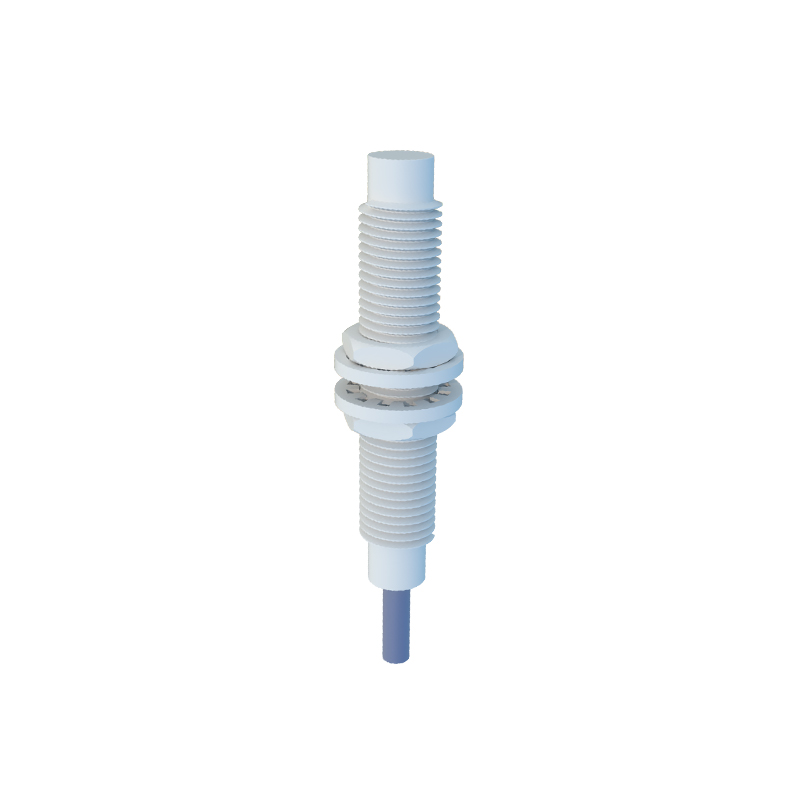
Metal proximity sensors are essential components in modern industrial automation, offering reliable non-contact detection of metallic objects. These sensors operate based on electromagnetic principles, typically utilizing inductive technology to sense the presence of ferrous and non-ferrous metals without physical contact. One of the primary characteristics is their high durability and resistance to harsh environments. Designed with robust housings, often made from materials like stainless steel or nickel-plated brass, they can withstand extreme temperatures, moisture, dust, and mechanical stress, making them ideal for use in manufacturing, automotive, and packaging industries.
Another key feature is their fast response time and high switching frequency. Metal proximity sensors can detect objects at speeds exceeding several thousand operations per minute, ensuring precision in high-speed production lines. This rapid detection capability minimizes downtime and enhances operational efficiency. Additionally, these sensors exhibit excellent repeat accuracy, meaning they consistently detect objects at the same distance under identical conditions, which is crucial for maintaining quality control in automated processes.
The sensing range of metal proximity sensors varies depending on the model and target material. Standard models typically offer ranges from a few millimeters to several centimeters. Some advanced versions incorporate factor correction adjustments to account for different metal types, such as steel, aluminum, or copper, optimizing performance across diverse applications. Furthermore, many sensors feature built-in diagnostics, like LED indicators or output status signals, allowing for easy monitoring and troubleshooting without interrupting workflow.
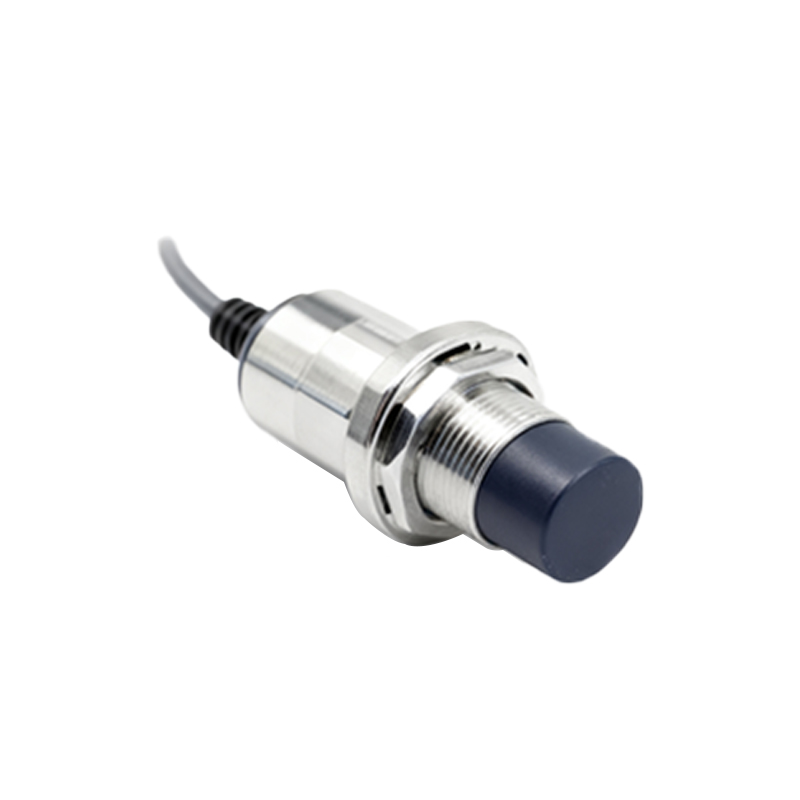
Energy efficiency is another notable aspect. Modern metal proximity sensors are designed with low power consumption, often complying with international energy standards. This not only reduces operational costs but also supports sustainable practices in industrial settings. They are available in various output configurations, including NPN, PNP, analog, and IO-Link, providing flexibility for integration into different control systems. The IO-Link variants enable smart communication, allowing for real-time data exchange and parameter adjustments, which aligns with Industry 4.0 trends.
In terms of installation and maintenance, these sensors are user-friendly. Their compact sizes and standardized mounting options, such as threaded barrels or rectangular housings, facilitate easy integration into existing machinery. Many are also shielded or non-shielded; shielded types can be flush-mounted in metal without interference, while non-shielded versions offer extended sensing ranges. Regular maintenance is minimal due to their non-contact nature, reducing wear and tear compared to mechanical switches.
Safety features are integral to metal proximity sensors. They often include short-circuit protection, overload resistance, and reverse polarity safeguards, preventing damage from electrical faults. In hazardous areas, explosion-proof models are available to ensure compliance with safety regulations. Overall, the combination of reliability, speed, adaptability, and durability makes metal proximity sensors indispensable in automation, contributing to enhanced productivity and reduced operational risks. As technology evolves, innovations like enhanced noise immunity and wireless capabilities continue to expand their applications, solidifying their role in industrial advancements.