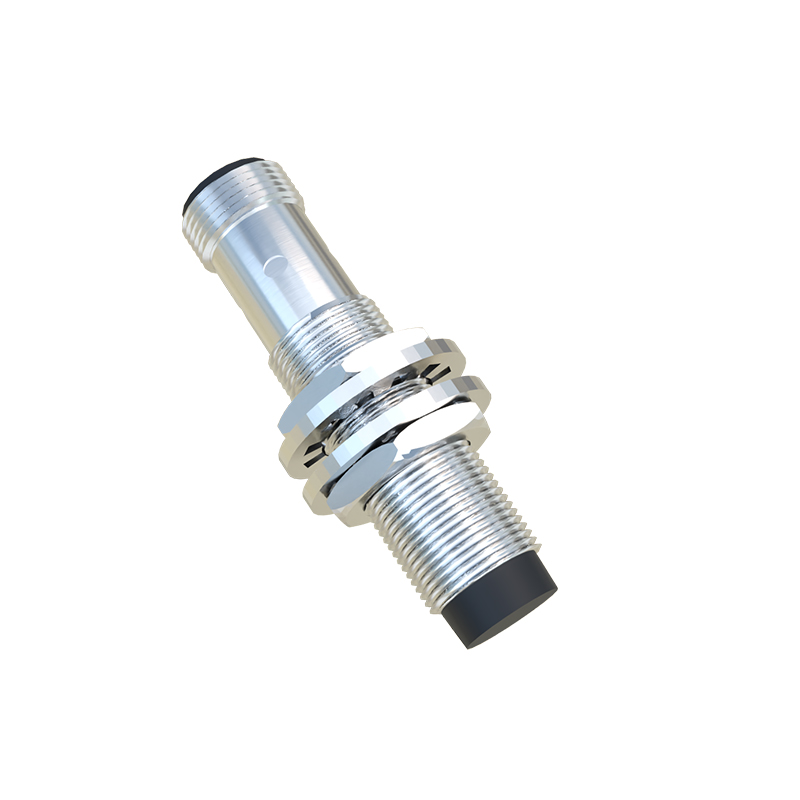
Eddy current proximity sensors represent a cornerstone technology in modern industrial automation, offering non-contact, high-precision detection of metallic objects. Unlike optical or capacitive sensors, they operate on the principle of electromagnetic induction, making them exceptionally reliable in harsh environments contaminated with oil, dust, or coolant fluids. This article delves into the operational principles, key advantages, diverse applications, and critical factors for selecting the right sensor for specific industrial tasks.
The fundamental working principle is elegantly straightforward. The sensor's active face contains a coil energized by a high-frequency alternating current. This current generates an alternating magnetic field that extends from the sensor face. When a conductive (typically metallic) target enters this field, circular electrical currents, known as eddy currents, are induced on the target's surface. These eddy currents, in turn, generate their own magnetic field, which opposes the original field from the sensor coil. This interaction alters the impedance of the sensor's coil. The integrated oscillator-driver circuit detects this change in impedance and triggers a switching output—typically a solid-state NPN or PNP transistor—when the target reaches a preset distance, known as the nominal sensing distance (Sn).
This core principle confers several distinct advantages. First and foremost is their exceptional robustness. Being immune to non-conductive contaminants like dirt, chips, and liquids, they are ideal for machine tools, welding systems, and foundries. They offer very high switching frequencies, often up to 10 kHz or more, enabling precise detection of small, fast-moving parts. Furthermore, they are largely unaffected by the target's surface color, transparency, or reflectivity, focusing solely on its electrical conductivity and mass. Another significant benefit is their ability to detect through non-metallic materials. A thin layer of plastic, paint, or even a non-ferrous metal container wall does not impede the magnetic field, allowing for concealed installation or detection of contents within non-metallic enclosures.
Applications for eddy current sensors are vast and varied across industry sectors. In metalworking and CNC machining, they are indispensable for precise tool wear monitoring, tool breakage detection, and part presence verification. In automotive assembly lines, they ensure correct positioning of engine blocks, detect piston presence, and control robotic welding arms. The packaging industry utilizes them for counting metallic lids or detecting fill levels in aluminum cans. They are also critical in vibration monitoring systems for rotating machinery like turbines and pumps, where they measure minute changes in the gap between the sensor tip and a shaft to detect imbalance or bearing wear.
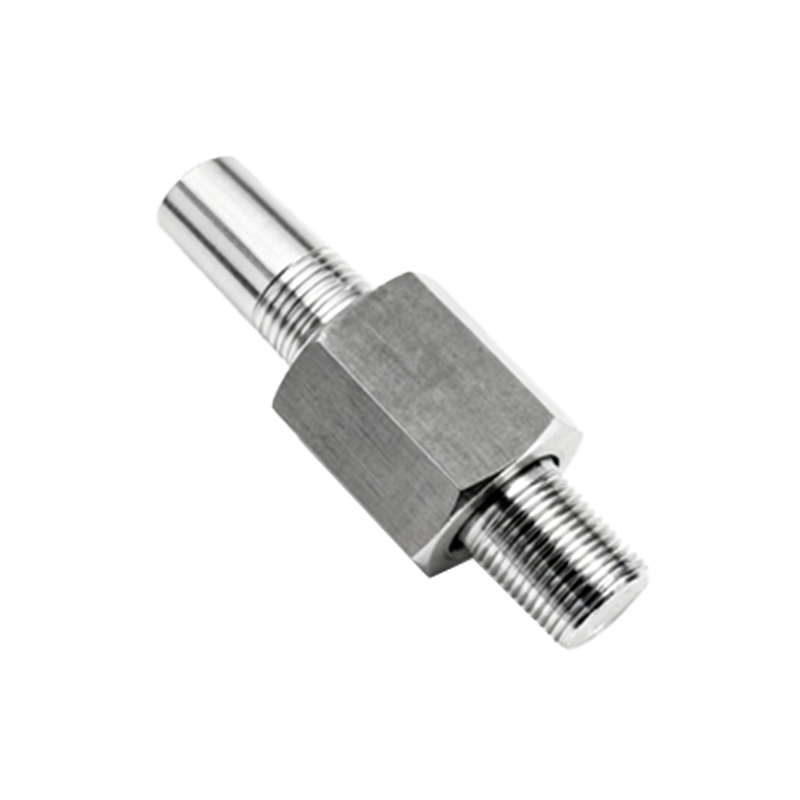
Selecting the appropriate eddy current sensor requires careful consideration of several parameters. The most critical is the target material. Standard sensors are calibrated for mild steel. For other metals like aluminum, copper, or stainless steel, the effective sensing distance is reduced, and a correction factor (provided in datasheets) must be applied. The target size and shape must meet minimum requirements; typically, the target should be at least equivalent to the sensor's sensing face diameter for the rated sensing distance. The sensing distance itself must be chosen with a safety margin, typically 70-80% of the nominal Sn, to account for temperature drift and electrical tolerances. Output configuration (NPN sinking, PNP sourcing, analog 4-20mA, or IO-Link), housing style (threaded cylindrical, rectangular, or ring-shaped), and environmental ratings (IP67, IP69K for washdown) are other vital selection criteria. For demanding applications involving different alloy types or temperature extremes, factor-1 sensors with temperature compensation and material-independent switching points are recommended.
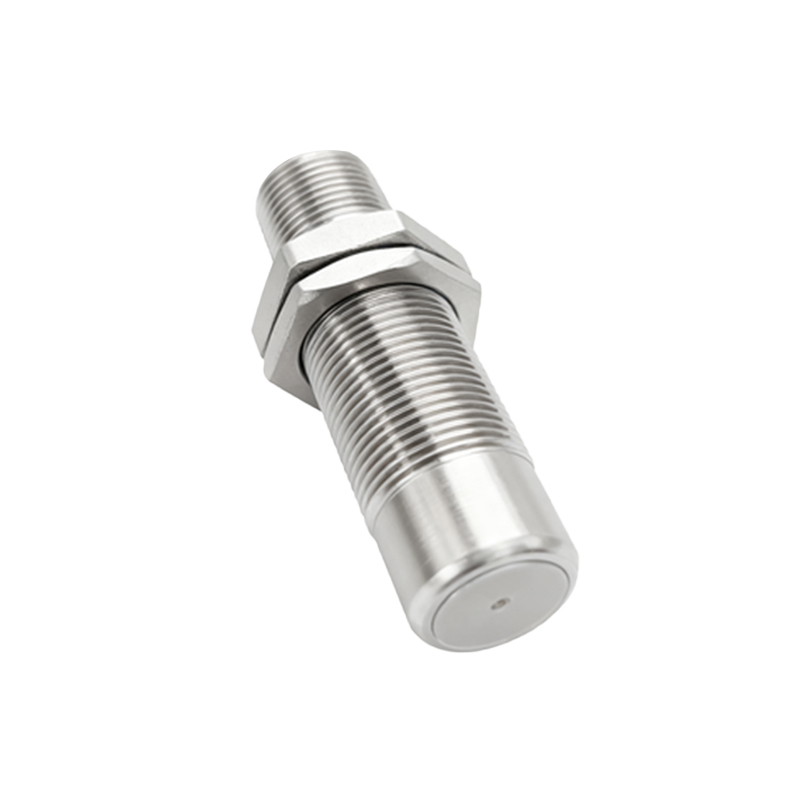
In conclusion, eddy current proximity sensors provide a unique and vital sensing solution where reliability, speed, and environmental immunity are paramount. Their non-contact nature ensures long operational life without mechanical wear. By understanding their electromagnetic operating principle and meticulously matching sensor specifications to the application's material, dimensional, and environmental demands, engineers can leverage this robust technology to enhance automation system accuracy, safety, and productivity. As Industry 4.0 advances, the integration of smart eddy current sensors with digital interfaces like IO-Link will further expand their diagnostic and data-reporting capabilities, solidifying their role in the connected factory of the future.