In the rapidly evolving landscape of industrial automation, intelligent proximity sensors have become indispensable components, offering unparalleled precision, reliability, and adaptability. Customizing these sensors to meet specific operational requirements is not merely an option but a necessity for optimizing performance in diverse applications. This article delves into the essential standards and considerations for tailoring intelligent proximity sensors, ensuring seamless integration and enhanced efficiency in modern industrial environments.
The foundation of any successful customization project lies in a thorough understanding of the application's unique demands. Factors such as the sensing range, environmental conditions (including temperature extremes, humidity, and exposure to chemicals), and the physical properties of target objects (like material composition, size, and shape) must be meticulously evaluated. For instance, in automotive manufacturing, sensors may need to detect metallic components through oily surfaces, requiring specialized housing materials and sensing technologies. Similarly, in food processing, sensors must comply with stringent hygiene standards, often necessitating stainless steel enclosures and washdown capabilities.
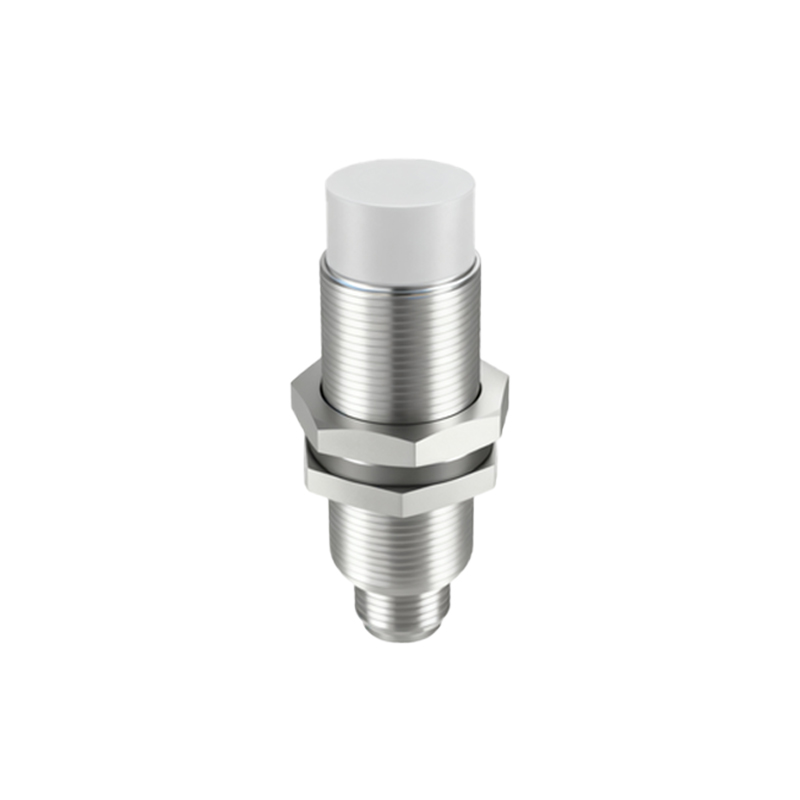
Technological advancements have significantly expanded the customization possibilities for intelligent proximity sensors. Modern sensors incorporate features such as IO-Link communication, which enables real-time data exchange and remote parameter adjustment, thereby facilitating predictive maintenance and reducing downtime. Additionally, the integration of artificial intelligence and machine learning algorithms allows sensors to adapt to changing conditions, improving accuracy over time. When customizing sensors, it is crucial to select the appropriate sensing technology—whether inductive, capacitive, ultrasonic, or photoelectric—based on the specific detection requirements. Each technology offers distinct advantages; for example, inductive sensors excel in detecting metallic objects, while capacitive sensors are ideal for non-metallic materials.
Interoperability and compliance with industry standards are paramount in sensor customization. Adherence to international standards, such as IEC 60947-5-2 for proximity sensors, ensures safety, reliability, and compatibility with other industrial equipment. Moreover, certifications like ATEX for explosive atmospheres or IP ratings for ingress protection must be considered based on the operational environment. Customized sensors should also align with Industry 4.0 frameworks, supporting connectivity protocols like PROFINET, EtherNet/IP, or Modbus TCP to enable seamless integration into smart factory ecosystems.
The customization process typically involves close collaboration between the client and the sensor manufacturer. Detailed specifications, including electrical characteristics (e.g., output type, voltage range), mechanical design (e.g., housing shape, mounting options), and environmental resilience, should be clearly defined. Prototyping and rigorous testing under simulated real-world conditions are essential steps to validate performance before full-scale deployment. Furthermore, scalability and future-proofing should be considered; customizable firmware and modular designs allow for easy upgrades as technological needs evolve.
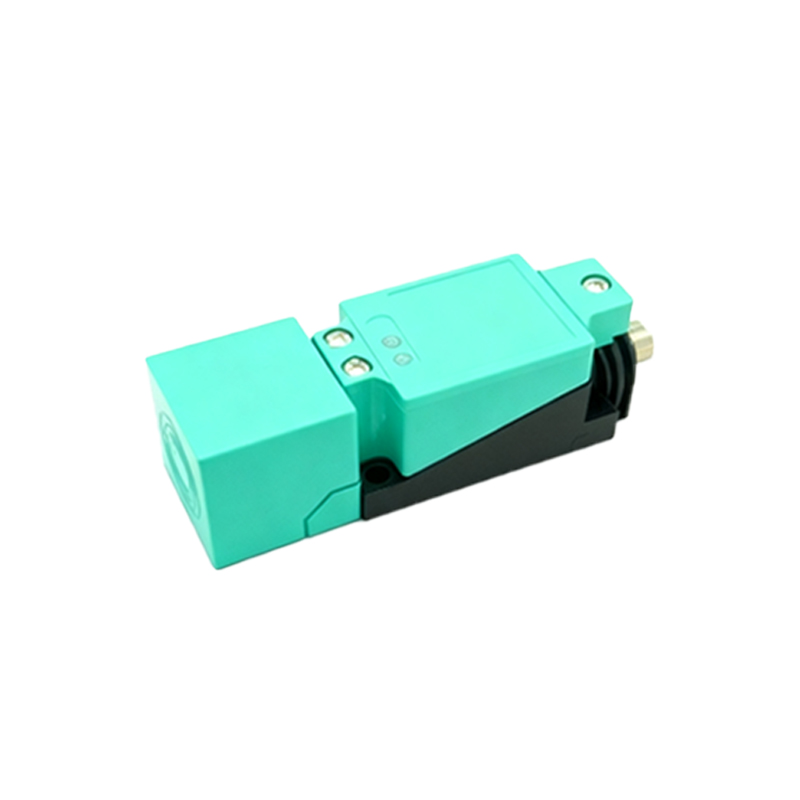
In conclusion, the customization of intelligent proximity sensors is a strategic endeavor that demands a holistic approach, blending technical expertise with practical insights. By adhering to established standards, leveraging cutting-edge technologies, and fostering collaborative partnerships, industries can harness the full potential of these sensors to drive innovation, enhance operational efficiency, and maintain a competitive edge in the global market. As automation continues to advance, the role of tailored sensor solutions will only grow in significance, paving the way for smarter, more responsive industrial systems.