Proximity switch sensors are indispensable components in modern industrial automation, offering non-contact detection of metallic and non-metallic objects. These sensors enhance operational efficiency, reduce mechanical wear, and ensure safety in diverse environments. This guide explores key proximity sensor models, their working principles, selection criteria, and applications.
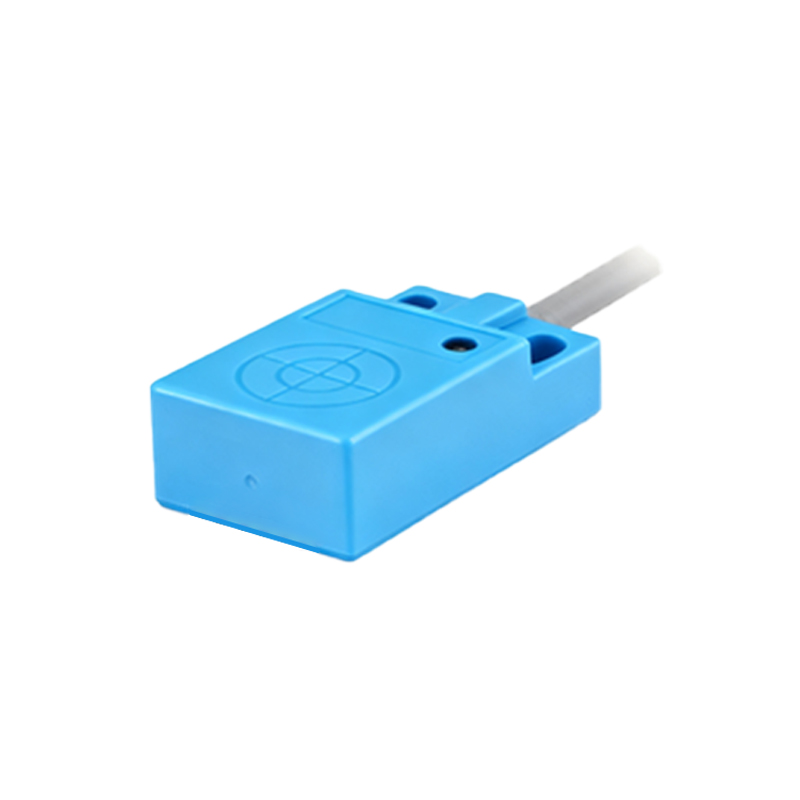
Inductive proximity sensors are widely used for detecting metallic objects. They generate an electromagnetic field and detect changes caused by metallic targets. Common models include cylindrical designs (e.g., M8, M12, M18, M30) and rectangular variants. Key features include sensing ranges from 1mm to 60mm, robust housing (often stainless steel or nickel-plated brass), and output configurations like NPN, PNP, or analog. For instance, the M18 model typically offers a 5-8mm range, suitable for conveyor systems or robotic arms.
Capacitive proximity sensors detect both metallic and non-metallic materials, such as plastics, liquids, or wood. They operate by measuring capacitance changes in their electrostatic field. Models like the CQ series provide sensing distances up to 25mm and are ideal for level detection in tanks or packaging lines. These sensors often include sensitivity adjustments to handle varying material properties.
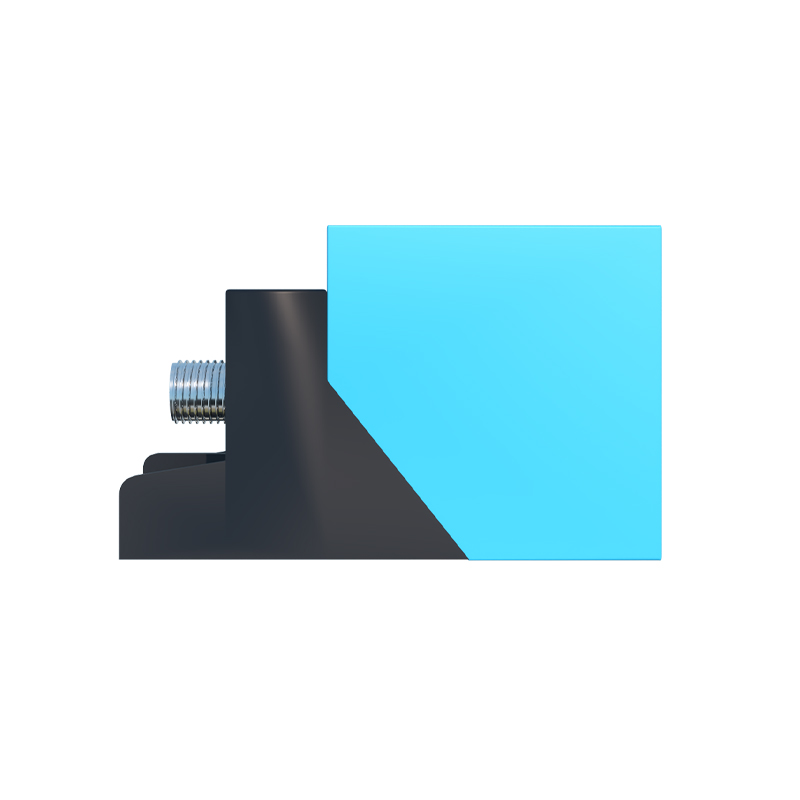
Magnetic proximity sensors, or reed switches, are designed for detecting magnetic fields, commonly used with permanent magnets. They are compact, energy-efficient, and excel in harsh conditions like high temperatures or vibrations. Tubular models (e.g., 5mm diameter) are popular in automotive and safety systems.
Ultrasonic proximity sensors use sound waves to detect objects, regardless of material composition. They offer longer ranges (up to 6 meters) and are used in distance measurement or obstacle detection. Models like the UC series provide analog outputs and adjustable sensing parameters, making them versatile for complex applications.
When selecting a proximity sensor, consider factors such as target material, sensing distance, environmental conditions (e.g., temperature, humidity), and electrical requirements. Industry standards like IP67 or IP68 ratings ensure durability against dust and water ingress. For example, in food processing, sensors with hygienic designs and FDA-compliant materials are preferred.

Applications span manufacturing, automotive, aerospace, and logistics. Inductive sensors monitor machine tool positions, capacitive sensors control liquid levels, and ultrasonic sensors manage warehouse automation. Regular maintenance, including cleaning and calibration, prolongs sensor lifespan.
In summary, proximity switch sensors are critical for automation precision. Understanding model specifications enables optimal integration, boosting productivity and reliability in industrial setups.