Proximity photoelectric sensors are essential components in modern industrial automation, offering non-contact detection of objects through the use of light beams. These sensors operate by emitting a light source—typically infrared, visible red, or laser—and detecting changes in the received light to determine the presence, absence, or distance of a target. Their applications span across manufacturing, packaging, material handling, and safety systems, providing reliable and precise sensing in diverse environments. This article outlines the fundamental principles, selection criteria, installation guidelines, and best practices for using proximity photoelectric sensors effectively.
First, understanding the basic working modes is crucial. Proximity photoelectric sensors generally come in three types: through-beam, retro-reflective, and diffuse reflective. Through-beam sensors consist of separate emitter and receiver units; an object is detected when it interrupts the light beam between them, making this mode suitable for long-range detection and harsh conditions. Retro-reflective sensors use a single unit that emits light toward a reflector, with detection occurring when an object blocks the reflected beam; they are ideal for medium-range applications where alignment is simpler. Diffuse reflective sensors rely on light bouncing off the target itself, allowing for compact designs but with shorter sensing distances and potential sensitivity to object color or surface texture. Choosing the right mode depends on factors like detection range, environmental interference, and target characteristics.
When selecting a sensor, consider key parameters such as sensing distance, response time, light source type, and environmental ratings. Sensing distance should account for the operational range needed, with a safety margin to accommodate variations. Response time must align with the speed of the application—for instance, high-speed production lines require sensors with fast switching capabilities. Infrared light sources are common for their immunity to ambient light, while laser sensors offer precision for small or distant targets. Additionally, check ingress protection (IP) ratings for dust and water resistance, especially in washdown or outdoor settings, and ensure compatibility with electrical specifications like voltage supply and output type (e.g., NPN, PNP, or analog).
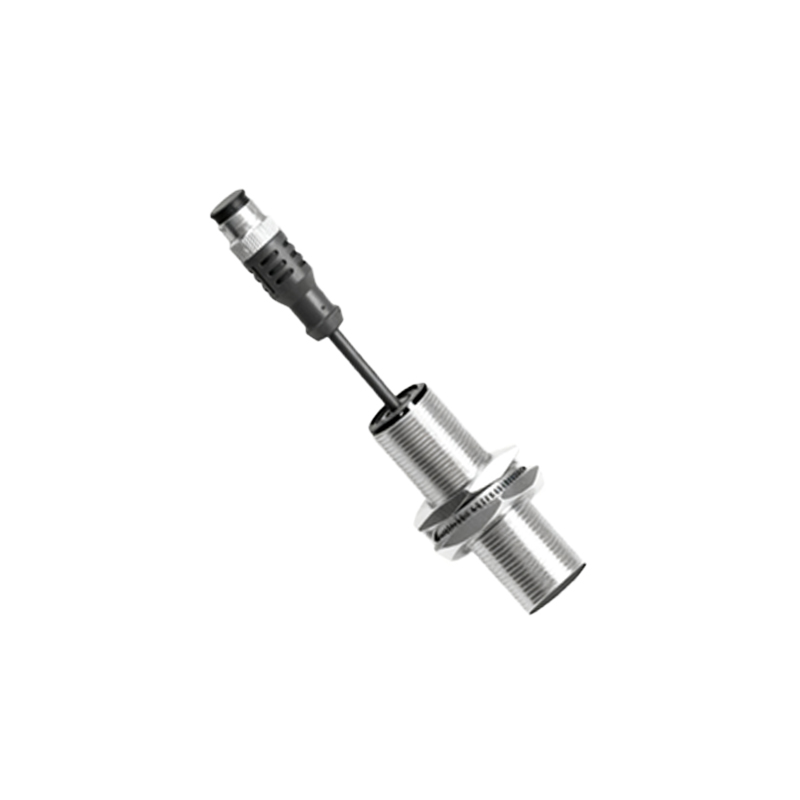
Installation and alignment are critical for optimal performance. Mount the sensor securely to minimize vibration or misalignment, using brackets or adjustable mounts as needed. For through-beam sensors, ensure the emitter and receiver are precisely aligned; a misalignment can cause false triggers or reduced sensitivity. Retro-reflective sensors require clean reflectors free of obstructions, while diffuse sensors should be positioned at an appropriate angle to avoid background interference. Always follow manufacturer guidelines for wiring, connecting power, load, and signal lines correctly to prevent damage. Testing with actual targets under operating conditions helps verify detection consistency and adjust sensitivity settings if available.
Maintenance and troubleshooting ensure long-term reliability. Regularly clean lenses and reflectors to prevent buildup of dirt or debris that can attenuate light signals. Monitor for environmental changes, such as temperature fluctuations or new light sources, which may affect sensor operation. Common issues include false triggers from reflective surfaces or inadequate sensing due to target color; using sensors with background suppression or adjustable sensitivity can mitigate these problems. In case of failures, check connections, power supply, and alignment first, and consult technical manuals for error codes or diagnostic features.
In summary, proximity photoelectric sensors enhance automation efficiency by providing accurate, non-contact detection. By selecting the appropriate type, configuring settings carefully, and maintaining them proactively, engineers can integrate these sensors seamlessly into industrial systems. Their versatility makes them invaluable for tasks like object counting, position verification, and safety monitoring, contributing to smarter and safer operations. As technology advances, features like IO-Link connectivity and enhanced durability continue to expand their applications, solidifying their role in the future of industrial sensing.