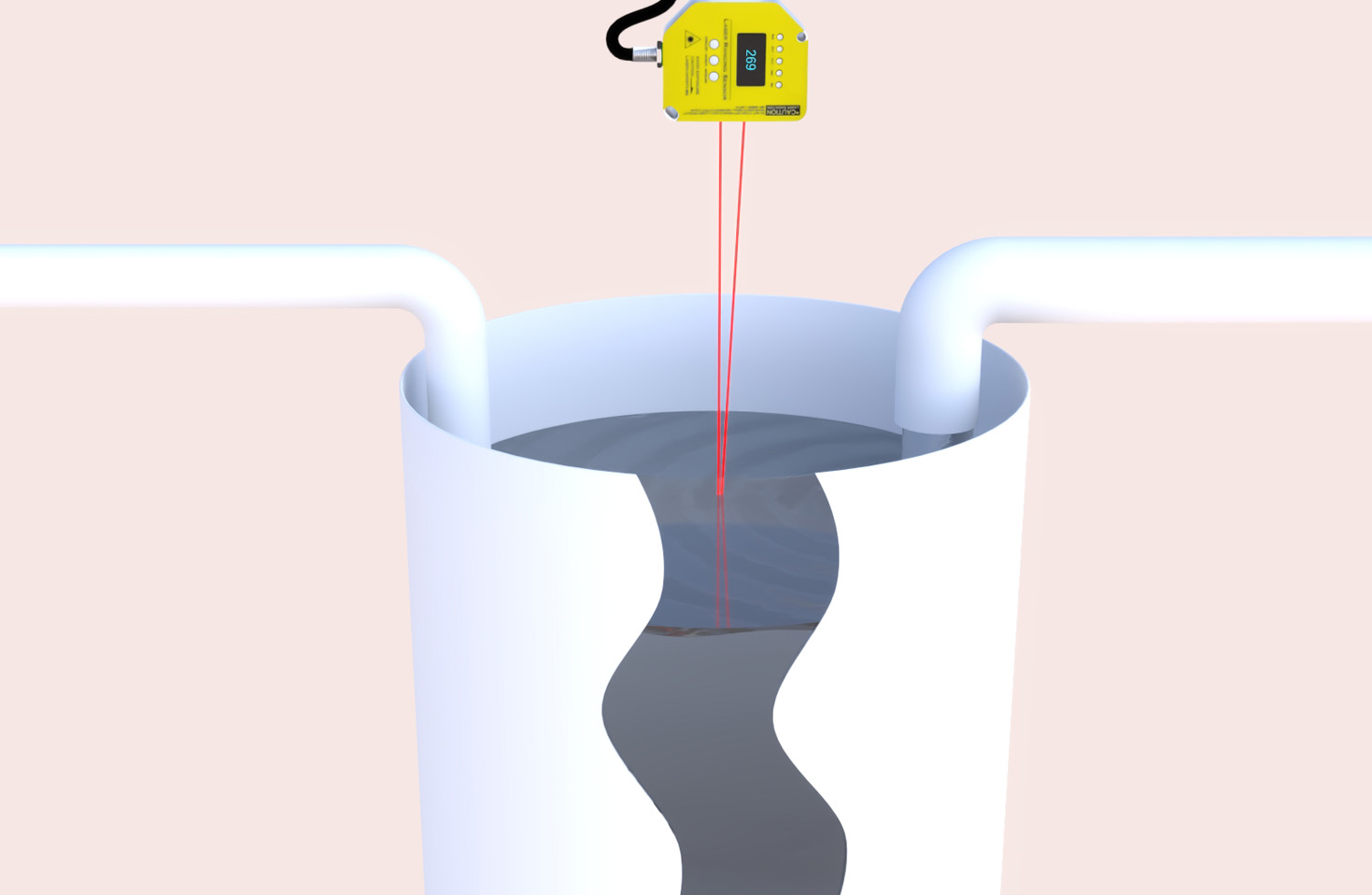
In the rapidly evolving landscape of industrial automation and precision measurement, full laser sensors have emerged as a pivotal technology, offering unparalleled accuracy, reliability, and versatility. These sensors utilize laser beams to detect, measure, and monitor various parameters, making them indispensable in sectors such as manufacturing, robotics, automotive, and aerospace. Unlike traditional sensing methods that may rely on mechanical contact or less precise optical systems, full laser sensors operate entirely through non-contact means, minimizing wear and tear while enhancing performance in demanding environments.
One of the primary advantages of full laser sensors is their exceptional precision. By emitting focused laser light and analyzing reflections, these sensors can achieve micrometer-level accuracy in distance, displacement, and thickness measurements. This high resolution is critical for applications like quality control in semiconductor fabrication, where even minor deviations can lead to product failures. Additionally, full laser sensors provide fast response times, often in the microsecond range, enabling real-time monitoring and adjustments in dynamic processes such as assembly line automation or robotic guidance systems.
Another significant benefit is the robustness of full laser sensors in harsh conditions. Designed to withstand extreme temperatures, vibrations, dust, and moisture, they maintain consistent performance where other sensors might falter. For instance, in automotive manufacturing, full laser sensors are used to inspect weld seams and paint coatings without being affected by factory-floor contaminants. Their non-contact nature also eliminates the risk of damage to sensitive surfaces, making them ideal for delicate materials like electronics or medical devices.
Versatility further sets full laser sensors apart. They can be configured for diverse tasks, including edge detection, profile scanning, and 3D imaging, by adjusting parameters like beam intensity and scanning frequency. In logistics, these sensors facilitate automated sorting by accurately identifying package dimensions, while in agriculture, they assist in crop monitoring through topographic mapping. The integration of advanced software algorithms allows for data analysis and predictive maintenance, reducing downtime and operational costs.
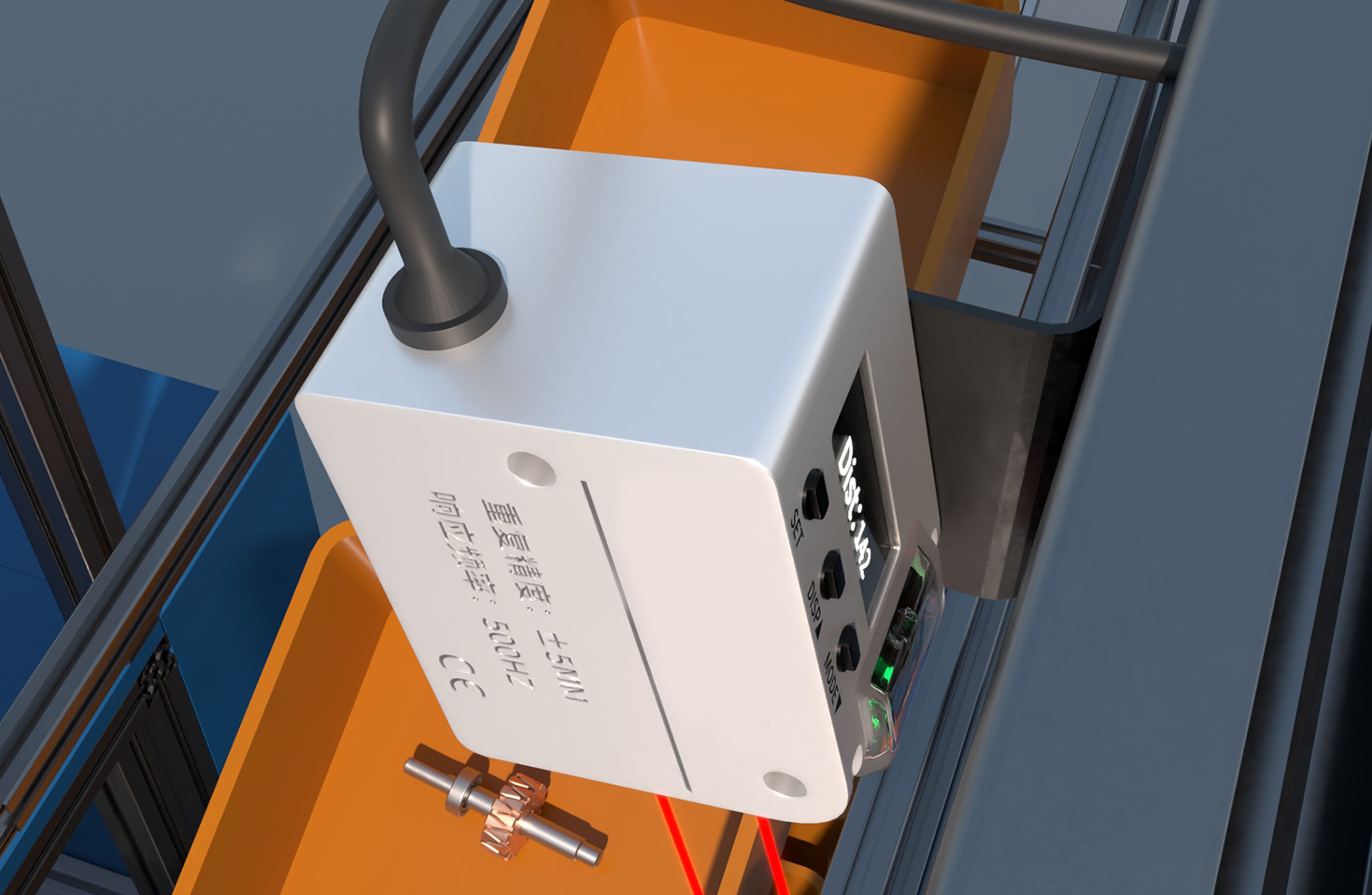
Energy efficiency and low maintenance requirements add to the appeal of full laser sensors. With minimal moving parts and long-lasting laser diodes, they offer a sustainable solution that aligns with modern industrial goals of reducing energy consumption and waste. Moreover, their compatibility with IoT (Internet of Things) platforms enables seamless connectivity in smart factories, where sensor data can be aggregated for comprehensive system optimization.

Despite their higher initial cost compared to conventional sensors, the long-term return on investment is substantial due to improved productivity, reduced error rates, and enhanced safety. As industries continue to embrace digital transformation, full laser sensors are poised to play a central role in driving innovation, from autonomous vehicles relying on LiDAR technology to precision medicine utilizing laser-based diagnostics. In summary, the advantages of full laser sensors—precision, durability, adaptability, and efficiency—make them a cornerstone of advanced industrial applications, paving the way for smarter, more responsive technological ecosystems.