In the realm of industrial automation, precision, reliability, and durability are non-negotiable. Among the myriad of components that form the backbone of modern control systems, proximity sensors hold a critical position. The M200 series of inductive proximity sensors stands out as a particularly robust and versatile solution, engineered to meet the demanding requirements of diverse industrial environments. This article delves into the technical specifications, operational principles, and key application areas of the M200 proximity sensor, providing a comprehensive overview for engineers and system integrators.
At its core, the M200 is an inductive proximity sensor. It operates on the principle of electromagnetic induction. The sensor generates a high-frequency oscillating electromagnetic field from its active face. When a metallic target (ferrous or non-ferrous, depending on the sensor variant) enters this field, eddy currents are induced on the target's surface. This causes a change in the oscillation amplitude within the sensor's coil. An internal circuit detects this change and triggers a solid-state switching output, signaling the presence of the object without any physical contact. This non-contact detection is fundamental to its high reliability and long operational life, eliminating mechanical wear and tear associated with limit switches.
The M200 series is renowned for its rugged construction, typically housed in a nickel-plated brass or stainless-steel barrel, ensuring excellent resistance to corrosion, oils, and coolants. Many models boast an IP67 or IP68 ingress protection rating, making them suitable for use in washdown environments or areas with significant dust and moisture. The sensing distance, while dependent on the specific model and target material, is consistently stable, often featuring a built-in LED status indicator for easy diagnostics during installation and operation.
One of the defining technical features of the M200 is its output configuration. It is commonly available in both NPN (sinking) and PNP (sourcing) transistor outputs, as well as NO (Normally Open) and NC (Normally Closed) logic functions. This flexibility allows for seamless integration into a wide array of programmable logic controller (PLC) systems and other control circuitry prevalent in North American, European, and Asian markets. The sensors are designed for a wide operating voltage range, typically from 10-30V DC, ensuring compatibility with standard industrial power supplies.
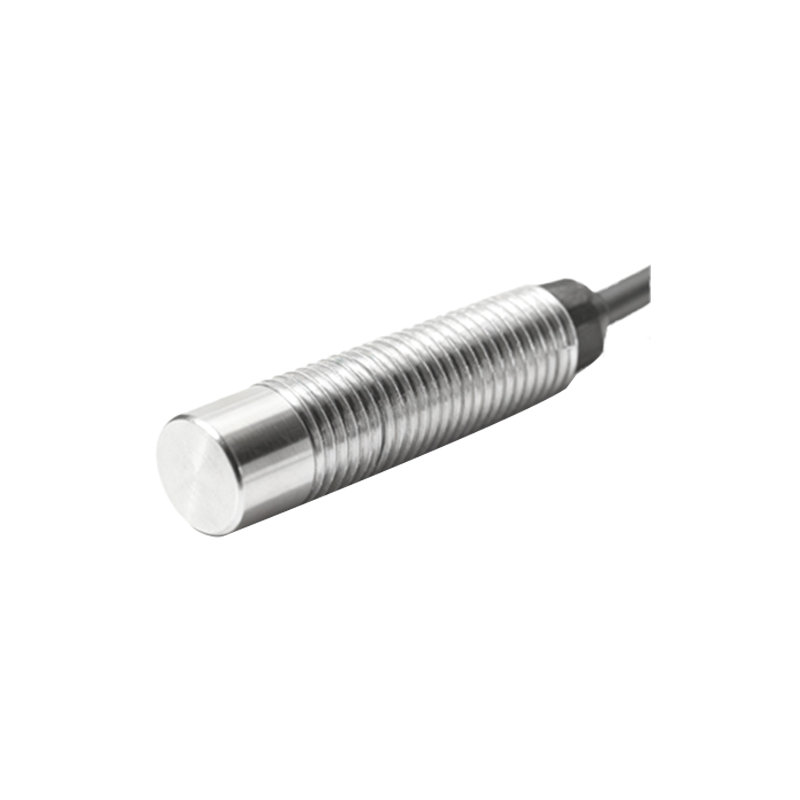
Furthermore, the M200 series often includes variants with different sensing ranges, from standard to extended, and specialized types for specific applications. For instance, weld-field immune models are available to function reliably in the intense magnetic fields generated by resistance welding equipment. All-metal sensing variants can detect all types of metals at the same nominal range, simplifying part detection where material composition varies.
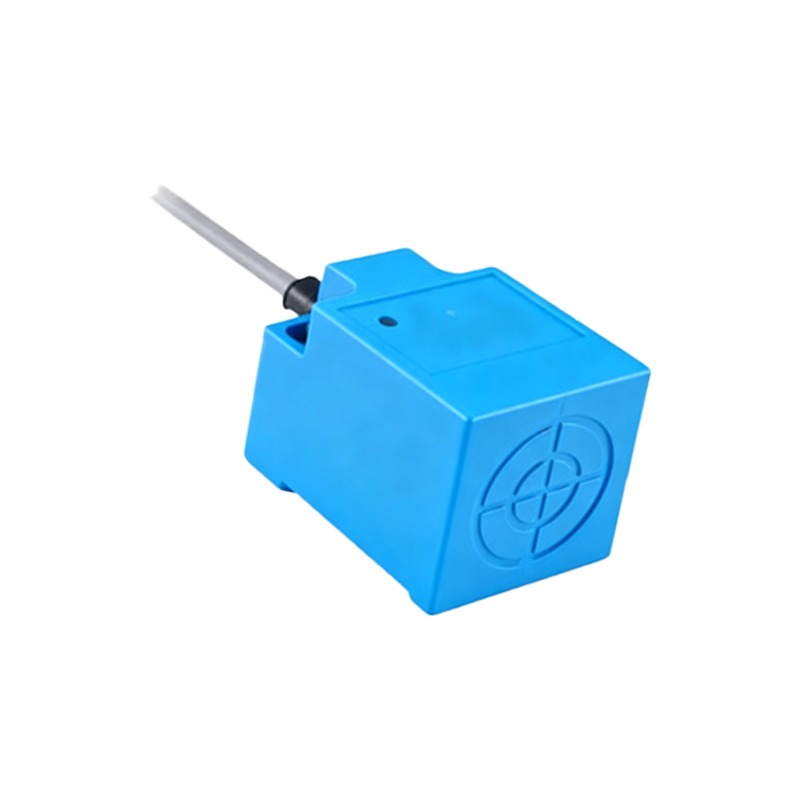
The application spectrum for the M200 proximity sensor is vast. In automotive manufacturing, they are indispensable for part presence verification on assembly lines, robotic arm end-of-travel detection, and pallet positioning. In material handling and packaging machinery, they are used for counting products, monitoring conveyor belt jams, and detecting the position of actuators and cylinders. In metalworking and machining centers, these sensors provide precise tool breakage detection, spindle orientation, and workpiece positioning. Their robustness also makes them ideal for harsh environments like forestry, agriculture, and heavy machinery, where they monitor rotational speed, detect bucket position, or control hydraulic functions.
When selecting and installing an M200 sensor, several best practices should be observed. Ensure the target material and size are appropriate for the sensor's specifications. Maintain the recommended mounting distance between sensors to prevent mutual interference. For flush-mounted cylindrical models, be aware that they can only detect ferrous metals at their rated sensing distance, while non-flush models offer a longer range for both ferrous and non-ferrous targets. Always refer to the manufacturer's datasheet for precise electrical connections, temperature ratings, and environmental limitations.
In conclusion, the M200 proximity sensor exemplifies the engineering excellence required for modern industrial automation. Its combination of non-contact sensing, environmental resilience, electrical flexibility, and application versatility makes it a cornerstone component for machine builders and plant maintenance teams worldwide. By understanding its capabilities and proper implementation guidelines, engineers can significantly enhance system reliability, reduce downtime, and optimize automated processes. As industries continue to evolve towards smarter, more connected systems, the role of dependable sensors like the M200 remains fundamentally crucial.