Proximity sensors are indispensable components in modern industrial automation, providing non-contact detection of metallic and non-metallic objects. However, their reliable operation is often threatened by one of the most common environmental challenges: water and moisture. Exposure to liquids can lead to sensor failure, short circuits, corrosion, and inaccurate readings, resulting in costly downtime and maintenance. Therefore, implementing effective waterproofing strategies is not merely an option but a critical requirement for ensuring longevity and reliability in harsh operating conditions. This article delves into the practical methods and best practices for waterproofing proximity sensors.
The foundation of proximity sensor waterproofing begins with understanding international protection ratings, primarily the IP (Ingress Protection) code. This two-digit code specifies the level of protection against solids (first digit) and liquids (second digit). For waterproofing, the second digit is paramount. Common ratings for wet environments include IP67 (protected against temporary immersion up to 1 meter for 30 minutes) and IP68 (protected against continuous immersion under conditions specified by the manufacturer). For high-pressure washdowns common in food and beverage or pharmaceutical industries, IP69K rating, which protects against high-pressure, high-temperature jet sprays, is often required. Always select a sensor with an IP rating that exceeds the expected environmental exposure.
While selecting a sensor with an appropriate inherent IP rating is the first line of defense, proper installation and supplementary sealing are equally vital. Even an IP68-rated sensor can fail if installed incorrectly. Key installation considerations include:
1. Conduit and Cable Gland Sealing: The cable entry point is a critical vulnerability. Use high-quality, correctly sized cable glands that match the sensor's housing rating and the cable diameter. For added security, apply a suitable waterproof sealant or epoxy around the gland threads after installation. Ensure conduit runs are properly sealed and routed to prevent water from traveling along the cable into the connection head or control cabinet.
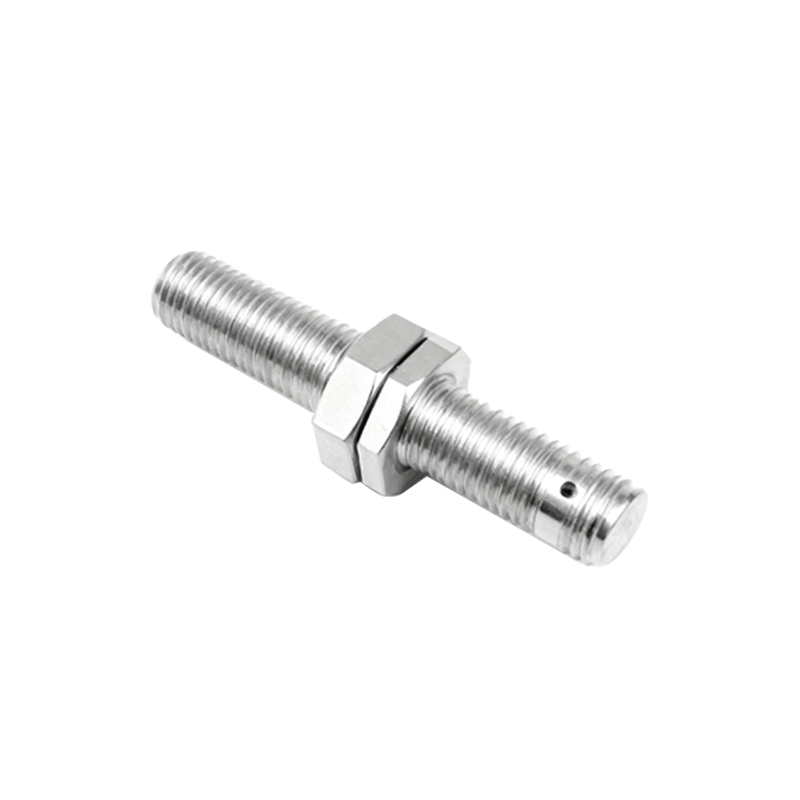
2. Housing and Enclosure Integrity: Regularly inspect the sensor housing for cracks, gaps, or damage to O-rings and gaskets. These sealing elements are often made of materials like silicone, Viton, or EPDM, chosen for their resistance to water, temperature, and chemicals. During installation, ensure that any housing screws are tightened to the manufacturer's specified torque to compress the gaskets evenly without damaging them.
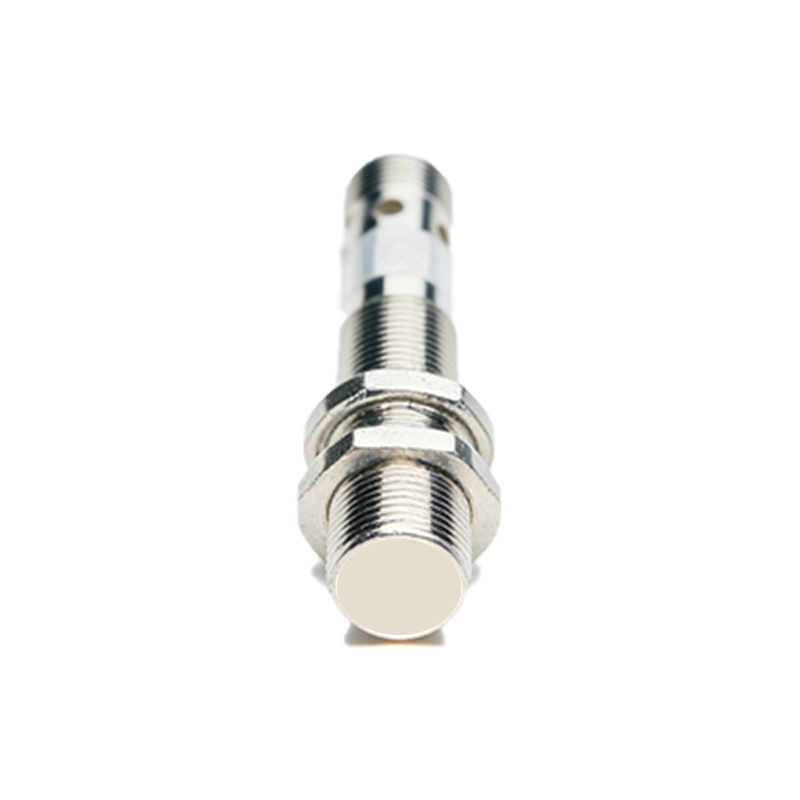
3. Orientation and Positioning: Mount the sensor in a position that minimizes direct exposure to water jets or pooling liquid. Whenever possible, angle the sensor face downward so that water runs off instead of collecting on the sensing surface. Avoid mounting sensors at the lowest points of machinery where water and contaminants tend to accumulate.
4. Connector Protection: If using sensors with quick-disconnect connectors, ensure they are of a waterproof type (e.g., meeting IP67 or higher). After mating, secure the connector lock and consider using a protective shroud or applying a dielectric grease specifically designed for electrical connectors to prevent water ingress and corrosion on the pins.
For sensors operating in extremely harsh environments or those with lower native IP ratings, additional protective measures can be employed:
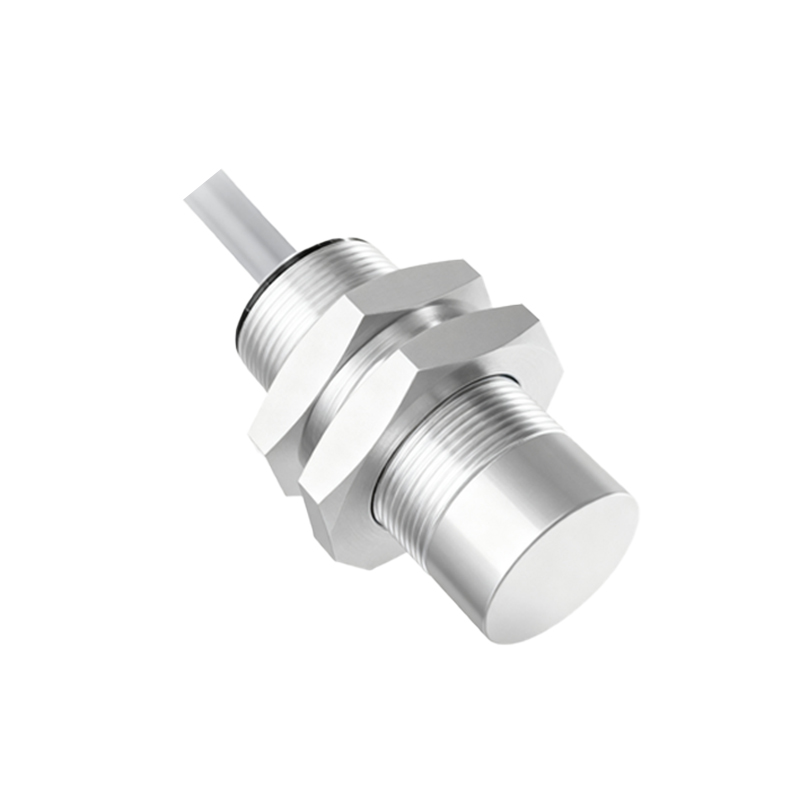
Secondary Enclosures: Installing the sensor inside an additional waterproof junction box or enclosure provides an extra layer of protection. Ensure this enclosure itself has a suitable IP rating and is properly sealed.
Protective Coatings and Potting: Applying a conformal coating to the internal electronic circuitry can protect against condensation and minor moisture ingress. For ultimate protection, "potting" the sensor's internal cavity with a waterproof epoxy resin completely encapsulates the electronics, making it highly resistant to water, vibration, and corrosion. This is often a factory process but can be considered for critical applications.
Stainless Steel Housings: For corrosive environments involving water, salts, or chemicals, specifying sensors with 316L stainless steel housings offers superior corrosion resistance compared to standard brass, nickel-plated brass, or plastic housings.
A proactive maintenance schedule is essential for sustained waterproof integrity. This includes periodic visual inspections for physical damage or seal degradation, checking for moisture inside sight glasses (if applicable), and verifying the tightness of cable glands and housing fasteners. Cleaning sensors with appropriate solvents that do not degrade sealing materials is also crucial.
In conclusion, waterproofing a proximity sensor is a multi-faceted approach that starts with selecting the correct IP-rated product for the application and is reinforced by meticulous installation, the use of supplementary sealing techniques, and consistent maintenance. By treating waterproofing as an integrated system—encompassing the sensor, its installation, and its environment—engineers and maintenance personnel can significantly enhance operational reliability, reduce failure rates, and ensure continuous productivity in demanding industrial settings where water is a constant adversary.