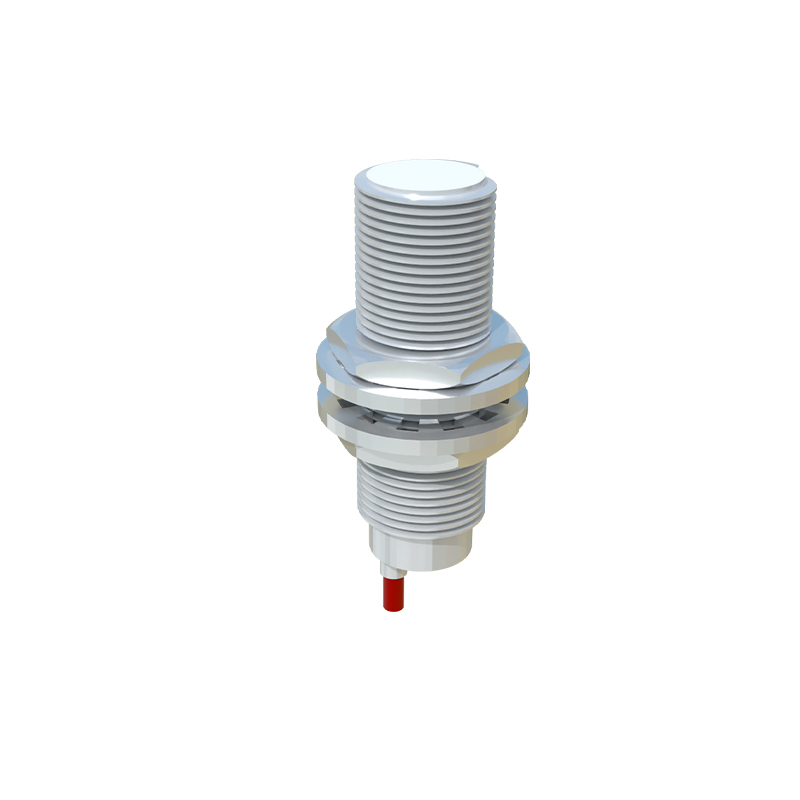
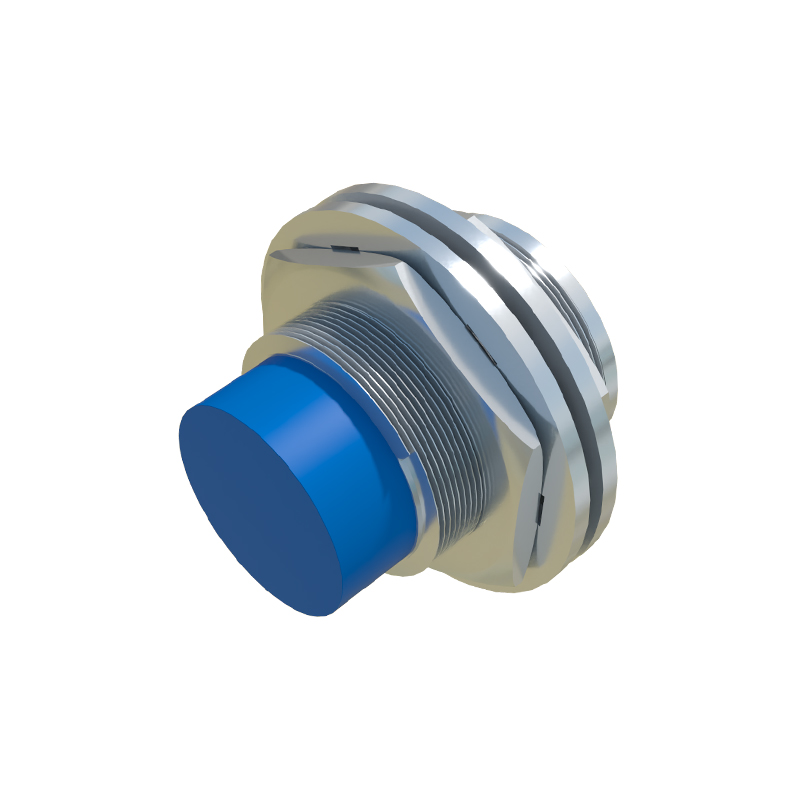
Embedded proximity sensors represent a critical advancement in industrial automation, offering enhanced reliability and space-saving designs. These sensors are integrated directly into machinery structures, providing precise detection without protruding components. The operational principle hinges on electromagnetic, capacitive, or inductive technologies, tailored to specific environmental demands.
Electromagnetic embedded sensors generate an oscillating electromagnetic field. When a metallic target enters this field, eddy currents are induced, altering the oscillation amplitude. This change is detected by the sensor's circuitry, triggering an output signal. Such sensors excel in harsh environments with high temperatures or contaminants, as their sealed construction prevents damage.
Capacitive embedded sensors measure changes in capacitance between the sensor and a target. They detect both metallic and non-metallic objects, including liquids or plastics, by monitoring dielectric constant variations. These sensors are ideal for applications requiring material differentiation, such as packaging or assembly lines.
Inductive embedded sensors operate similarly to electromagnetic types but are optimized for ferrous metals. They use a coil and oscillator to create a magnetic field, with target presence causing frequency shifts. Their robustness against dust, moisture, and vibration makes them suitable for heavy machinery and automotive manufacturing.
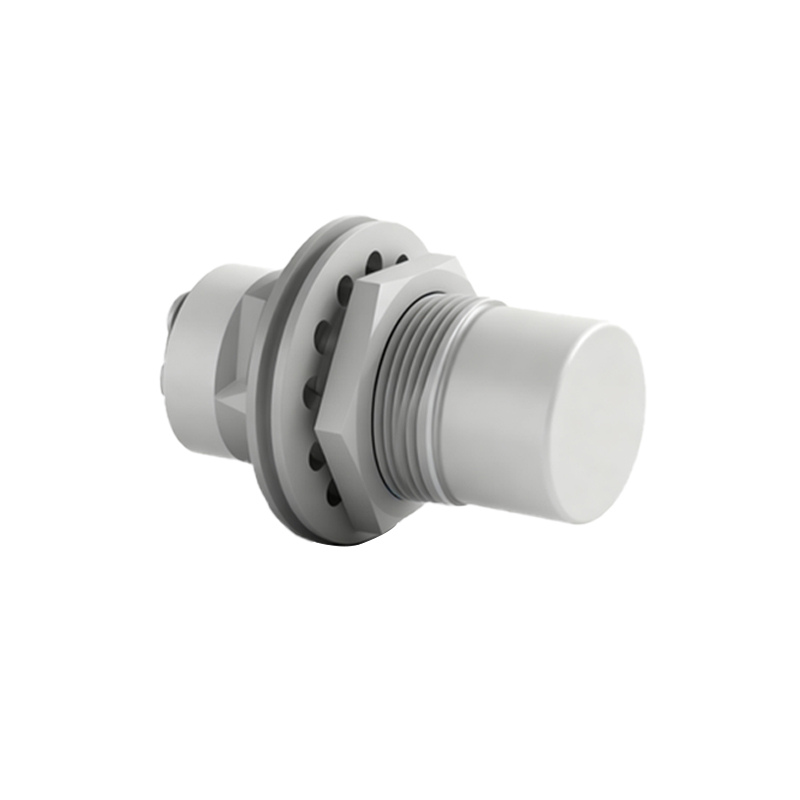
Key advantages of embedded designs include reduced mechanical stress, as sensors avoid direct contact with moving parts. This extends lifespan and minimizes maintenance. Additionally, their flush-mounting capability allows seamless integration into tight spaces, improving safety and aesthetics in automated systems.
Installation requires precise alignment to ensure optimal sensing ranges, typically from 1 to 20 millimeters. Calibration involves adjusting sensitivity thresholds to avoid false triggers from background interference. Modern embedded sensors often feature programmable logic controllers (PLC) compatibility, enabling real-time data integration for predictive maintenance.
In summary, embedded proximity sensors leverage core physical principles to deliver reliable, non-contact detection. Their adaptability across industries—from robotics to aerospace—underscores their role in advancing efficiency and safety in automation.