Magnetic proximity sensors are widely used across various industries for non-contact detection, object positioning, and motion control. These sensors operate by detecting changes in a magnetic field, making them ideal for harsh environments where dirt, dust, moisture, or other contaminants might interfere with optical or mechanical sensors. But what specific objects can they actually sense? The answer lies in the fundamental principle of their operation and the magnetic properties of the target materials.
At their core, magnetic proximity sensors consist of a permanent magnet and a sensing element, often a reed switch or a Hall-effect integrated circuit. The sensor is triggered when a ferromagnetic object enters its detection range, disturbing the magnetic field. This disturbance is sensed and converted into an electrical signal. Therefore, the primary and most effective target for a standard magnetic proximity sensor is ferromagnetic material. This category includes iron, nickel, cobalt, and their alloys, such as various types of steel. Common industrial objects made from these materials include machine tool fixtures, actuator pistons, conveyor chain links, metal plates, gears, and fasteners like bolts and nuts. The sensor reliably detects the presence or absence of these objects without physical contact.
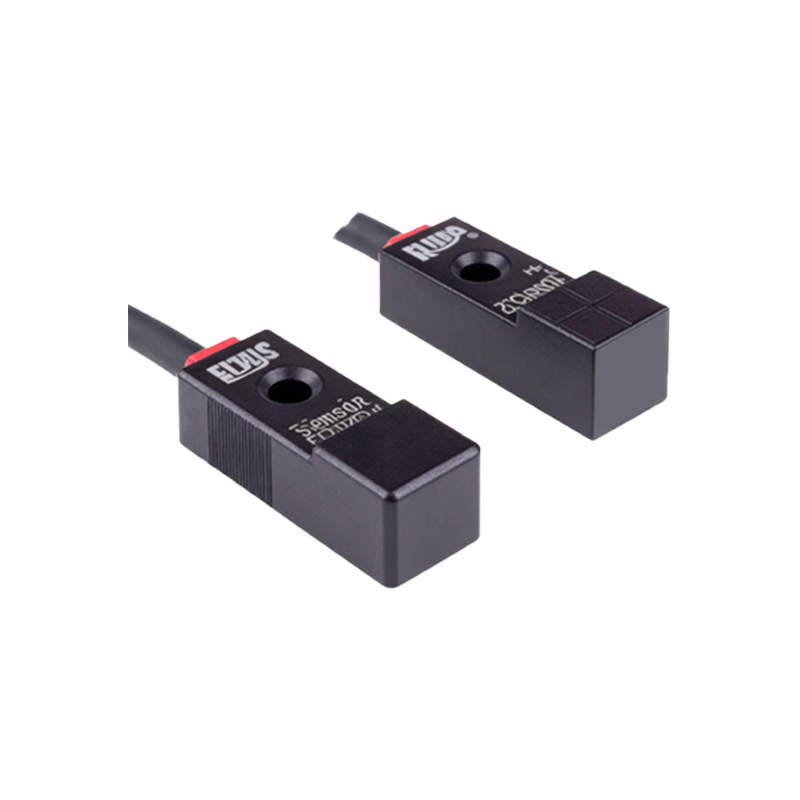
It is crucial to understand that magnetic sensors do not effectively detect non-ferrous metals like aluminum, copper, or brass under normal operating conditions. These materials are not ferromagnetic; they do not significantly concentrate magnetic flux lines. Similarly, non-metallic materials such as plastics, wood, ceramics, and most liquids are completely undetectable by standard magnetic proximity sensors. For applications requiring detection of such materials, other sensor types like capacitive, inductive (for metals), or ultrasonic sensors are necessary.
However, a specific and highly common application involves detecting a permanent magnet itself. In this setup, the sensor (typically a reed switch or Hall-effect sensor) is stationary, and a small permanent magnet is mounted on the moving part to be detected. When the magnet comes within the sensor's switching distance, it activates the sensor. This configuration is extremely popular for position sensing in cylinders (pneumatic or hydraulic), door/window security systems, and speed sensing on rotating shafts with a mounted magnet. Here, the "object" being sensed is the magnetic field of the permanent magnet.
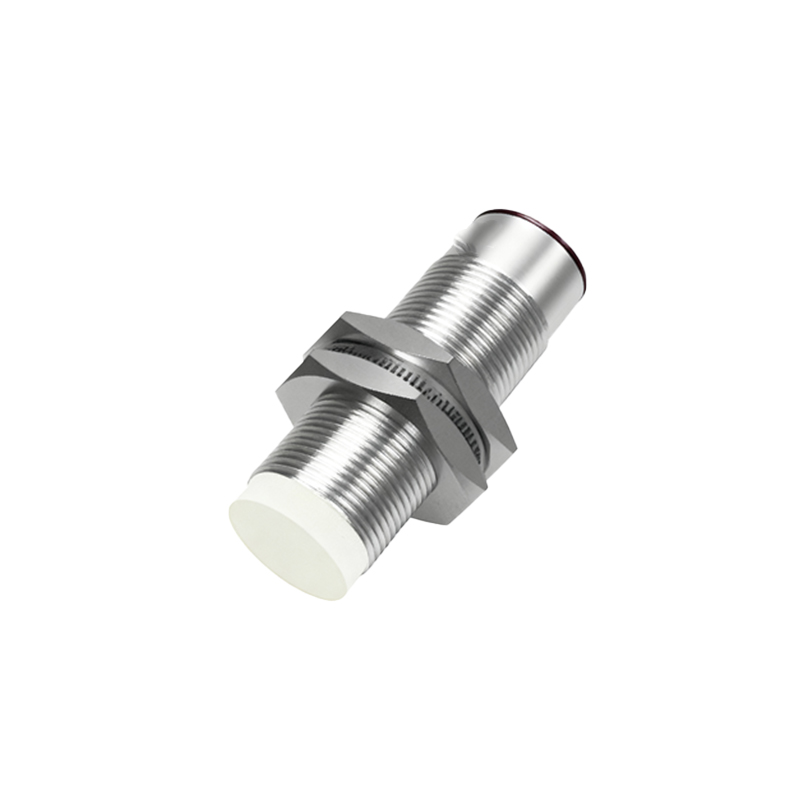
Another consideration is the sensing distance. The effective range depends on the size, material, and magnetic permeability of the target object. A large piece of mild steel can be detected from a farther distance than a small steel screw. Sensor datasheets typically specify the "standard sensing distance" (Sn) using a defined reference target, usually a square of mild steel of specific dimensions. Engineers must account for this in design, as using a different material or a smaller target will reduce the practical sensing range.
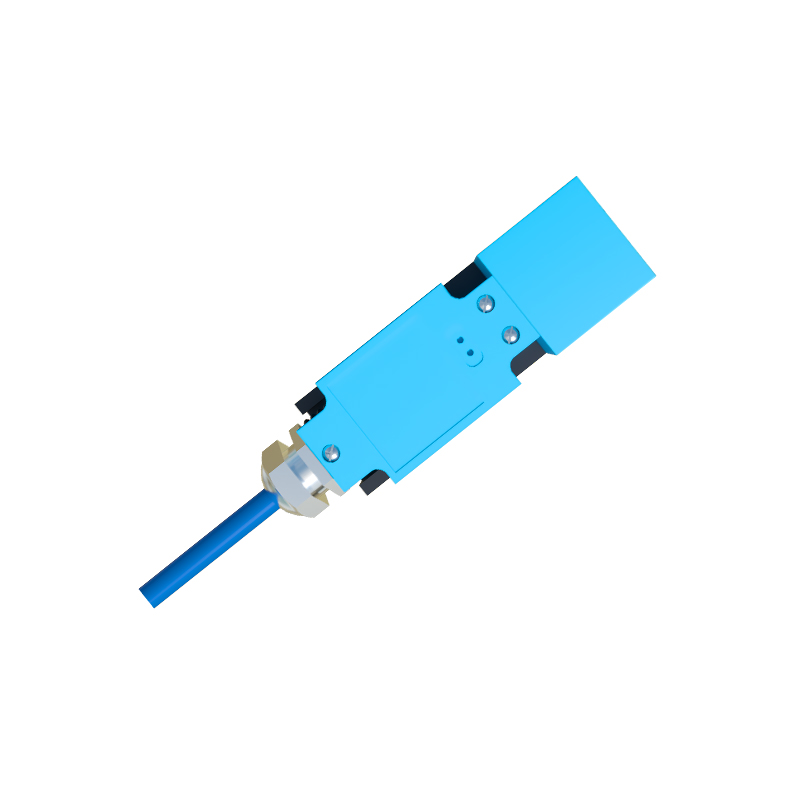
Environmental factors also play a role. While magnetic sensors are robust, extremely strong external magnetic fields or the presence of other ferromagnetic materials near the sensing area can cause interference or false triggering. Proper shielding and installation positioning are essential for reliable operation.
In summary, magnetic proximity sensors are designed to detect objects that interact with a magnetic field. Their primary targets are ferromagnetic metals like iron and steel. They are also exceptionally well-suited for detecting the presence of permanent magnets. For all other materials—non-ferrous metals and non-metals—these sensors will not function. Selecting the correct sensor technology based on the target material's properties is fundamental to successful automation and control system design. Their durability, simplicity, and reliability in detecting ferrous objects and magnets ensure their continued prevalence in industrial automation, automotive systems, and safety applications.