Infrared proximity sensors are essential components in modern industrial automation, offering non-contact detection capabilities for diverse applications ranging from assembly line monitoring to robotic guidance systems. As an experienced electrical engineer specializing in industrial sensing solutions, I will provide a comprehensive breakdown of infrared proximity sensor pricing factors, market trends, and cost optimization strategies.
The pricing of infrared proximity sensors varies significantly based on technical specifications and application requirements. Basic diffuse-reflective sensors with a detection range of 10-30 cm typically range from $15 to $50 per unit in bulk orders. These sensors utilize modulated infrared light to detect objects without physical contact, making them ideal for presence detection in packaging machinery. For longer-range applications requiring precise measurement, advanced models with background suppression technology can cost between $80 and $200 per unit. These sensors incorporate specialized optics and signal processing algorithms to ignore distant objects, ensuring accurate detection within predefined zones.
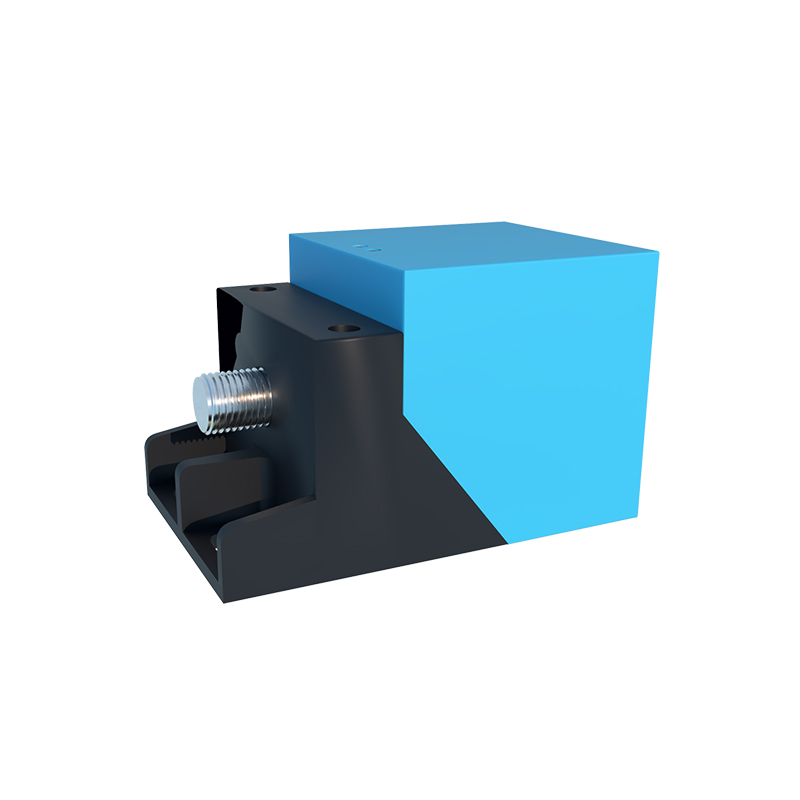
Key factors influencing infrared proximity sensor prices include detection range, response time, output type, and environmental ratings. Sensors with extended ranges (up to 2 meters) command premium pricing due to sophisticated lens systems and high-power emitters. Response time is another critical determinant; high-speed models capable of microsecond-level detection are priced 30-50% higher than standard versions. Output configurations also affect costs: analog output sensors for distance measurement typically cost 20-40% more than simple digital switches. Industrial-grade sensors with IP67 or IP69K ratings for harsh environments (resistant to dust, moisture, and chemical exposure) carry a 25-60% price premium over basic enclosures.
Market analysis reveals several pricing trends. The growing adoption of Industry 4.0 technologies has increased demand for smart sensors with IO-Link communication, adding approximately $15-30 to base prices but enabling predictive maintenance capabilities. Chinese manufacturers like Omron and Keyence dominate the premium segment ($100-500 per unit), while European brands such as Sick and Pepperl+Fuchs offer competitive mid-range options ($50-150). Recent supply chain improvements have stabilized prices after pandemic-related fluctuations, with average costs decreasing by 8-12% since 2022 for standard models.
For cost-effective procurement, consider these strategies:
1. Evaluate application requirements meticulously - over-specifying features like excessive range or speed increases costs unnecessarily.
2. Explore sensor families offering modular designs; many manufacturers provide customizable housings and optics at lower incremental costs.
3. Leverage volume discounts; orders exceeding 100 units often qualify for 10-25% price reductions.
4. Consider alternative technologies for specific use cases; ultrasonic sensors may provide better value for transparent object detection.
The integration of advanced functionalities continues to reshape pricing structures. Modern infrared proximity sensors increasingly incorporate temperature compensation circuits, teach-in functions for easy calibration, and diagnostic LEDs. These features typically increase unit costs by 10-30% but reduce long-term maintenance expenses. Wireless-enabled sensors using Bluetooth or Zigbee protocols represent the premium frontier, costing $150-400 but eliminating wiring costs in complex installations.
Maintenance and lifecycle costs significantly impact total ownership expenses. High-quality infrared sensors from reputable manufacturers often feature mean time between failures (MTBF) exceeding 100,000 hours, justifying higher initial investments. Regular lens cleaning and periodic calibration are essential maintenance practices that prevent false triggers and extend operational lifespans. Many suppliers offer service contracts covering calibration and repairs, typically costing 5-10% of the sensor's purchase price annually.
Emerging technologies are gradually affecting market dynamics. Time-of-flight (ToF) infrared sensors, while currently priced 50-100% higher than traditional models, offer superior accuracy for robotics applications. The development of multi-pixel array sensors enables rudimentary shape recognition, opening new automation possibilities at premium price points ($250-600). As manufacturing scales for these advanced designs, prices are projected to decrease by 15-30% over the next three years.
In conclusion, infrared proximity sensor pricing reflects a complex interplay of technical capabilities, environmental robustness, and smart features. Industrial buyers should prioritize application-matched specifications over maximal performance to optimize budgets. The market offers solutions spanning from economical $20 sensors for basic detection to sophisticated $500+ systems for precision measurement. By understanding these pricing factors and trends, engineers can make informed procurement decisions that balance performance requirements with cost considerations.