Proximity sensors are indispensable components in modern industrial automation, offering non-contact detection of objects within a specific range. These devices enhance efficiency, safety, and precision in various applications. Understanding the different types of proximity sensors available is crucial for selecting the right one for specific operational needs.
The most common type is the inductive proximity sensor. Designed to detect metallic objects, these sensors generate an electromagnetic field. When a metal target enters this field, it induces eddy currents, causing a change in the sensor's oscillation amplitude. This change triggers the output switch. Inductive sensors are highly reliable, resistant to environmental factors like dust and moisture, and are ideal for applications in metal detection, such as counting metal parts on a conveyor or determining the position of a machine component.
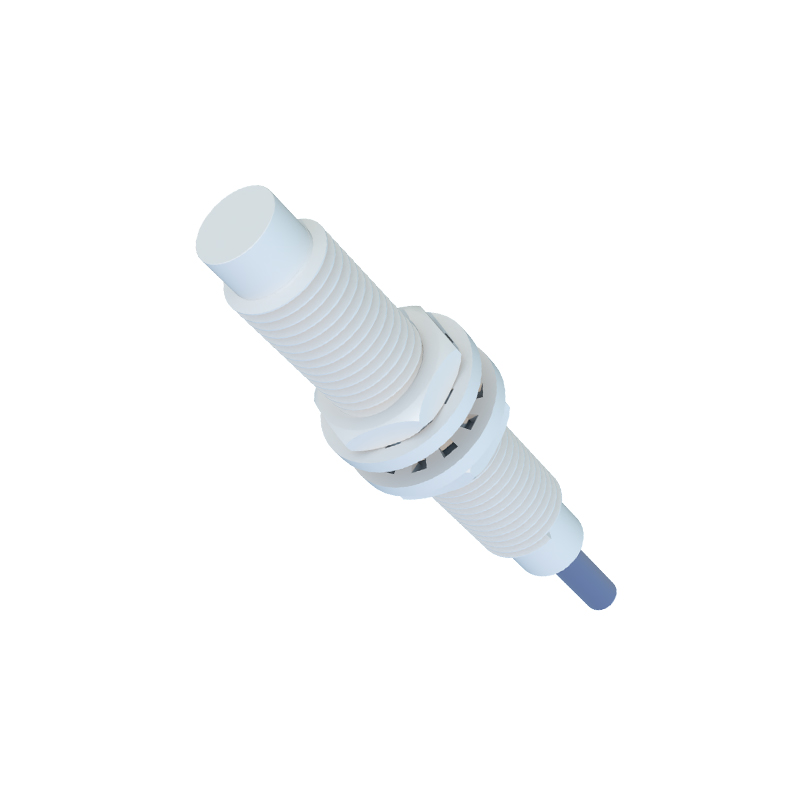
Capacitive proximity sensors, on the other hand, can detect both metallic and non-metallic materials, including liquids, plastics, and wood. They operate by generating an electrostatic field. The presence of any object with a dielectric constant different from air alters the capacitance of the circuit, triggering detection. These sensors are versatile and used in level detection for tanks, material handling, and presence detection of non-metallic objects.
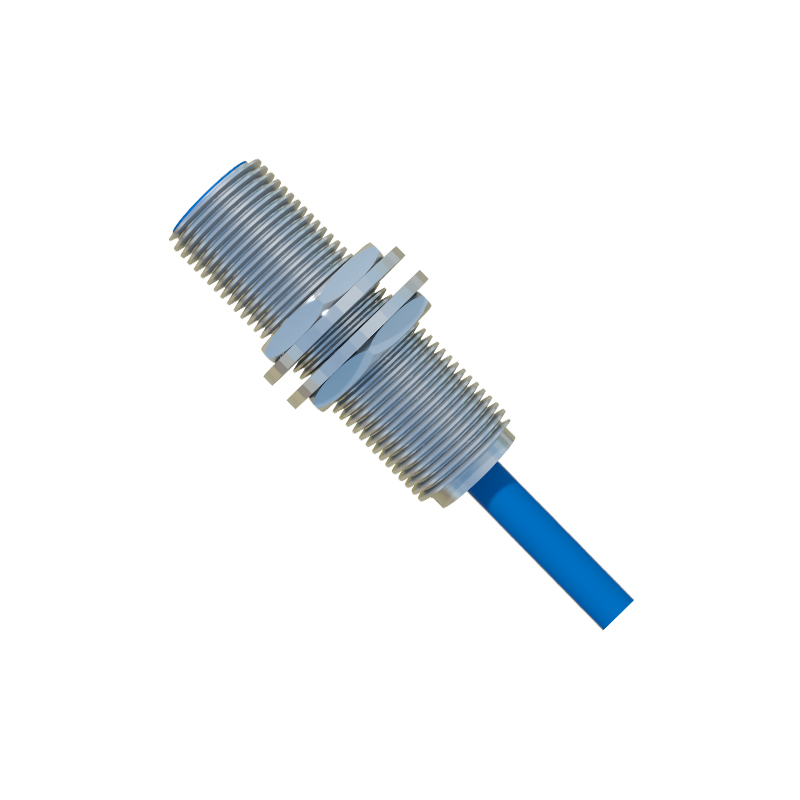
Ultrasonic proximity sensors utilize sound waves beyond human hearing. They emit ultrasonic pulses and measure the time taken for the echo to return after hitting an object. This time-of-flight principle allows for precise distance measurement and detection of objects regardless of color, transparency, or material composition. Common applications include pallet detection, loop control, and distance monitoring in challenging environments with dust or vapor.
Magnetic proximity sensors, often referred to as reed switches or Hall effect sensors, detect the presence of a magnetic field. Reed switches consist of two ferromagnetic blades sealed in a glass tube, which close when a magnet approaches. Hall effect sensors produce a voltage change in response to a magnetic field. These sensors are frequently used for detecting the position of cylinders in pneumatic systems, door closures, and safety interlocks.
Photoelectric sensors, while sometimes categorized separately, function as proximity devices using light beams. They consist of an emitter (light source) and a receiver. When an object interrupts or reflects the light beam, the sensor detects its presence. Types include through-beam, retro-reflective, and diffuse reflective models. They excel in detecting small objects, transparent materials, and are used in packaging, bottling, and assembly lines.

Selecting the appropriate proximity sensor involves considering factors like sensing distance, target material, environmental conditions (temperature, humidity, contaminants), output type (PNP/NPN, analog, IO-Link), and housing design. For instance, in a washdown area in food processing, a stainless-steel capacitive sensor with high IP rating would be suitable. In a high-speed metal stamping press, a fast-response inductive sensor is preferred.
The integration of smart sensors with Industrial Internet of Things (IIoT) capabilities is a growing trend. Modern proximity sensors can provide diagnostic data, such as health status and predictive maintenance alerts, via protocols like IO-Link. This connectivity enhances overall equipment effectiveness (OEE) and reduces downtime.
In conclusion, the diversity of proximity sensors—inductive, capacitive, ultrasonic, magnetic, and photoelectric—provides tailored solutions for countless industrial challenges. Their role in enabling precise, reliable, and contactless operation is fundamental to advancing automation, improving safety, and optimizing productivity across manufacturing, automotive, packaging, and material handling sectors. Proper selection and application are key to leveraging their full potential in any automated system.