In industrial automation and control systems, proximity sensors are critical components for detecting the presence or absence of objects without physical contact. However, engineers often encounter issues where these sensors exhibit slow response times, leading to inefficiencies, production delays, or even safety hazards. Understanding the underlying causes of sluggish sensor performance is essential for troubleshooting and maintaining optimal system operation. This article explores the primary reasons behind slow response in proximity sensors and offers practical insights for engineers to address these challenges effectively.
One of the most common causes of slow sensor response is environmental interference. Proximity sensors, especially inductive or capacitive types, can be affected by electromagnetic noise from nearby machinery, motors, or power lines. This interference may distort the sensor's output signal, causing delays in detection. For instance, in facilities with high-frequency welding equipment or variable frequency drives (VFDs), sensors might experience signal degradation, requiring additional time to process inputs accurately. Shielding cables, using twisted-pair wiring, or installing filters can mitigate such issues, but improper installation often exacerbates the problem.
Another significant factor is sensor contamination. In harsh industrial environments, sensors are exposed to dust, oil, metal shavings, or moisture. Accumulation of debris on the sensor face can attenuate the sensing field, reducing sensitivity and slowing down response. For example, in machining applications, coolant or lubricant buildup on an inductive proximity sensor may weaken its electromagnetic field, leading to delayed object detection. Regular maintenance, including cleaning and inspection, is crucial to prevent contamination-related slowdowns. Additionally, selecting sensors with appropriate ingress protection (IP) ratings for the environment can enhance longevity and performance.
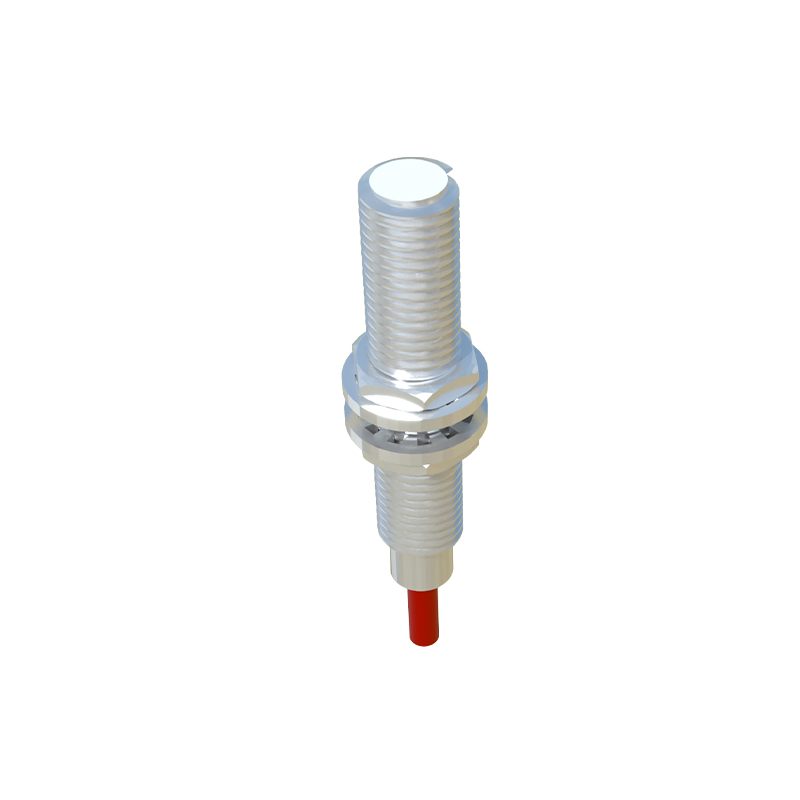
Sensor aging and component degradation also contribute to slow responses. Over time, internal electronic components, such as oscillators or amplifiers, may wear out, causing drift in sensing parameters. This degradation often manifests as increased response time or reduced detection range. In capacitive sensors, changes in dielectric properties due to material fatigue can further impair performance. Engineers should monitor sensor lifespan and consider preventive replacement schedules based on operational hours and environmental stress. Calibration checks during routine maintenance can help identify aging issues before they impact production.
Incorrect sensor selection or configuration is a frequent yet overlooked cause of slow response. Proximity sensors come in various types—inductive, capacitive, ultrasonic, and photoelectric—each with specific response times and sensing ranges. Using a sensor with an inherently slow response time for a high-speed application, such as packaging or assembly lines, will inevitably lead to performance bottlenecks. For instance, ultrasonic sensors, while versatile, typically have slower response times compared to inductive sensors due to sound wave propagation delays. Engineers must carefully evaluate application requirements, including object material, size, and required sensing speed, to choose the right sensor. Additionally, misconfigured settings, like excessive hysteresis or inappropriate output modes, can introduce delays.
Electrical issues, such as inadequate power supply or voltage fluctuations, can also slow down sensor response. Proximity sensors require stable voltage to operate efficiently; voltage drops or surges may cause the sensor to reset or enter a protective mode, delaying output signals. In systems with long cable runs, voltage loss along the wires can exacerbate this problem. Ensuring proper power ratings, using regulated power supplies, and minimizing cable length can improve electrical stability. Moreover, output load compatibility—matching the sensor's output type (e.g., PNP vs. NPN) with the controller's input—is vital to avoid signal lag.
Finally, software or PLC programming inefficiencies may indirectly cause perceived sensor slowness. Even if the sensor responds quickly, delays in the programmable logic controller (PLC) scan cycle or poorly optimized code can create bottlenecks in signal processing. For example, if a sensor's input is only checked at specific intervals in a ladder logic program, it may seem unresponsive. Engineers should review PLC programs for efficient input handling and consider using high-speed input modules for critical applications. Integrating sensors with industrial networks, like IO-Link, can also provide real-time diagnostics and faster data exchange, reducing overall system latency.
In summary, slow response in proximity sensors stems from a combination of environmental, mechanical, electrical, and configuration factors. By systematically addressing these areas—through proper installation, regular maintenance, correct sensor selection, and optimized system design—engineers can enhance sensor performance and ensure reliable automation processes. Proactive troubleshooting and adherence to manufacturer guidelines are key to minimizing downtime and maintaining operational efficiency in industrial settings.