In the realm of industrial safety and environmental monitoring, laser methane sensors have emerged as a pivotal technology. Their adoption across sectors like oil & gas, mining, wastewater treatment, and utilities is driven by unparalleled accuracy, rapid response times, and minimal maintenance needs compared to traditional catalytic bead or infrared sensors. A critical factor influencing this adoption is the sensor's price point, which is shaped by a complex interplay of technological sophistication, market demand, and supply chain dynamics.
The price range for a laser methane sensor is broad, typically spanning from approximately $1,500 to over $8,000 per unit. This significant variance is not arbitrary but is directly tied to several core specifications. Firstly, the measurement range is paramount. A sensor designed for low-level leak detection (0-100% LEL or 0-5% vol) generally carries a different price tag than one built for high-concentration monitoring in process streams (up to 100% vol). Secondly, performance metrics like precision, response time (T90), and long-term stability command a premium. Sensors boasting sub-ppm detection limits and drift-free performance over years justify higher costs through reduced calibration frequency and enhanced safety.
Thirdly, the design and certification pedigree heavily influence cost. Intrinsically safe (ATEX, IECEx) or explosion-proof designs for hazardous areas involve rigorous engineering and testing, increasing the price. Similarly, ruggedized housings (IP67) for harsh outdoor or underground environments add to the manufacturing expense. Integration capabilities also play a role. A basic sensor head with analog output is more economical, while units with integrated digital communication (Modbus, HART, 4-20mA), data logging, and relay outputs for direct alarm triggering offer greater functionality at a higher price.
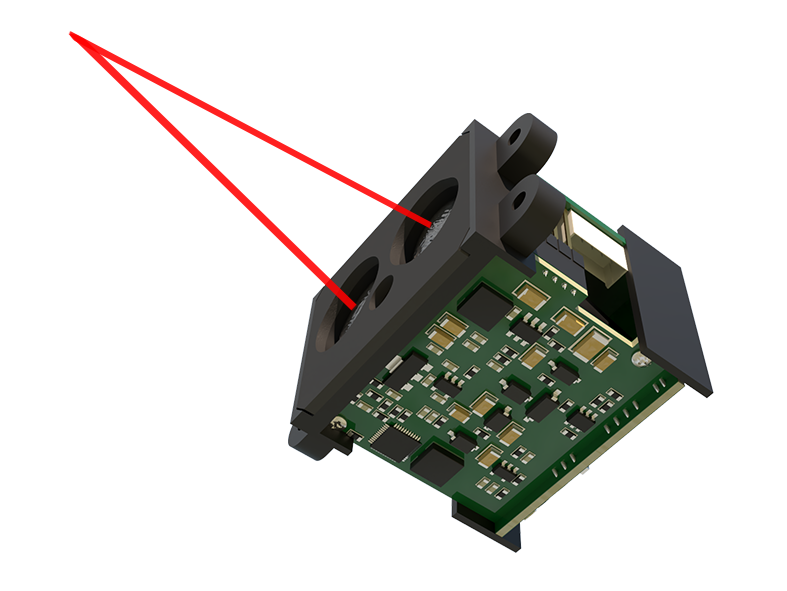
Beyond the unit cost, the Total Cost of Ownership (TCO) provides a more complete financial picture. Laser methane sensors, utilizing Tunable Diode Laser Absorption Spectroscopy (TDLAS), have no consumable parts and are largely immune to poisoning—a common failure mode for catalytic sensors. This translates to vastly lower maintenance costs, fewer replacements, and less operational downtime. While the initial capital expenditure is higher, the long-term savings on maintenance, calibration gases, and sensor replacements often result in a superior return on investment over a 5-10 year period, making them a cost-effective choice for permanent installations.
Market trends are currently exerting downward pressure on prices, albeit gradually. Increased manufacturing scale, particularly from established suppliers in North America, Europe, and a growing number in Asia, is improving economies of scale. Advancements in laser diode and photodetector technology are reducing core component costs. However, this is counterbalanced by rising demand for smarter, connected sensors within Industrial IoT (IIoT) frameworks and stricter global safety regulations, which sustain demand for high-performance, albeit premium, models.
For procurement specialists and engineers, the key is to conduct a thorough needs assessment. Define the required detection range, environmental conditions, necessary certifications, and integration needs. Request detailed quotations from multiple reputable vendors, ensuring they include not just the sensor price, but also costs for calibration fixtures, mounting hardware, and any necessary controller or software. Evaluate the warranty period and the vendor's technical support reputation. Ultimately, selecting a laser methane sensor should be a balance between upfront budget constraints and the long-term value derived from reliability, safety compliance, and low operational overhead. The market offers solutions across the spectrum, and a precise technical specification is the best tool for navigating the associated pricing landscape.