In the rapidly evolving landscape of industrial automation, millimeter-level proximity sensors have become indispensable components for precision detection and control. These sensors, known for their high accuracy and reliability, are widely used in applications such as robotic assembly, CNC machining, and quality inspection systems. As demand grows across sectors like automotive manufacturing, electronics, and aerospace, understanding the pricing structure of these sensors is crucial for engineers and procurement specialists.
The price of millimeter-level proximity sensors varies significantly based on several key factors. First, the sensing technology plays a major role—inductive, capacitive, and magnetic sensors each come with different cost implications. Inductive sensors, commonly used for metal detection, typically range from $50 to $200 per unit, depending on the detection range and housing material. Capacitive sensors, suitable for non-metallic objects, may cost between $70 and $250, with higher prices for models featuring enhanced sensitivity or environmental resistance. Magnetic sensors, often employed in harsh conditions, can be priced from $60 to $180.
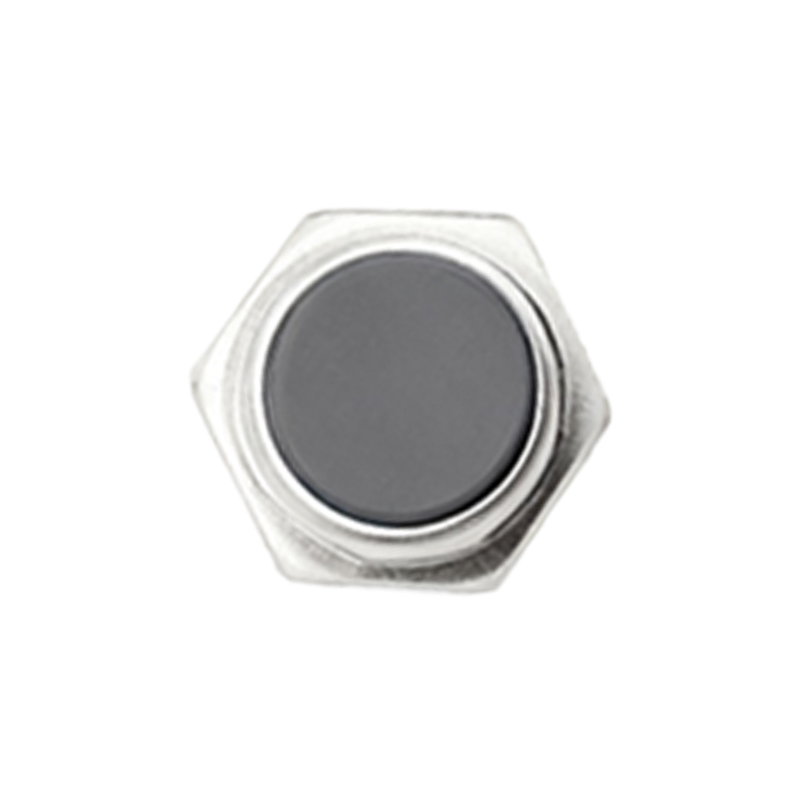
Second, performance specifications directly impact pricing. Sensors with millimeter or sub-millimeter accuracy (e.g., ±0.1mm to ±0.5mm) command premium prices, often 20-30% higher than standard models. Additional features like embedded diagnostics, IO-Link communication, or extended temperature ranges (-40°C to 85°C) can increase costs by 15-25%. For instance, a high-end inductive sensor with IO-Link and IP67 rating might retail for $180-$300, while a basic model without these features could be as low as $40.
Third, brand reputation and supply chain considerations influence market rates. Established manufacturers like Siemens, Omron, and Pepperl+Fuchs tend to price their sensors at a premium due to proven durability and support services, with average costs of $100-$350 per unit. In contrast, emerging or regional brands may offer competitive pricing at $30-$150, though engineers must weigh potential trade-offs in longevity or calibration consistency. Bulk purchasing (e.g., orders of 100+ units) often reduces per-unit costs by 10-20%, making it a common strategy for large-scale industrial projects.
Market trends also shape pricing dynamics. The rise of Industry 4.0 has driven demand for smart sensors with networking capabilities, pushing prices upward for advanced models. However, increased production scale and technological standardization have gradually lowered costs for entry-level sensors over the past five years. Regional factors matter too—sensors sold in North America and Europe often include compliance certifications (e.g., CE, UL) that add 5-10% to the price compared to Asian markets.
For accurate budgeting, engineers should consider total cost of ownership beyond the initial purchase. This includes installation expenses, maintenance cycles, and compatibility with existing control systems. Many suppliers provide online configurators or quote-upon-request tools for customized solutions. As a reference, here’s a simplified price table based on common industry categories:
- Standard Inductive Sensor (8mm range, PVC housing): $45-$90
- High-Precision Capacitive Sensor (±0.2mm accuracy, stainless steel): $120-$220
- Magnetic Proximity Sensor with Extended Temperature rating: $65-$160
- IO-Link Enabled Smart Sensor (inductive/capacitive): $150-$320
In summary, millimeter-level proximity sensor pricing reflects a balance of technology, performance, and market forces. By evaluating specifications against application needs, engineers can optimize investments without compromising on operational efficiency. Regular consultation with suppliers and staying updated on industry developments will ensure cost-effective procurement in this dynamic field.