In the realm of industrial automation and electrical engineering, proximity sensors are pivotal components for detecting the presence or absence of objects without physical contact. A common query among engineers and designers is whether aluminum can be effectively utilized in proximity sensor applications. This article delves into the technical aspects, material properties, and practical considerations surrounding the use of aluminum with proximity sensors, providing a comprehensive analysis for professionals in the field.
Proximity sensors typically operate based on electromagnetic, capacitive, or inductive principles. Inductive proximity sensors, which are widely used in industrial settings, detect metallic objects by generating an electromagnetic field. When a metal object enters this field, it induces eddy currents, causing a change in the sensor's oscillation amplitude, which triggers detection. The effectiveness of these sensors depends heavily on the material properties of the target object, including conductivity, permeability, and thickness.
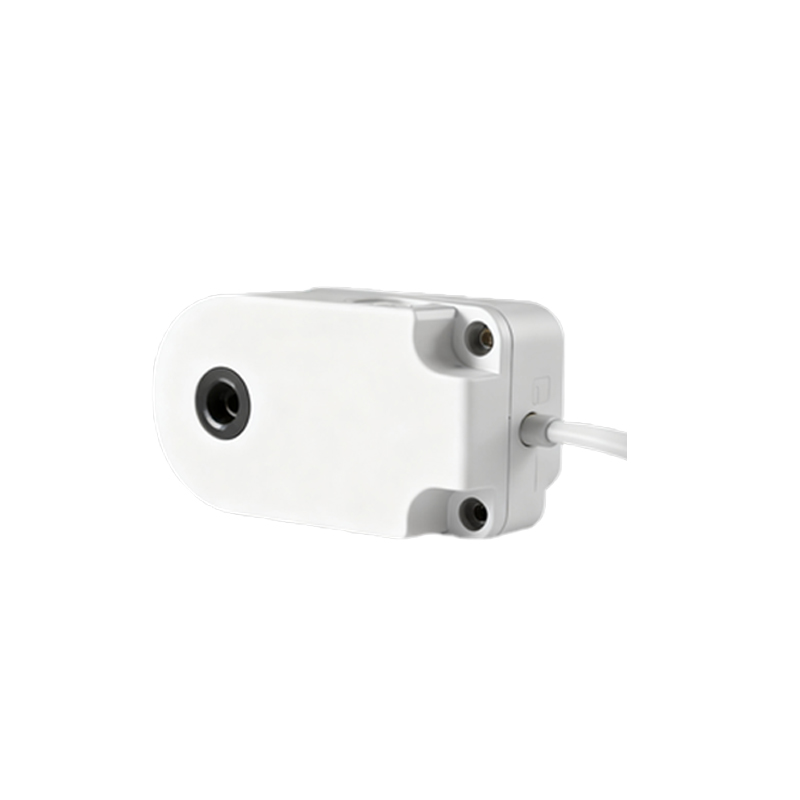
Aluminum, as a non-ferrous metal, exhibits high electrical conductivity but low magnetic permeability. This characteristic poses both advantages and challenges when used with inductive proximity sensors. On one hand, aluminum's conductivity allows it to be detected by inductive sensors, as eddy currents can be induced in its surface. However, due to its low permeability, the sensing distance for aluminum is typically reduced compared to ferrous metals like steel or iron. Industry standards often specify a correction factor—for instance, aluminum may require a reduction in nominal sensing distance by approximately 40-60%, depending on the sensor model and aluminum alloy composition.
In capacitive proximity sensors, which detect both metallic and non-metallic materials based on changes in capacitance, aluminum performs well due to its conductive nature. These sensors can reliably detect aluminum objects, making them suitable for applications involving non-ferrous metals. However, environmental factors such as humidity or contamination on the aluminum surface can influence performance, necessitating proper calibration and shielding.
When considering aluminum for proximity sensor applications, engineers must account for several practical factors. First, the alloy type and surface condition of aluminum play crucial roles. Pure aluminum or alloys with high conductivity (e.g., 1000 or 6000 series) generally offer better detection capabilities. Anodized or coated aluminum surfaces may reduce sensitivity, as these layers can act as insulators, particularly for inductive sensors. In such cases, adjusting the sensor's sensitivity or opting for capacitive sensors might be necessary.
Second, the shape and size of the aluminum target affect detection reliability. Thin or small aluminum parts may not generate sufficient eddy currents for inductive sensors, leading to false negatives. It is recommended to use aluminum targets with adequate thickness (e.g., at least 1 mm) and surface area relative to the sensor's active face. Testing under real-world conditions is advisable to ensure optimal performance.
Third, interference from surrounding metals or electrical noise can impact sensor accuracy when detecting aluminum. Proper installation, including maintaining adequate clearance from other metallic objects and using shielded cables, helps mitigate these issues. Additionally, selecting sensors with built-in temperature compensation can enhance stability in varying industrial environments.
In summary, aluminum can indeed be used with proximity sensors, but its applicability depends on the sensor type, aluminum properties, and application requirements. Inductive sensors require adjustments for reduced sensing distances, while capacitive sensors offer more consistent detection. Engineers should conduct thorough evaluations, considering material specifications, environmental conditions, and sensor capabilities, to achieve reliable operation. As technology advances, some modern proximity sensors feature programmable settings or multi-material detection modes, further expanding the usability of aluminum in automated systems.
For those integrating aluminum into proximity sensing applications, consulting manufacturer datasheets and performing on-site tests are essential steps. By understanding the interplay between aluminum's material characteristics and sensor technology, professionals can optimize system design, ensuring efficiency and reliability in diverse industrial scenarios.