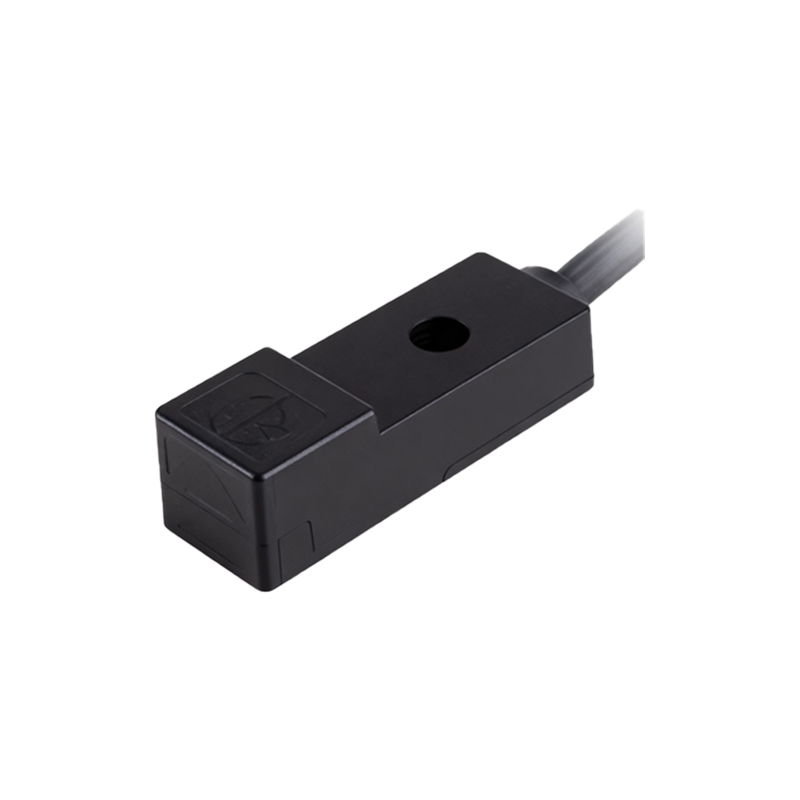
In the field of industrial automation, proximity switch sensors are widely used to detect the position of pneumatic cylinders, ensuring precise control in machinery and production lines. A common question among engineers and technicians is whether these sensors for cylinders are magnetic. The answer depends on the type of proximity sensor and the cylinder design.
Proximity sensors for cylinders typically fall into two main categories: inductive and magnetic (reed or Hall effect). Inductive proximity sensors detect metallic objects without physical contact by generating an electromagnetic field. They are not inherently magnetic themselves but rely on electromagnetic induction to sense ferrous metals like iron or steel. When installed on cylinders, inductive sensors can detect the piston position if the piston or a target on it is made of a ferromagnetic material. However, they do not require the cylinder to have built-in magnets.
On the other hand, magnetic proximity sensors are specifically designed to detect magnetic fields. These sensors are often used with cylinders that have integrated magnets, such as magnetic piston cylinders. In such setups, a magnet is embedded in the piston, and the magnetic sensor (e.g., a reed switch or Hall effect sensor) is mounted externally on the cylinder barrel. When the piston moves, the magnet triggers the sensor, providing a signal for position detection. This configuration is popular due to its reliability, simplicity, and resistance to contaminants like dust or oil.
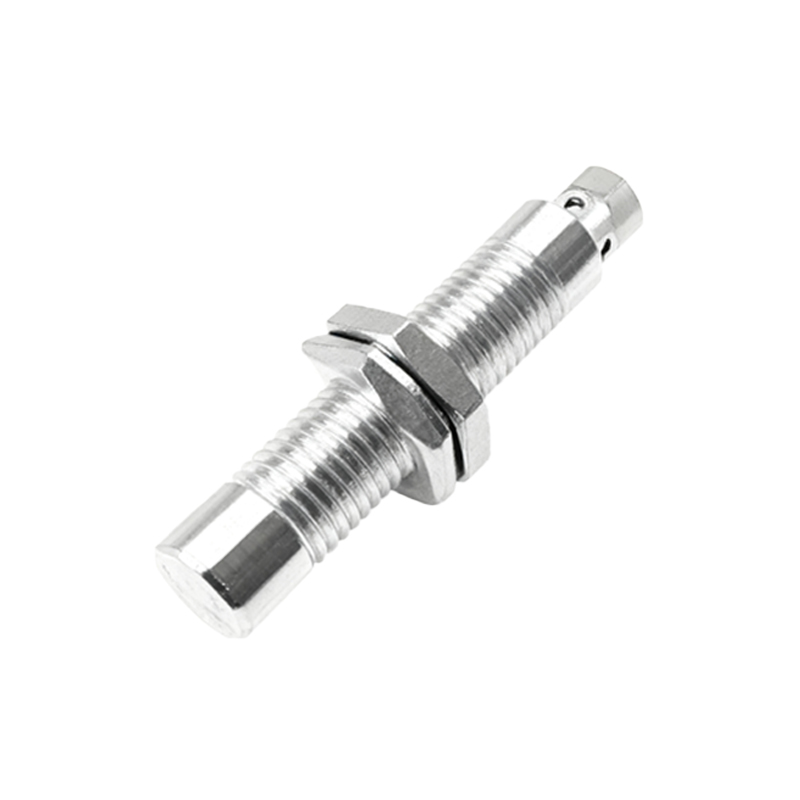
Cylinders themselves may or may not be magnetic. Standard pneumatic cylinders are usually made of aluminum or stainless steel, which are non-magnetic, but they can be equipped with magnetic pistons for sensor compatibility. Magnetic cylinders are explicitly designed for use with magnetic sensors, featuring a piston with a permanent magnet. In contrast, non-magnetic cylinders require inductive sensors or additional ferrous targets for detection.
When selecting a proximity sensor for a cylinder, consider factors like the cylinder material, operating environment, and required precision. Magnetic sensors offer advantages in harsh conditions, as they are less affected by dirt or non-metallic interference. Inductive sensors are suitable for general-purpose applications with ferrous components. Always refer to manufacturer specifications to ensure compatibility between the sensor and cylinder type.
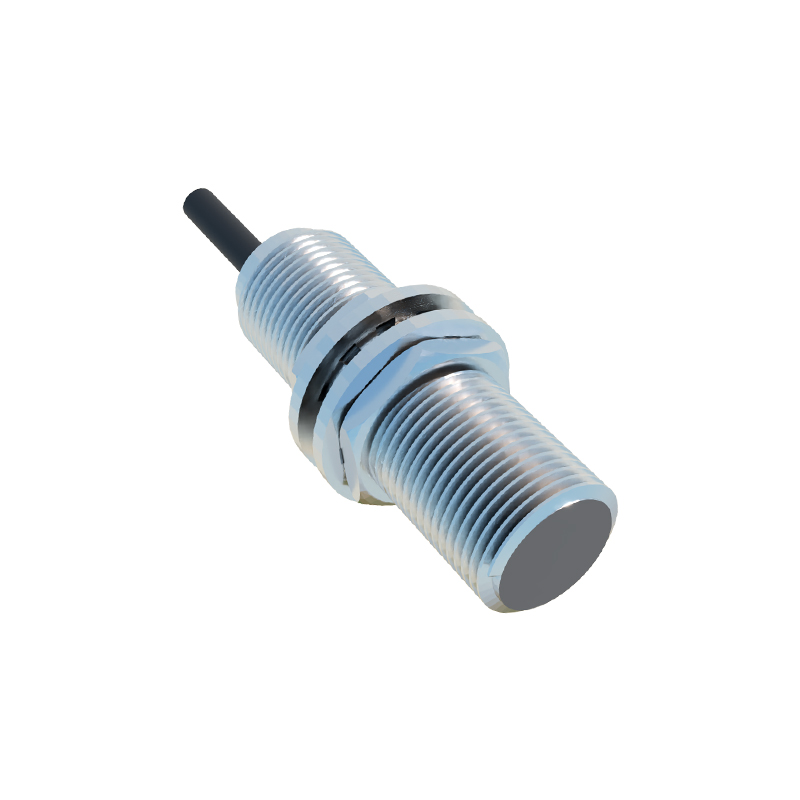
In summary, proximity switch sensors for cylinders can be magnetic or non-magnetic based on their working principle. Magnetic sensors are used with magnetic cylinders, while inductive sensors detect ferrous parts. Understanding this distinction helps optimize automation systems for efficiency and durability.