In industrial automation and harsh environment applications, proximity sensors are critical components for detecting the presence or absence of objects without physical contact. A key factor determining their reliability and longevity in demanding conditions is the housing material, specifically its ability to withstand elevated temperatures. While traditional metal enclosures offer robustness, high-temperature resistant plastic housings have emerged as a superior solution in many scenarios, offering a unique combination of performance, cost-effectiveness, and design flexibility.
The primary driver for adopting high-temperature plastics is the operational environment. Processes in automotive manufacturing, metal casting, food processing (sterilization lines), and near engines or furnaces routinely expose equipment to ambient temperatures exceeding 100°C, and often reaching 150°C or more. Standard engineering plastics like ABS or polyamide (PA 66) may soften, creep, or degrade under such thermal stress, leading to sensor failure. Therefore, material selection for the sensor housing is not an afterthought but a fundamental design criterion.
Several advanced thermoplastics are engineered to meet these challenges. Polyphthalamide (PPA), polyphenylene sulfide (PPS), and polyetheretherketone (PEEK) are among the front-runners. PPA resins offer an excellent balance of high-temperature stability (continuous use up to 150-180°C), good mechanical strength, and resistance to various chemicals and hydrolysis. This makes them suitable for under-hood automotive applications or humid, hot environments. PPS is renowned for its exceptional dimensional stability, inherent flame retardancy, and outstanding chemical resistance, maintaining properties at temperatures over 200°C. It is often the material of choice for sensors in electrical/electronic assemblies and aggressive chemical atmospheres. PEEK sits at the premium end, capable of continuous service above 250°C. It possesses superb mechanical retention at high temperatures, excellent wear resistance, and high purity, making it ideal for the most extreme conditions, such as aerospace or deep-well drilling equipment. However, its cost is significantly higher.
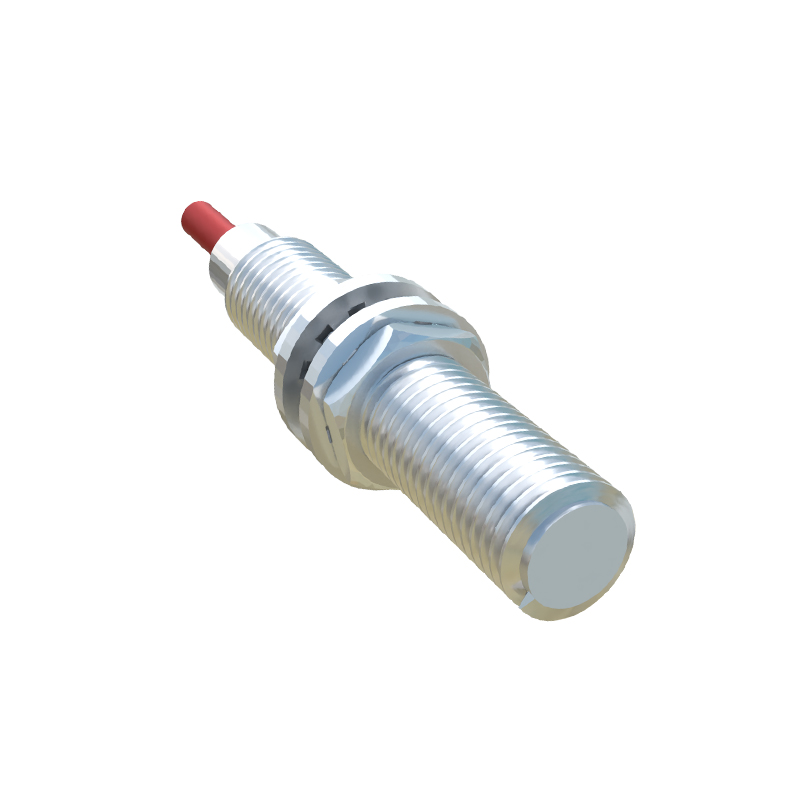
The performance of these housings extends beyond mere heat deflection temperature. Engineers must consider a holistic set of properties. Thermal aging is critical; the material must retain its mechanical integrity and color over thousands of hours of exposure. Coefficient of thermal expansion (CTE) must be compatible with internal metal and electronic components to prevent stress cracking or seal failure during thermal cycling. Many high-temp plastics also exhibit excellent dielectric strength and insulation resistance, which is vital for inductive and capacitive proximity sensors to function accurately without signal interference. Furthermore, resistance to thermal shock—sudden temperature changes—is paramount in processes like die-casting or welding.
Manufacturing and design benefits are substantial. High-performance plastics allow for complex, integrated geometries through injection molding that are difficult or expensive to achieve with metal. Features like mounting brackets, cable glands, and internal ribs for EMI shielding can be molded in one piece, reducing assembly steps and potential leak paths. The lightweight nature of plastics also reduces the overall sensor weight, easing installation and load on machinery. From a lifecycle perspective, these housings often provide superior corrosion resistance compared to metals, especially in the presence of coolants, acids, or salty atmospheres, eliminating issues like rust.
However, specifying the correct material requires careful analysis. The "maximum continuous use temperature" provided by material datasheets is a guide, but the actual in-situ temperature, presence of chemicals, mechanical load (like constant vibration), and required regulatory certifications (e.g., UL, FDA for food contact) must all be factored in. For instance, a PPS housing might be perfect for a dry, hot oven conveyor but could be less optimal in a superheated steam environment compared to PEEK.
In conclusion, the evolution of high-temperature resistant plastic housings has significantly expanded the application boundaries of proximity sensors. By enabling reliable operation in extreme thermal environments, these advanced polymers contribute directly to increased machine uptime, reduced maintenance costs, and enhanced system safety. The selection process demands a partnership between sensor manufacturers, material scientists, and end-user engineers to match the sophisticated material properties with the specific, often brutal, realities of the industrial floor. The result is a sensor that doesn't just survive but thrives where heat is a constant challenge.
SEO Keywords:high temperature plastic housing, proximity sensor housing, PPS PPA PEEK, industrial sensor durability, thermal resistance plastics
SEO Description:Explore the critical role of high-temperature resistant plastic housings for proximity sensors in harsh industrial environments. This article details material selection between PPA, PPS, and PEEK, focusing on thermal stability, mechanical performance, and design advantages for reliable sensor operation.