In the rapidly evolving landscape of industrial automation, proximity sensors stand as critical components for enabling non-contact detection, ensuring precision, safety, and efficiency. Selecting the right supplier is paramount for system integrators and OEMs, as it directly impacts the reliability and performance of automated systems. This article provides an in-depth ranking and analysis of leading proximity sensor suppliers, based on technological innovation, product range, global support, and industry reputation.
First on the list is Sick AG, a German powerhouse renowned for its high-precision sensors and robust solutions. Sick's proximity sensors, particularly in inductive and capacitive variants, are celebrated for their durability in harsh environments. Their focus on Industry 4.0 integration, with smart sensors offering IO-Link connectivity, positions them as a forward-thinking leader. The company's extensive R&D investment ensures continuous advancement in detection ranges and environmental resistance.
Omron Corporation from Japan follows closely, offering an exceptionally diverse portfolio. Omron excels in providing compact, high-performance sensors suitable for intricate assembly and packaging applications. Their E2E series of inductive proximity sensors is industry-standard, known for minimal maintenance and high-speed response. Omron’s strength lies in its holistic approach, combining sensors with controllers and safety systems, providing comprehensive automation solutions.
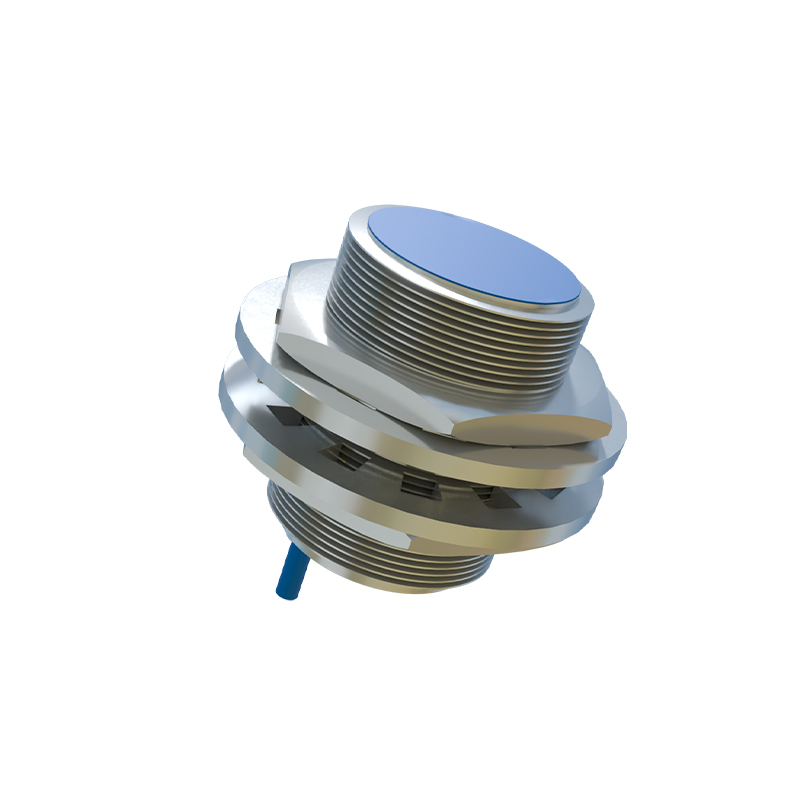
Pepperl+Fuchs, another German specialist, is highly regarded for its expertise in intrinsic safety and hazardous area applications. Their proximity sensors are engineered to meet stringent international standards (ATEX, IECEx), making them indispensable in oil & gas, chemical, and pharmaceutical industries. The company offers exceptional customization and technical support, ensuring sensors meet specific client needs for complex installations.
Balluff GmbH, also based in Germany, is recognized for innovation in miniaturization and connectivity. Their micro-proximity sensors are ideal for space-constrained applications without compromising performance. Balluff is a pioneer in RFID and industrial networking, allowing their proximity sensors to seamlessly feed data into higher-level control systems, enhancing process transparency and predictive maintenance capabilities.
Rockwell Automation (Allen-Bradley) represents a strong North American contender. While renowned for PLCs and drives, their proximity sensor lineup, particularly under the Allen-Bradley brand, is deeply integrated into their Logix ecosystem. This offers users unparalleled ease of configuration and diagnostics within a unified architecture. Their sensors are valued for reliability in heavy-duty manufacturing, such as automotive and metal fabrication.
Keyence Corporation of Japan distinguishes itself through cutting-edge technology and exceptional application support. Keyence focuses on high-value, innovative sensors with advanced features like digital amplifiers and ultra-long sensing distances. Their go-to-market strategy heavily involves direct engineer support for solving complex detection challenges, making them a preferred partner for high-mix, high-precision manufacturing.
Ifm Electronic rounds out the top tier with its strong emphasis on simplicity and efficiency. ifm's proximity sensors are designed for easy installation and setup, featuring clear diagnostic indicators (like LED status lights). They offer a vast selection of standard models with good availability, catering to a broad base of general industrial applications. Their competitive pricing and reliable performance make them a popular choice for cost-sensitive projects without sacrificing quality.
When evaluating suppliers, beyond product specs, consider factors like global distribution network, lead times, after-sales service, and digital tools for selection and configuration. The trend is moving towards smarter sensors with embedded diagnostics, communication protocols (IO-Link, Ethernet-APL), and enhanced resilience to electromagnetic interference and extreme temperatures.
In conclusion, the "best" supplier is contingent on specific application requirements—be it extreme environment tolerance, integration with a specific automation platform, need for miniaturization, or budget constraints. Sick and Pepperl+Fuchs lead in rugged and hazardous duty, Omron and Keyence in precision and innovation, Balluff in connectivity, Rockwell in system integration, and ifm in general-purpose reliability. Engaging with these suppliers' technical teams for proof-of-concept testing remains the most prudent step before finalizing a procurement decision.