Magnetic proximity sensors have become indispensable components in modern industrial automation, offering reliable non-contact detection capabilities across a wide range of applications. These sensors operate by detecting changes in magnetic fields, typically generated by permanent magnets or electromagnets, making them particularly suitable for harsh environments where traditional mechanical switches might fail.
One of the primary advantages of magnetic proximity sensors is their exceptional durability. Unlike mechanical limit switches that rely on physical contact, magnetic sensors have no moving parts that can wear out over time. This design characteristic significantly extends their operational lifespan, often exceeding millions of cycles without degradation in performance. The sealed construction of many magnetic sensors makes them resistant to dust, moisture, oil, and other contaminants commonly found in industrial settings, including manufacturing plants, automotive assembly lines, and material handling systems.
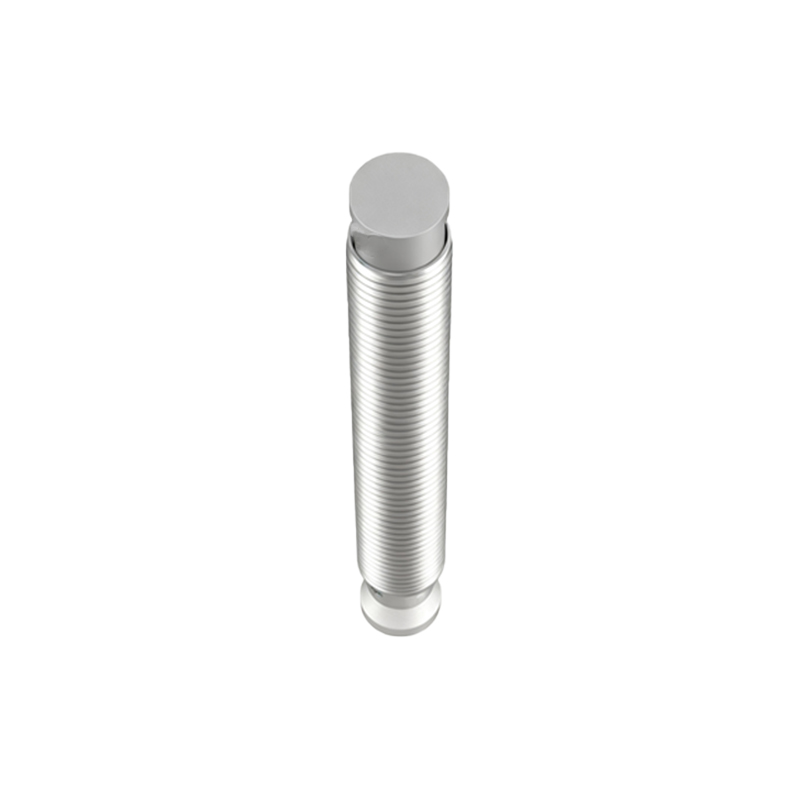
The versatility of magnetic proximity sensors is another notable benefit. They can detect ferrous metals through non-ferrous materials, allowing for unique installation configurations. For instance, sensors can be mounted externally on hydraulic cylinders while detecting the position of internal piston magnets through the aluminum or stainless steel cylinder walls. This capability enables precise position monitoring in applications where direct sensor mounting would be impractical or impossible due to space constraints or environmental conditions.
Energy efficiency represents a significant advantage of modern magnetic proximity sensors. Many contemporary models feature low-power consumption designs, making them suitable for battery-operated devices and energy-conscious applications. The development of magnetoresistive and Hall-effect technologies has further enhanced their sensitivity while maintaining minimal power requirements. Some advanced sensors now incorporate power-saving modes that activate only during detection events, extending their usefulness in remote monitoring applications.
Installation and maintenance simplicity contribute to the widespread adoption of magnetic proximity sensors. Their typically compact designs allow for easy integration into existing systems without major modifications. The non-contact nature eliminates alignment concerns associated with mechanical actuators, reducing installation time and complexity. Maintenance requirements are minimal, usually limited to periodic verification of proper operation rather than component replacement.
Accuracy and repeatability in position detection make magnetic sensors particularly valuable in precision applications. They provide consistent switching points unaffected by speed variations of target objects, ensuring reliable operation in high-speed automation processes. Modern digital output sensors offer precise switching thresholds with minimal hysteresis, enabling accurate position control in robotics, CNC machinery, and automated assembly systems.
Despite their numerous advantages, magnetic proximity sensors do have limitations that engineers must consider during system design. Their detection range is generally shorter than some other sensing technologies, typically limited to a few centimeters depending on magnet strength and sensor sensitivity. They primarily detect ferromagnetic materials, making them unsuitable for applications involving non-ferrous metals or non-metallic objects unless specially designed magnets are incorporated. Temperature variations can affect magnetic properties and sensor performance, though many industrial-grade sensors include temperature compensation circuits to mitigate this effect.
The evolution of magnetic sensing technology continues to address these limitations while expanding application possibilities. Smart sensors with integrated diagnostics, wireless connectivity, and programmable parameters are becoming increasingly common. These advanced features enable predictive maintenance capabilities, remote monitoring, and adaptive control systems that respond to changing operational conditions.
In safety-critical applications, magnetic proximity sensors offer reliable performance that meets international safety standards. Their fail-safe designs and predictable failure modes make them suitable for emergency stop systems, safety interlocks, and position verification in hazardous environments. The inherent isolation between sensing elements and electrical contacts provides additional protection against electrical interference and potential short circuits.
Cost-effectiveness remains a compelling reason for choosing magnetic proximity sensors in many applications. While initial costs might be higher than basic mechanical switches, their extended lifespan and reduced maintenance requirements often result in lower total cost of ownership. The prevention of downtime through reliable operation further enhances their economic value in production environments where equipment failures can lead to significant financial losses.
As industrial automation continues to advance toward Industry 4.0 standards, magnetic proximity sensors are evolving to meet new connectivity and intelligence requirements. Integration with Industrial Internet of Things (IIoT) platforms, compatibility with various industrial communication protocols, and enhanced diagnostic capabilities position these sensors as fundamental components in smart manufacturing ecosystems. Their ability to provide reliable data in challenging environments makes them essential elements in the digital transformation of industrial operations.
The selection of appropriate magnetic proximity sensors requires careful consideration of application-specific factors including required sensing distance, environmental conditions, target material characteristics, and output requirements. Consulting technical specifications and application guidelines from reputable manufacturers ensures optimal sensor performance and system reliability. Proper installation following manufacturer recommendations maximizes sensor lifespan and maintains detection accuracy throughout the operational period.