Proximity sensors designed for wire electrodes play a critical role in modern industrial automation, particularly in applications involving electrical discharge machining (EDM), wire cutting, and precision manufacturing. These sensors detect the presence or absence of a conductive wire electrode without physical contact, ensuring operational accuracy, preventing collisions, and enhancing process reliability.
The core principle behind wire electrode proximity sensors involves electromagnetic or capacitive sensing technologies. Electromagnetic sensors generate an oscillating electromagnetic field; when a conductive wire electrode enters this field, eddy currents are induced, altering the oscillation amplitude and triggering a detection signal. Capacitive sensors, on the other hand, measure changes in capacitance caused by the proximity of the electrode, making them suitable for both conductive and non-conductive materials. The choice between these technologies depends on factors such as the electrode material, environmental conditions, and required sensing distance.
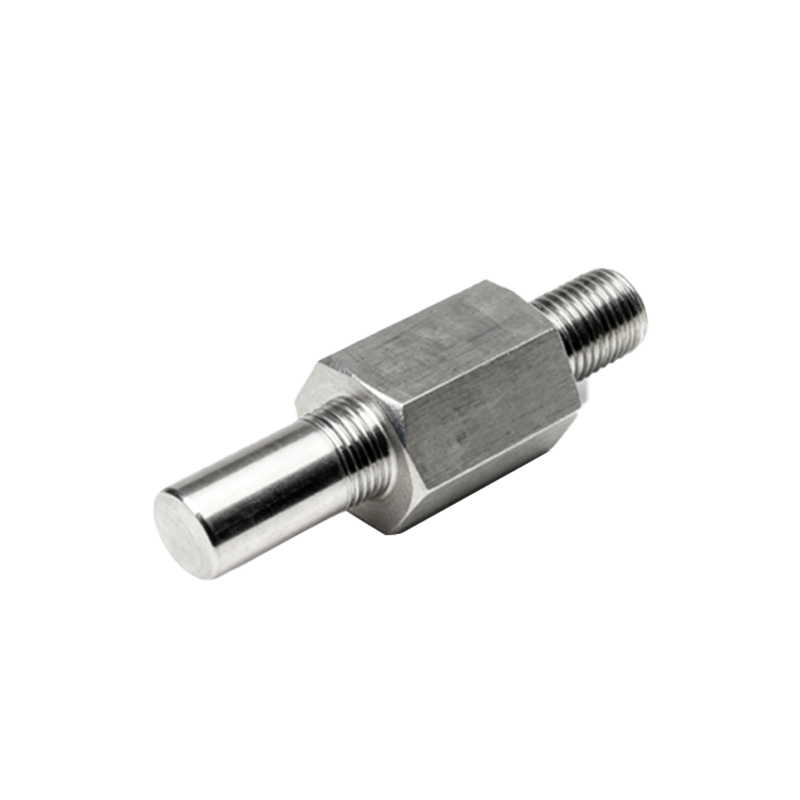
Key features of high-quality proximity sensors for wire electrodes include high sensitivity, fast response times, and robust construction to withstand harsh industrial environments. Many sensors offer adjustable sensing ranges, allowing customization for specific wire diameters and positioning requirements. For instance, in EDM processes, sensors monitor the gap between the electrode and workpiece, maintaining optimal distance for efficient spark erosion and minimizing wire breakage. This not only improves machining precision but also extends tool life and reduces downtime.
Installation and calibration are crucial for optimal performance. Sensors must be mounted securely to avoid vibrations that could cause false readings. Proper shielding is often necessary to prevent interference from nearby electrical equipment or other electromagnetic sources. Regular maintenance, including cleaning sensor faces and checking wiring connections, ensures long-term reliability. Advanced models incorporate self-diagnostic functions, alerting operators to potential issues like contamination or misalignment before they lead to process failures.
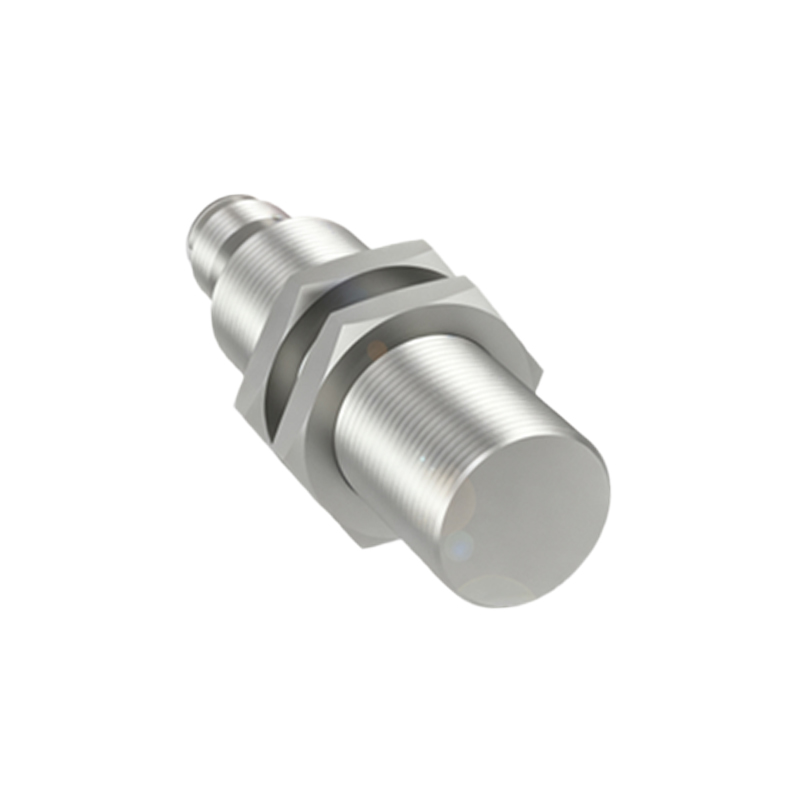
Applications extend beyond traditional machining. In robotic welding systems, proximity sensors guide wire electrodes to exact starting points, ensuring consistent weld quality. In the electronics industry, they assist in wire bonding processes by detecting fine wires with micron-level accuracy. The integration of these sensors with programmable logic controllers (PLCs) and industrial networks enables real-time monitoring and data logging, facilitating predictive maintenance and process optimization.
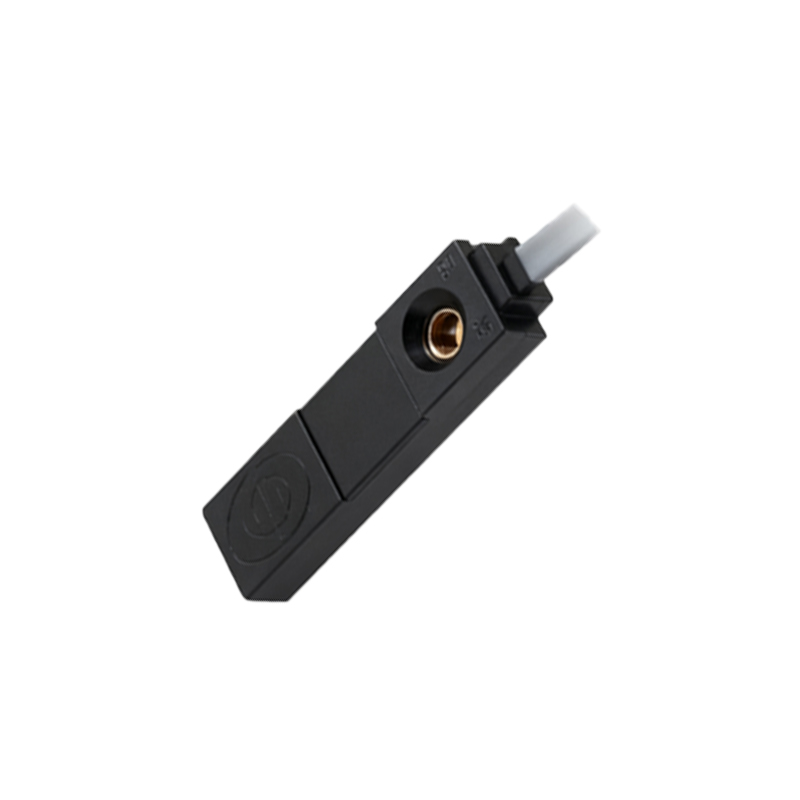
Despite their advantages, challenges such as temperature fluctuations, material variations, and electromagnetic interference can affect sensor performance. Selecting sensors with appropriate IP ratings for dust and moisture resistance, along with temperature compensation features, mitigates these issues. Future trends point toward miniaturization, increased intelligence with IoT connectivity, and enhanced adaptability to diverse electrode materials, including advanced composites and coated wires.
In summary, proximity sensors for wire electrodes are indispensable components in precision industrial systems. Their ability to provide non-contact detection improves safety, efficiency, and product quality. Engineers must consider technical specifications, environmental factors, and application-specific needs when selecting and deploying these sensors to achieve optimal results in automated manufacturing environments.