In the commercial food equipment industry, the reliability and precision of machinery components are paramount. Among these, proximity switch sensors play a critical yet often understated role in modern ice cream machines. These non-contact sensors are integral to automating processes, enhancing safety, and maintaining consistent product quality in high-volume production environments.
Proximity sensors in ice cream machines primarily function as position detectors. They are strategically installed to monitor the movement and position of key components, such as the dasher (agitator), mix cylinder, and dispensing mechanisms. For instance, a common application involves sensing the rotational position of the dasher. By detecting a metallic target on the rotating shaft, the sensor ensures the dasher is in the correct "home" position before initiating a freeze cycle or a cleaning sequence. This prevents mechanical collisions and potential damage to the delicate freezing cylinder.
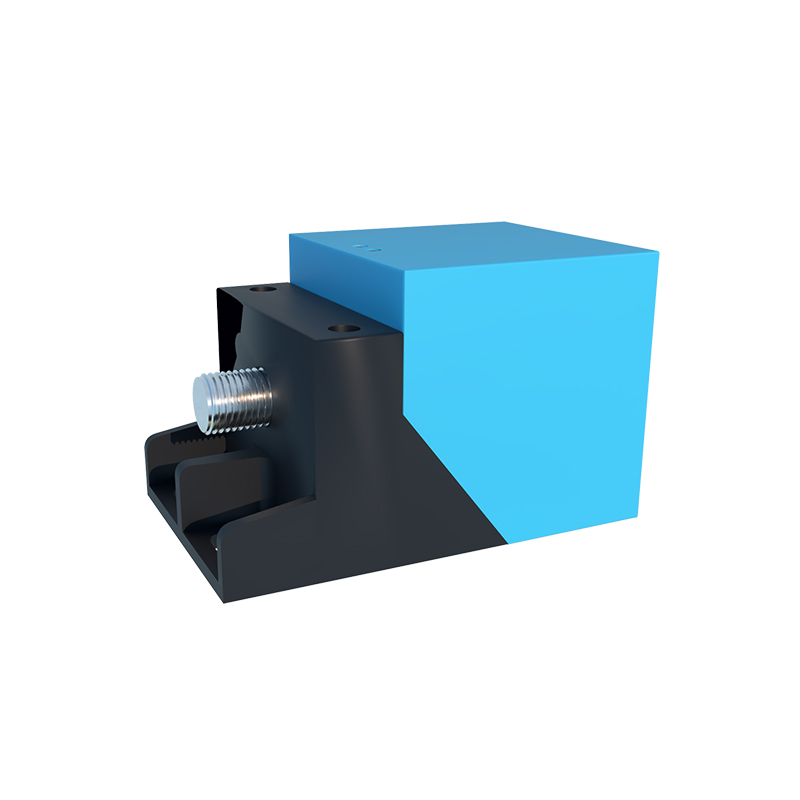
The choice of sensor technology is crucial. Inductive proximity sensors are predominantly used due to their robustness and ability to detect metallic targets—typically stainless steel components prevalent in food-grade machinery. These sensors are hermetically sealed to withstand the harsh operating conditions, including low temperatures, moisture, and frequent washdowns with cleaning agents. Their non-contact nature eliminates mechanical wear, offering a significant advantage over traditional limit switches, thereby reducing maintenance downtime.
Another vital function is in the overrun control system—the process of incorporating air into the ice cream mix. Precise control of air injection is essential for achieving the desired texture and consistency. Proximity sensors can monitor piston or valve positions within the air incorporation unit, providing real-time feedback to the programmable logic controller (PLC). This closed-loop control allows for fine adjustments, ensuring each batch meets strict quality specifications for overrun percentage.
In soft-serve dispensing machines, proximity sensors enhance user safety and portion control. They can detect the presence of a cup or cone at the dispensing nozzle. Only when a valid target is sensed will the machine allow the dispensing lever to be activated, preventing accidental spills and product waste. Furthermore, sensors can monitor the level of the mix in the hopper, triggering automatic refill alerts or shutting down the machine to prevent air ingestion and texture degradation.
Installation and calibration require careful attention. The sensor must be positioned with the correct gap (sensing distance) from the target, as specified by the manufacturer. Factors like target material, size, and temperature can affect performance. Regular verification is part of preventative maintenance schedules. Technicians should check for sensor output stability, cleanliness of the sensing face, and the integrity of electrical connections to avoid false triggers or failure-to-detect faults.
Looking ahead, integration with Industrial Internet of Things (IIoT) platforms is an emerging trend. Smart proximity sensors with IO-Link communication can transmit detailed diagnostic data—such as operating hours, temperature exposure, and signal strength—to centralized monitoring systems. This predictive maintenance capability allows service teams to address potential sensor failures before they cause production halts, maximizing equipment uptime.
In conclusion, proximity switch sensors are indispensable for the automated, efficient, and safe operation of commercial ice cream machines. Their role in position sensing, process control, and safety interlocking directly impacts product consistency, operational cost, and equipment longevity. As technology advances, these components will continue to evolve, offering even greater intelligence and reliability for the demanding food service industry.