In the world of industrial automation and machinery, proximity sensors are indispensable components. They detect the presence or absence of an object without physical contact, enabling critical functions in assembly lines, robotic systems, and safety mechanisms. A common and crucial question for engineers, procurement specialists, and plant managers is: "How do I find a good price for a proximity sensor without compromising on performance or reliability?" The answer is not a single price point but a strategic approach to value optimization.
Firstly, it's essential to understand that the price of a proximity sensor is not arbitrary. It is a direct reflection of its specifications, build quality, and intended application. Key factors influencing cost include:
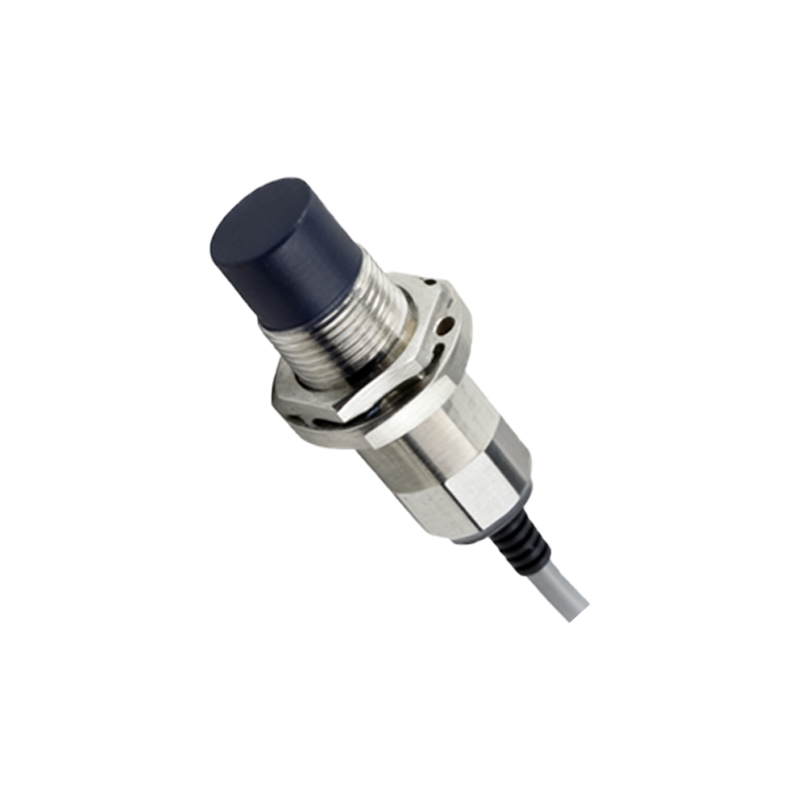
Sensing Technology: Inductive, capacitive, ultrasonic, and photoelectric sensors all have different price ranges. Inductive sensors, for detecting metals, are often the most cost-effective for standard metal detection tasks. Capacitive sensors, which can detect non-metals, or specialized long-range or analog-output sensors, command a higher price.
Performance Specifications: Sensing range, switching frequency, repeat accuracy, and housing material (e.g., stainless steel vs. PBT plastic) significantly impact cost. A sensor with a 15mm range will typically cost less than one with a 40mm range from the same series.
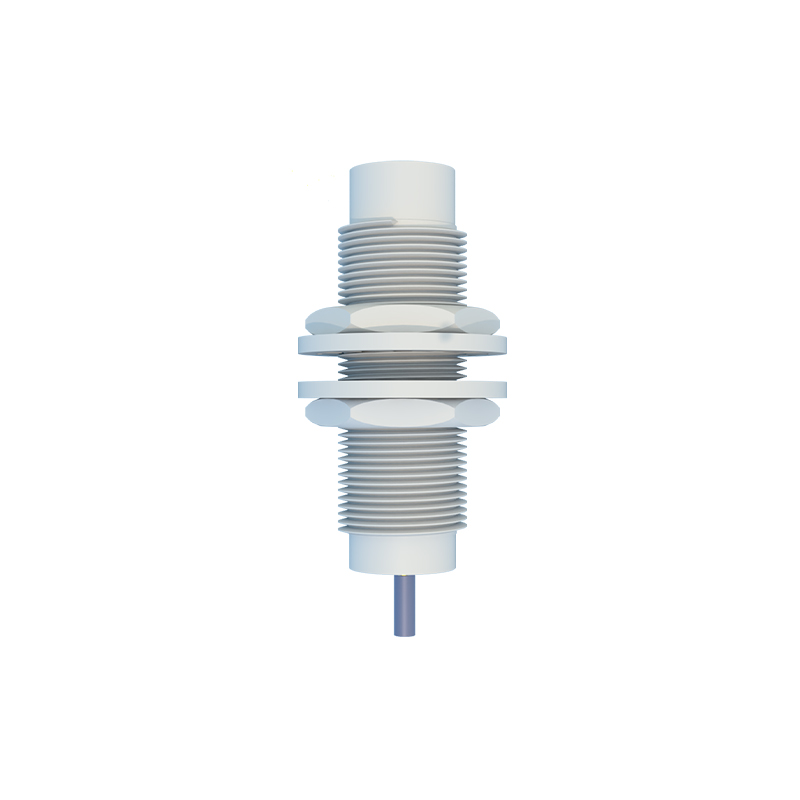
Environmental Ratings: Sensors rated IP67, IP68, or IP69K for dust and water ingress protection, or those designed for extreme temperatures or high-pressure washdowns, involve more robust construction and sealing, thus increasing the price.
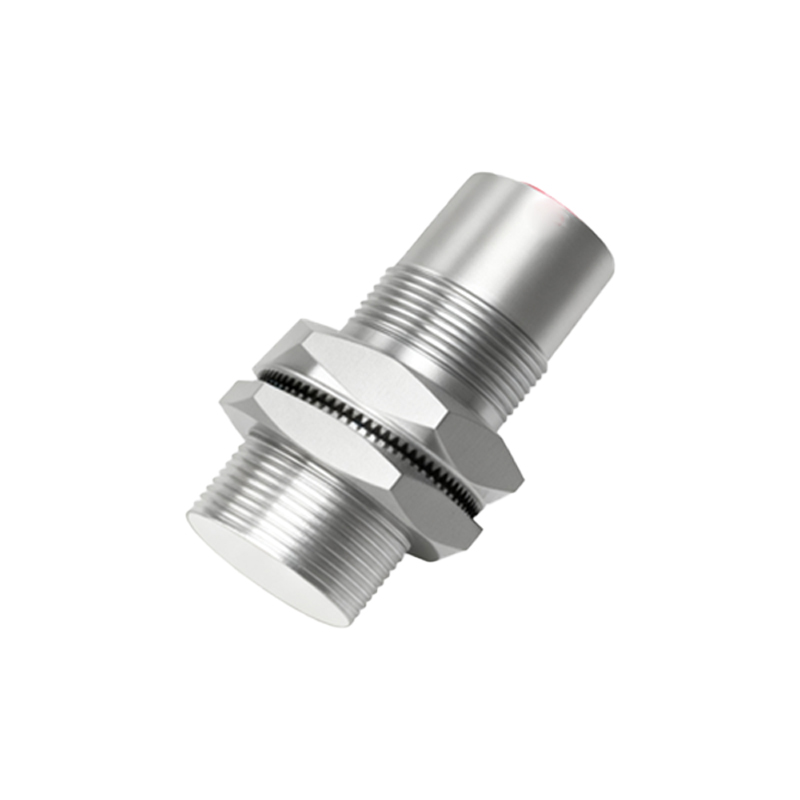
Output Type and Wiring: Standard 3-wire DC PNP/NPN outputs are common. Sensors with analog outputs (4-20mA, 0-10V), IO-Link communication, or special safety-rated outputs (e.g., for SIL2/PLd applications) are premium products.
Brand and Supply Chain: Established global brands (e.g., Siemens, Omron, Pepperl+Fuchs, Sick, Balluff) often carry a price premium associated with proven reliability, extensive R&D, and global support. However, several reputable second-tier or specialized manufacturers offer highly competitive and reliable alternatives.
So, what constitutes a "good price"? It is the optimal balance between acquisition cost and total cost of ownership (TCO). A cheap sensor that fails prematurely, causes machine downtime, or requires frequent replacement is ultimately far more expensive than a higher-priced, reliable unit.
Here is a strategic framework for securing the best value:
1. Precise Application Definition: Never over-specify. Clearly define the target material, required sensing distance, environmental conditions (temperature, chemicals, washdown), needed response speed, and output signal. Choosing a sensor that exactly meets your requirements avoids paying for unnecessary capabilities.
2. Standardization and Consolidation: Within a facility, standardizing on a few sensor models from one or two manufacturers can lead to significant volume discounts, simplify maintenance, and reduce spare parts inventory.
3. Evaluate the Total Supply Package: Price is more than the unit cost. Consider the supplier's lead time, technical support availability, warranty terms, and return policies. A local distributor with strong engineering support might offer better long-term value than a distant low-cost online vendor.
4. Consider Alternative Brands: While top-tier brands are benchmarks, many excellent manufacturers provide high-quality sensors at lower price points. Research and request samples for testing. Often, these sensors meet or exceed standard industrial requirements.
5. Leverage Volume and Long-Term Agreements: For large projects or ongoing consumption, negotiate directly with manufacturers or authorized distributors. Long-term supply agreements can lock in favorable pricing.
6. Lifecycle Cost Analysis: Factor in mean time between failures (MTBF), ease of installation, and compatibility with existing systems. A sensor that is easy to mount and wire can save considerable labor costs.
In conclusion, the quest for a "good price" on proximity sensors is an engineering and procurement exercise, not just a shopping trip. The most economical choice is rarely the cheapest sticker price. It is the sensor that delivers unwavering reliability, fits the application perfectly, minimizes downtime, and is sourced from a competent supply partner. Investing time in precise specification, supplier evaluation, and lifecycle cost calculation is the most reliable method to ensure you pay a good price for a great sensor, securing both operational efficiency and bottom-line savings.