In the high-stakes world of industrial automation, particularly within sectors like oil and gas, chemical processing, mining, and grain handling, the margin for error is virtually zero. At the heart of safeguarding these volatile environments lies a critical component: the explosion-proof proximity sensor. Manufacturing these devices is not merely an act of assembly; it is a rigorous discipline that merges advanced electrical engineering with an uncompromising commitment to intrinsic safety and robust mechanical design. This article explores the intricate world of explosion-proof proximity sensor production, detailing the processes, standards, and engineering philosophies that define a top-tier manufacturing facility.
The journey begins with a foundational principle: understanding the hazard. Explosive atmospheres are classified into zones based on the frequency and duration of the presence of flammable gases, vapors, mists, or combustible dusts. Sensors designed for Zone 0, 1, 20, or 21 require the highest levels of protection. Consequently, a premier manufacturer's first step is deep collaboration with clients to ascertain the exact application, hazardous substance, and zone classification. This dictates every subsequent design and material choice.
Engineering and design form the core of the process. Using sophisticated CAD and simulation software, engineers design sensor housings that can contain any internal spark or thermal effect without igniting the surrounding atmosphere. This is achieved through several key methods. Flameproof Enclosures (Ex d) are engineered with precisely machined gaps and robust walls that cool any escaping gases below the ignition temperature. Intrinsic Safety (Ex i) designs limit the electrical energy within the circuit to levels too low to cause ignition, even under fault conditions. Encapsulation (Ex m) and Pressurization (Ex p) are other common techniques. The housing material is paramount, typically employing high-grade stainless steel (like 316L for corrosive environments), brass, or specialized polymers, all selected for strength, corrosion resistance, and non-sparking properties.
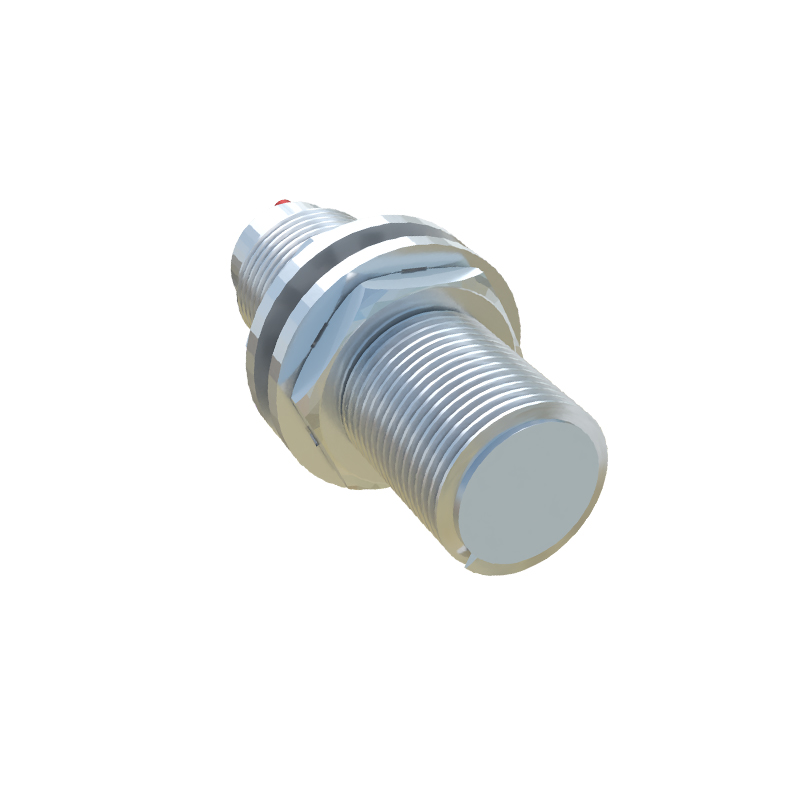
The manufacturing floor is a testament to precision. CNC machining centers operate with micron-level accuracy to create the complex flame paths and threaded joints critical for flameproof enclosures. These threads are not standard; they are specific, length-matched, and meticulously cleaned to ensure a perfect seal. Every component, from the sensing face to the cable gland entry, is subject to stringent quality checks. The sensing element itself—whether inductive, capacitive, or magnetic—is calibrated to detect targets with high repeatability while being shielded from electromagnetic interference common in industrial settings.
Assembly is conducted in controlled environments to prevent contamination. Skilled technicians, following rigorous protocols, integrate the sensing coil, oscillator circuit, and output switching components. Potting compounds, used in encapsulated designs, are carefully poured and cured to form a solid, protective barrier. Wiring and connections are secured to withstand extreme vibration, a constant in many industrial settings. The integration of advanced diagnostics, like short-circuit and overload protection, and IO-Link communication for smart factory integration, is now standard in modern designs from leading manufacturers.
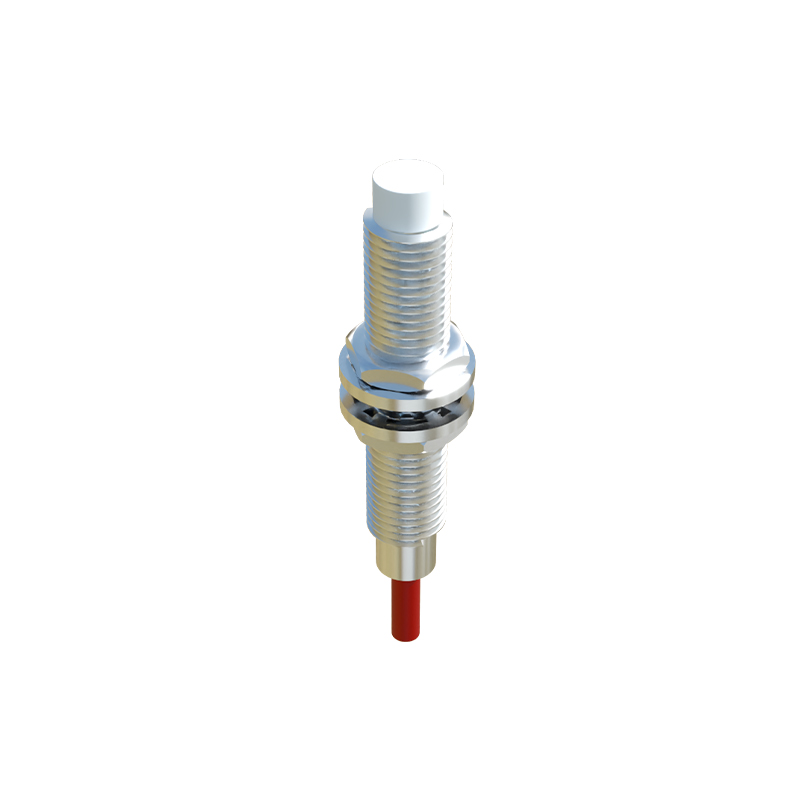
However, manufacturing is only half the story. Certification is the ultimate validator. Reputable manufacturers subject their sensors to exhaustive testing by independent, accredited bodies such as UL, ATEX, IECEx, or CSA. These tests include exposure to explosive mixtures, endurance under extreme temperatures and pressures, and assessments of impact resistance. A sensor bearing the ATEX or IECEx mark is not just a product; it is a certified promise of safety. Continuous audit trails, documenting every material lot and production step, are maintained to ensure traceability and compliance throughout the product lifecycle.
Finally, the relationship with the end-user extends beyond the sale. Expert manufacturers provide comprehensive support, including hazardous area classification assistance, installation guidance to maintain certification integrity, and detailed maintenance protocols. They understand that a sensor is a vital link in the safety chain, and its failure is not an option.
In conclusion, an explosion-proof proximity sensor manufacturing plant is more than a factory; it is a center of safety engineering excellence. It embodies a culture where precision machining, advanced electronics, and an unwavering adherence to global safety standards converge. The resulting products are silent guardians, enabling automation and efficiency while providing the fundamental protection that keeps personnel, facilities, and the environment safe from catastrophic events. The investment in such high-fidelity manufacturing is, ultimately, an investment in operational continuity and human safety.