In the landscape of industrial automation and control systems, proximity sensors are indispensable. They provide non-contact detection of objects, enabling precise, reliable, and maintenance-free operation in harsh environments. However, the direct procurement and integration of specific sensor models from original manufacturers can sometimes be logistically complex, costly, or time-consuming. This is where the concept of a "proximity sensor proxy" or alternative comes into play. This article delves into the performance, selection criteria, and practical implications of using proxy or equivalent proximity sensors in demanding industrial settings.
Fundamentally, a proximity sensor proxy refers to a sensor that is functionally interchangeable with another model, typically from a different manufacturer. It aims to replicate the key performance characteristics—such as sensing range, output type (PNP/NPN, NO/NC), physical dimensions, mounting style, and electrical specifications—of a specified "original" sensor. The primary drivers for considering proxies are cost reduction, improved supply chain flexibility, and reduced machine downtime when the primary sensor is discontinued or unavailable.
So, how do these proxy sensors measure up? The assessment must be multi-faceted.
Performance and Reliability: High-quality proxy sensors from reputable alternative suppliers can indeed match or occasionally exceed the performance of originals. Critical parameters like repeat accuracy, temperature stability, and switching frequency are often on par. For instance, a proxy inductive sensor designed to replace a common industry-standard model will typically offer the same 2mm, 5mm, or 8mm sensing distances with similar embedded ferrous/non-ferrous metal correction. However, the devil is in the details. Long-term reliability under extreme conditions—constant vibration, chemical exposure, or washdown environments—can vary. Premium original manufacturers invest heavily in material science (e.g., specific grades of PBT or stainless steel housings) and proprietary ASIC design, which some proxies may not fully replicate. The mean time between failures (MTBF) data for proxies might be less extensive or verified.
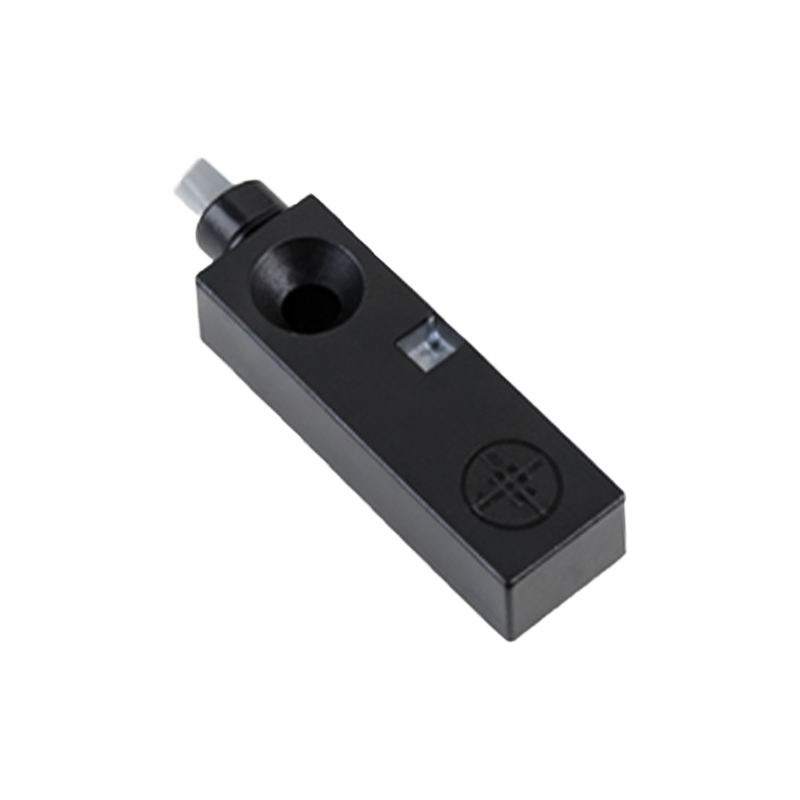
Electrical and Mechanical Compatibility: This is the strongest suit of a well-designed proxy. Electrical compatibility is usually flawless; a 3-wire DC 10-30V PNP normally-open proxy sensor will interface directly with the same PLC input card as the original. Mechanical form factors, thread sizes (e.g., M8, M12, M18, M30), and connector types (e.g., M12 4-pin) are precisely copied, ensuring drop-in replacement. This mechanical interchangeability is a non-negotiable requirement for any viable proxy.
Certifications and Standards: Industrial sensors require certifications like UL, CE, ATEX (for hazardous areas), or IP ratings (e.g., IP67, IP69K). Reputable proxy sensor manufacturers will obtain these certifications, but it is imperative to verify that the certifications are authentic, current, and match the required standards for the application. Using an uncertified proxy in a safety-related or explosive atmosphere is a severe risk.
Cost-Benefit Analysis: Cost savings are significant, often ranging from 20% to 50% less than OEM parts. This can drastically reduce the bill of materials for large-scale projects or maintenance inventories. The benefit extends beyond unit price to include availability. A robust network of proxy suppliers can prevent production halts. However, the total cost of ownership must include potential risks: slightly higher failure rates could lead to more frequent downtime, negating initial savings. For non-critical applications or high-volume, cost-sensitive installations, proxies present an excellent value proposition.
Selection Best Practices: Engineers should not select proxies based on price alone. A rigorous process is advised:
1. Audit the Supplier: Choose established alternative brands with proven track records in industrial components. Review technical documentation, test reports, and customer testimonials.
2. Request Samples: Always test proxy samples in the actual application or a simulated bench test. Verify sensing consistency, response time, and behavior with the target materials.
3. Verify Specifications Meticulously: Cross-check every parameter on the data sheet against the original—not just the headline figures but also hysteresis, voltage drop, and leakage current.
4. Consider the Application Criticality: For a critical positioning sensor on a high-speed packaging line, the premium for the OEM part might be justified. For a simple part-present detection on a conveyor, a reliable proxy is often more than adequate.
In conclusion, proxy proximity sensors are a highly viable and intelligent option in many industrial scenarios. Their quality spectrum is broad, from exceptional to subpar. The key to success lies in informed, diligent selection and qualification. They are not a universal "cheap fix" but a strategic component in supply chain and cost management. When sourced and validated correctly, a proxy sensor performs its core function—detecting an object's