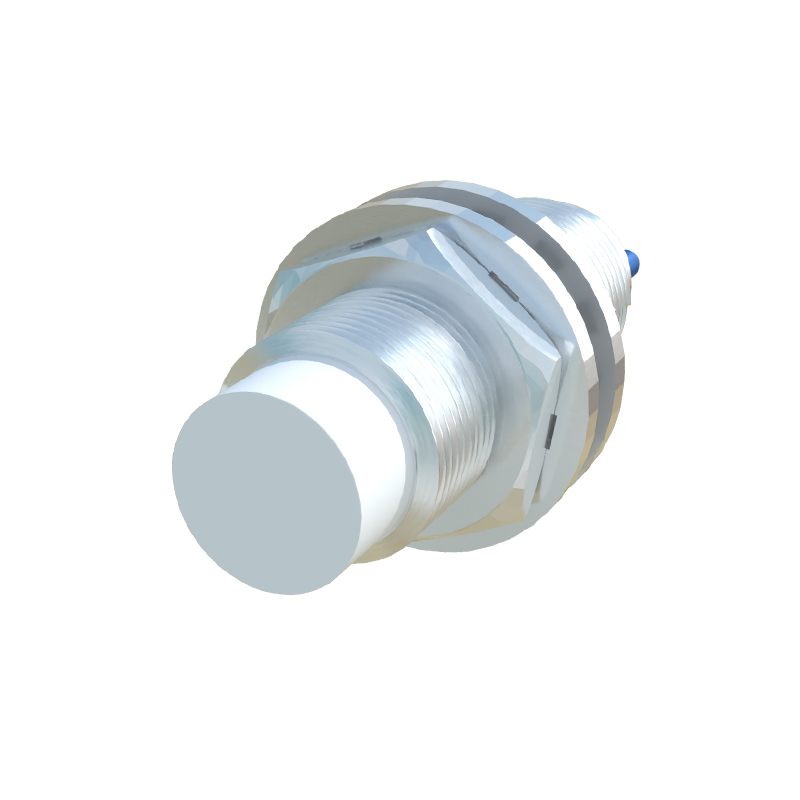
In the intricate ecosystem of industrial automation and control systems, proximity sensors stand as fundamental components, enabling non-contact detection of metallic and, in some cases, non-metallic objects. Their role in ensuring precision, reliability, and efficiency in machinery is paramount. Consequently, the selection of a proficient proximity sensor distributor or agent is not merely a procurement decision but a strategic partnership that impacts operational continuity, technological advancement, and bottom-line performance. This article delves into the critical considerations for engaging with proximity sensor distributors, from technical specifications to commercial logistics, tailored for electrical engineers, system integrators, and procurement specialists.
The primary function of a proximity sensor distributor extends beyond inventory holding. A top-tier agent serves as a technical conduit between the original equipment manufacturer (OEM) and the end-user. They possess in-depth knowledge of sensor technologies—be it inductive, capacitive, ultrasonic, or photoelectric. An experienced distributor can guide clients through nuanced selection criteria, such as sensing distance, frequency response, output type (PNP/NPN, analog, IO-Link), housing material (e.g., stainless steel for harsh environments), and environmental ratings (IP67, IP69K). They understand that a sensor suitable for a clean, temperature-controlled packaging line may fail catastrophically in a welding cell with high electromagnetic interference and metallic dust. Therefore, their value lies in application engineering support, helping to mitigate costly misapplications and downtime.
From a supply chain perspective, reliability is non-negotiable. A reputable distributor maintains a robust inventory of key product lines from leading manufacturers like Siemens, Omron, Pepperl+Fuchs, Balluff, and IFM. This ensures availability for both planned projects and urgent replacement needs. However, inventory breadth must be matched by logistical competence. Factors such as order fulfillment speed, shipping reliability, and geographic coverage are critical. In today's globalized operations, a distributor with a networked warehouse system can provide consistent service across multiple plant locations, simplifying procurement and reducing administrative overhead.
Furthermore, the commercial relationship with a distributor encompasses more than unit price. Total cost of ownership (TCO) is a more accurate metric. This includes the sensor's lifespan, mean time between failures (MTBF), compatibility with existing control systems, and the ease of integration. A distributor offering comprehensive value-added services—such as sensor configuration, pre-shipment testing, kitting, and vendor-managed inventory (VMI) programs—can significantly reduce hidden costs. Their ability to provide detailed technical documentation, CAD models, and certification files (e.g., ATEX, UL) streamlines the design and compliance phases of a project. Negotiating favorable payment terms, volume discounts, and return policies also falls within the scope of a strong distributor partnership.

The technological landscape is rapidly evolving with Industry 4.0 and the Industrial Internet of Things (IIoT). Modern proximity sensors are increasingly intelligent, featuring diagnostic capabilities, predictive maintenance data, and seamless network integration via protocols like PROFINET, EtherNet/IP, or IO-Link. A forward-thinking distributor is not just a parts supplier but a technology advisor. They should be proactive in educating the market about these advancements, offering training sessions, webinars, and demonstration units. Their technical staff must be capable of supporting integration of smart sensors into broader data acquisition and analytics platforms, helping clients unlock operational insights and move towards condition-based maintenance.
Selecting the right partner requires due diligence. Evaluate a distributor's technical expertise through direct consultation on a challenging application. Assess their financial stability and market reputation through references and industry forums. Scrutinize their official authorization status from OEMs to guarantee genuine products and full manufacturer support. The ideal proximity sensor agent acts as a true extension of your engineering team, combining product access with problem-solving acumen to enhance system resilience and innovation. In a sector where milliseconds and microns matter, the caliber of your supply chain partners is a direct contributor to competitive advantage.