In modern electrical engineering and building automation, the demand for efficient, responsive, and energy-saving lighting systems has never been higher. A key technology driving this evolution is the use of proximity sensors, particularly those enhanced with sub-intelligent capabilities for human presence detection. This article delves into the principles, applications, and benefits of sub-intelligent human presence sensors in automated lighting, tailored for industry professionals.
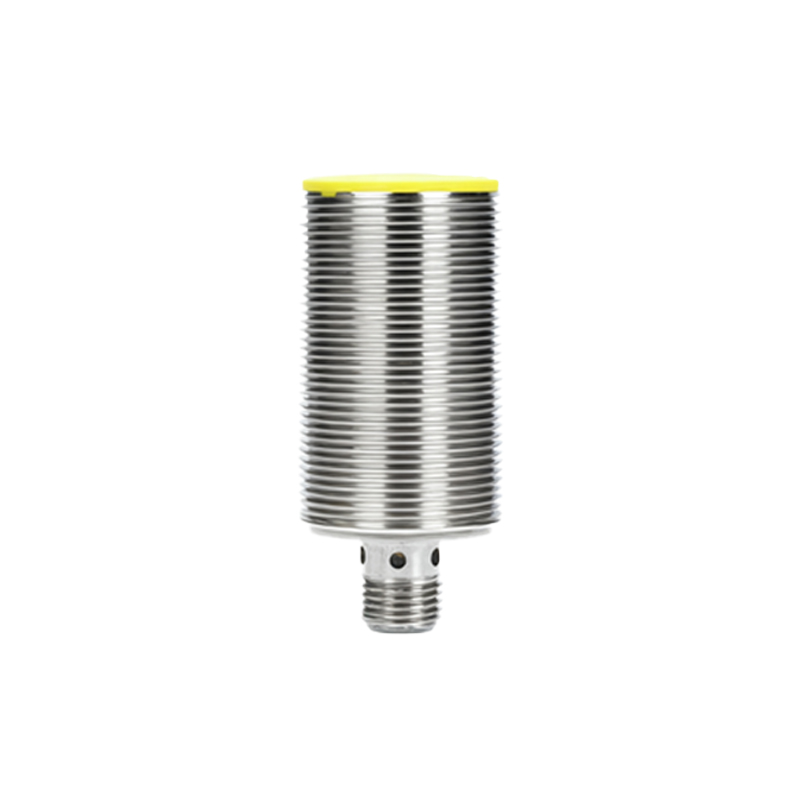
Proximity sensors, in their essence, are devices that detect the presence or absence of an object within a specific range without physical contact. Common types include infrared (IR), ultrasonic, capacitive, and microwave sensors. When integrated into lighting systems, these sensors trigger lights to turn on or off based on detected motion or presence. However, traditional motion sensors often fall short in scenarios requiring nuanced detection—such as distinguishing between human presence and other movements, or maintaining illumination in stationary but occupied spaces. This is where sub-intelligent human presence sensors come into play.
Sub-intelligent sensors, sometimes referred to as "smart" or "adaptive" sensors, incorporate basic algorithmic processing to enhance detection accuracy. Unlike simple binary sensors, they analyze patterns—like heat signatures, movement trajectories, or duration of presence—to make more informed decisions. For instance, a sub-intelligent IR sensor might differentiate between a passing pet and a human, reducing false triggers. In lighting applications, this means lights can remain on in a room where a person is sitting still (e.g., reading or working) and turn off only after a prolonged absence, optimizing both convenience and energy use.
The integration of these sensors into lighting systems involves several technical considerations. First, sensor placement is critical: mounting height, angle, and coverage area must align with the room's layout and usage patterns. In offices, sensors are often ceiling-mounted to cover open-plan areas, while in residential settings, they might be installed near entryways or workstations. Second, connectivity is key—modern systems use protocols like Zigbee, Bluetooth Low Energy (BLE), or wired connections to interface with lighting controllers and building management systems. This allows for centralized monitoring and adjustments, such as setting sensitivity levels or scheduling operation times.

From an energy efficiency standpoint, sub-intelligent human presence sensors offer significant advantages. Studies show that automated lighting can reduce energy consumption by 30% to 50% in commercial buildings by eliminating waste from lights left on in unoccupied rooms. Moreover, these sensors contribute to occupant comfort and productivity. In workplaces, consistent and responsive lighting reduces eye strain and supports circadian rhythms, while in homes, it enhances security and convenience—for example, lights automatically turning on when someone approaches a dark hallway at night.
Challenges persist, however. False negatives (failing to detect a present person) or false positives (triggering lights unnecessarily) can occur due to sensor limitations or environmental factors like sunlight interference or obstructions. To mitigate this, engineers recommend using multi-technology sensors—combining, say, IR and ultrasonic detection—for redundancy and higher accuracy. Regular maintenance, including cleaning lenses and updating firmware, is also essential for long-term reliability.
Looking ahead, the convergence of sub-intelligent sensors with the Internet of Things (IoT) and artificial intelligence (AI) promises even smarter lighting solutions. Future systems may learn occupancy patterns over time, predict user behavior, and integrate with other building systems (e.g., HVAC) for holistic energy management. As the industry moves toward greener buildings and smarter cities, the role of advanced proximity sensing in lighting will only grow more pivotal.
In summary, sub-intelligent human presence sensors represent a sophisticated leap in automated lighting technology. By blending precise detection with adaptive logic, they deliver tangible benefits in energy savings, user experience, and operational efficiency. For electrical engineers and automation specialists, staying abreast of these developments is crucial for designing next-generation lighting systems that are both intelligent and intuitive.