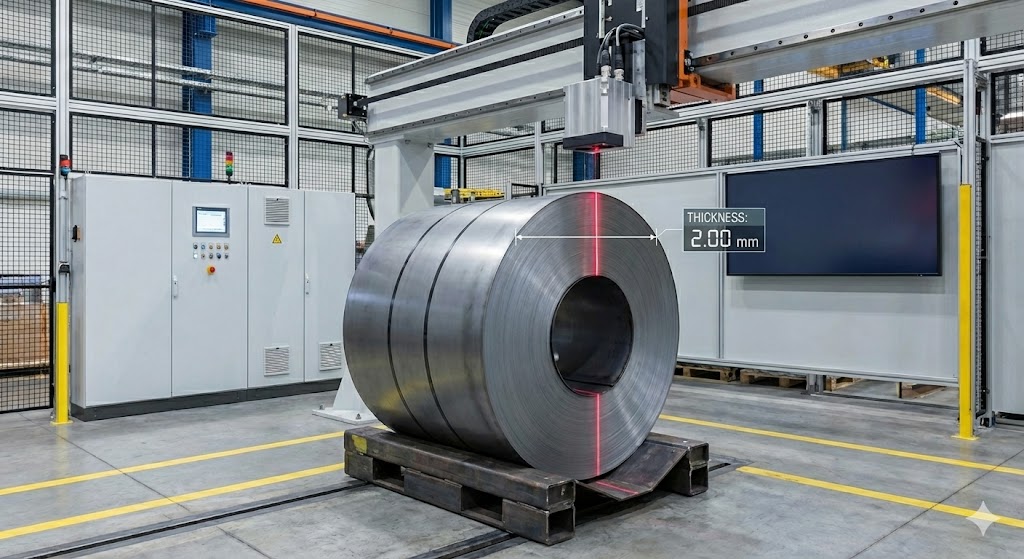
Laser sensors have become indispensable components in modern industrial automation, offering unparalleled precision, speed, and reliability. These devices utilize laser technology to measure distance, detect objects, and monitor processes with exceptional accuracy. Unlike traditional mechanical or ultrasonic sensors, laser sensors operate on the principle of optical triangulation or time-of-flight measurement, enabling non-contact detection that minimizes wear and tear. This makes them ideal for harsh environments where dust, vibration, or extreme temperatures might compromise other sensor types.
One of the primary advantages of laser sensors is their high resolution and repeatability. Capable of detecting minute changes in position or thickness—often down to the micrometer level—they are widely used in quality control applications. For instance, in automotive manufacturing, laser sensors verify the alignment of components, measure gap widths, and inspect surface defects. Similarly, in electronics production, they ensure precise placement of circuit boards and detect soldering anomalies. The non-contact nature of laser sensing also prevents damage to delicate materials, such as semiconductor wafers or thin films, which is critical in industries like aerospace and medical device manufacturing.
Another key benefit is the fast response time of laser sensors. With measurement rates reaching thousands of samples per second, they can monitor high-speed production lines without lag. This real-time data acquisition allows for immediate feedback and adjustments, reducing waste and improving efficiency. In packaging industries, laser sensors accurately count items, control filling levels, and verify label positions at rapid speeds. Moreover, their ability to work with reflective or dark surfaces—thanks to adjustable sensitivity and advanced filtering algorithms—enhances versatility across diverse applications.
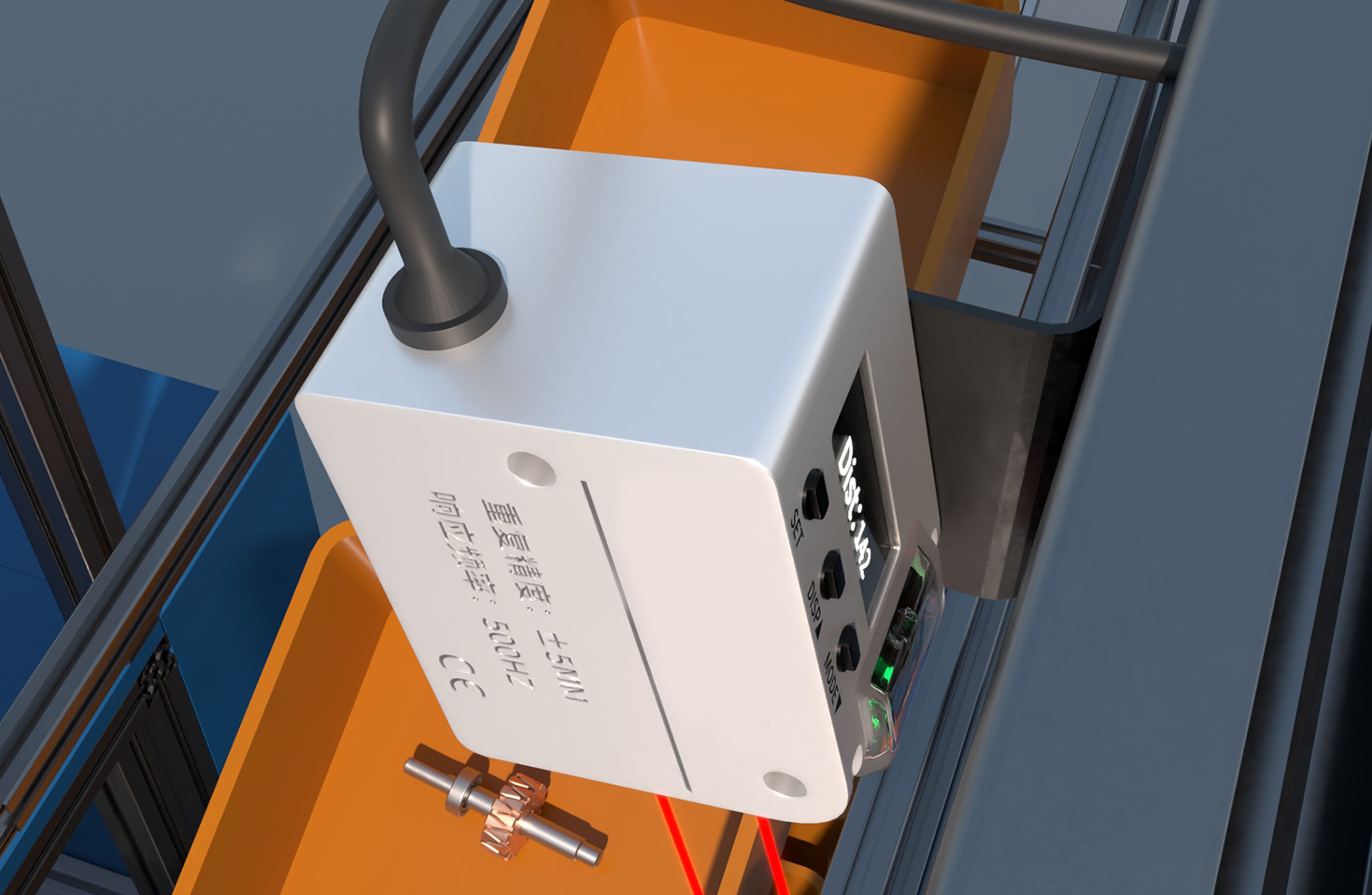
Laser sensors also excel in challenging environmental conditions. Many models are designed with robust housings that resist water, oil, and chemical exposure, complying with IP67 or higher ratings. This durability ensures consistent performance in sectors like metalworking, where coolant sprays and metal shavings are common, or in food processing, where washdowns are frequent. Additionally, laser sensors can be integrated with IoT systems and Industry 4.0 platforms, enabling predictive maintenance and data analytics. By transmitting measurement data to centralized controllers, they facilitate smart manufacturing processes that optimize resource use and minimize downtime.
Despite their advantages, selecting the right laser sensor requires careful consideration of factors such as measurement range, beam type (e.g., point, line, or array), and output interfaces. For example, long-range sensors suit warehouse automation for pallet detection, while compact models fit into tight spaces on robotic arms. Innovations like blue laser technology have further expanded applications by improving visibility on transparent or glossy surfaces, such as glass or plastic containers. As industries evolve toward greater automation, laser sensors will continue to play a pivotal role in enhancing productivity, safety, and quality. Their adaptability to emerging technologies, including AI-driven inspection systems, underscores their value as a cornerstone of industrial innovation.