In the realm of industrial automation, limit and proximity sensors serve as critical components for ensuring precision, safety, and efficiency in machinery operations. These sensors are designed to detect the presence or absence of objects without physical contact, making them indispensable in various applications, from manufacturing lines to robotic systems.
Limit sensors, often referred to as limit switches, are electromechanical devices that detect the position of a moving part. When an object makes contact with the actuator of the switch, it triggers a change in the electrical circuit, signaling the control system to halt or alter the machine's movement. This functionality is essential for preventing overtravel, which can lead to equipment damage or safety hazards. Common types include roller lever, plunger, and whisker switches, each suited for specific environmental conditions and mechanical requirements.
Proximity sensors, on the other hand, operate without physical contact. They emit an electromagnetic field or beam and detect changes caused by nearby objects. Inductive proximity sensors are widely used for detecting metallic objects, utilizing a coil and oscillator to generate a field that induces eddy currents in the target. Capacitive sensors can detect both metallic and non-metallic materials by measuring changes in capacitance. Ultrasonic and photoelectric sensors offer solutions for longer-range detection and varied material types. The non-contact nature of proximity sensors reduces wear and tear, enhancing longevity and reliability in high-cycle applications.
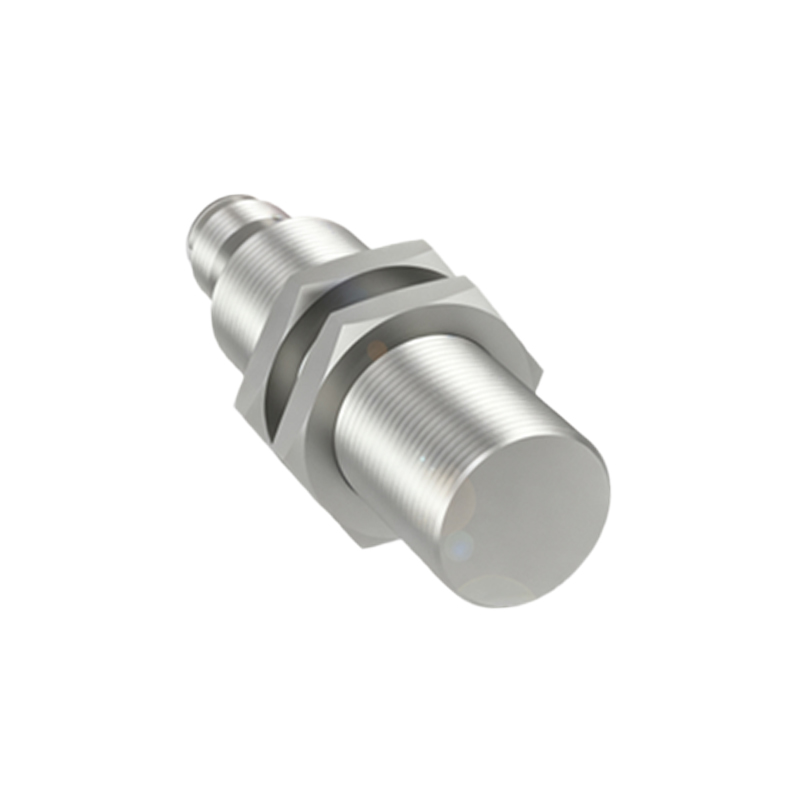
The selection of an appropriate sensor depends on factors such as sensing range, environmental conditions (e.g., temperature, humidity, and exposure to chemicals), response time, and output type (e.g., NPN, PNP, or analog signals). For instance, in harsh environments with dust or moisture, sealed or ruggedized sensors are preferred to maintain performance. Integration with programmable logic controllers (PLCs) and industrial networks enables real-time monitoring and control, facilitating adaptive automation processes.
Advancements in sensor technology have led to the development of smart sensors with self-diagnostic capabilities, allowing for predictive maintenance and reduced downtime. Additionally, the rise of Industry 4.0 has spurred the integration of sensors with IoT platforms, enabling data analytics for optimizing production efficiency and quality control.
In summary, limit and proximity sensors are foundational to modern industrial systems. Their ability to provide accurate, reliable detection ensures operational safety, enhances productivity, and supports the evolution toward smarter, interconnected factories. Engineers must carefully evaluate application needs to choose the right sensor type, ensuring seamless integration and long-term performance in automated environments.