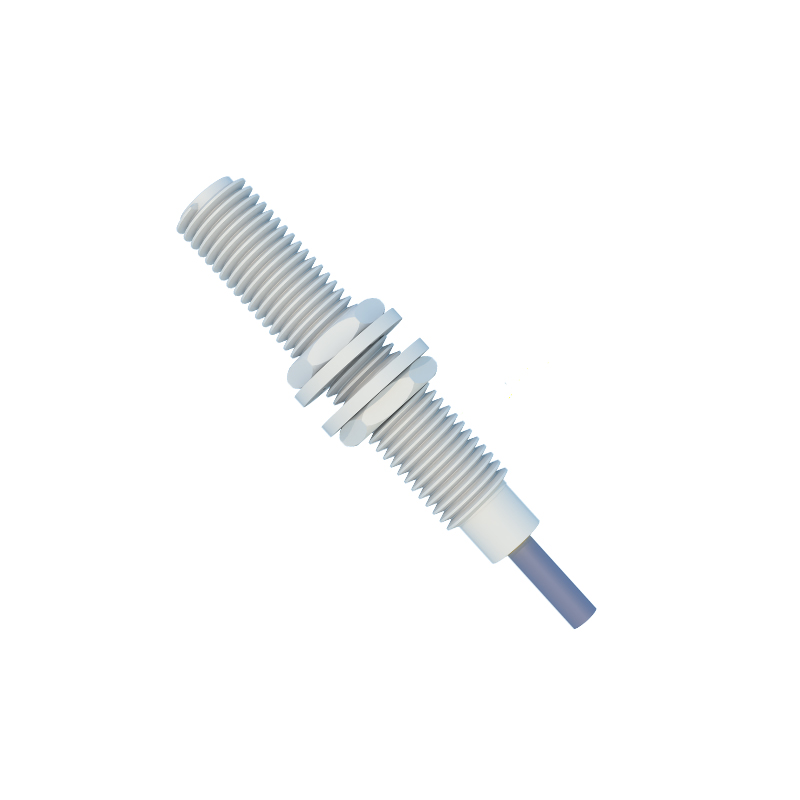
In industrial automation and control systems, proximity sensors play a crucial role in detecting the presence or absence of objects without physical contact. Among various types, two-wire proximity sensors are widely favored for their simplicity and direct integration into control circuits. This article delves into the practical aspects of wiring two-wire proximity sensors in series, exploring the benefits, challenges, and best practices for implementation.
Two-wire proximity sensors, unlike their three-wire or four-wire counterparts, combine power supply and signal output in a single pair of wires. Typically, they operate by drawing a small leakage current when inactive and switching to a higher current when activated, which is interpreted as a signal change by connected devices like PLCs (Programmable Logic Controllers) or relays. Wiring these sensors in series involves connecting multiple sensors along the same electrical loop, where the output of one sensor feeds into the input of the next. This configuration is often employed to create logical AND conditions—for instance, ensuring all sensors detect an object before triggering an action, such as starting a conveyor belt or activating a safety mechanism.
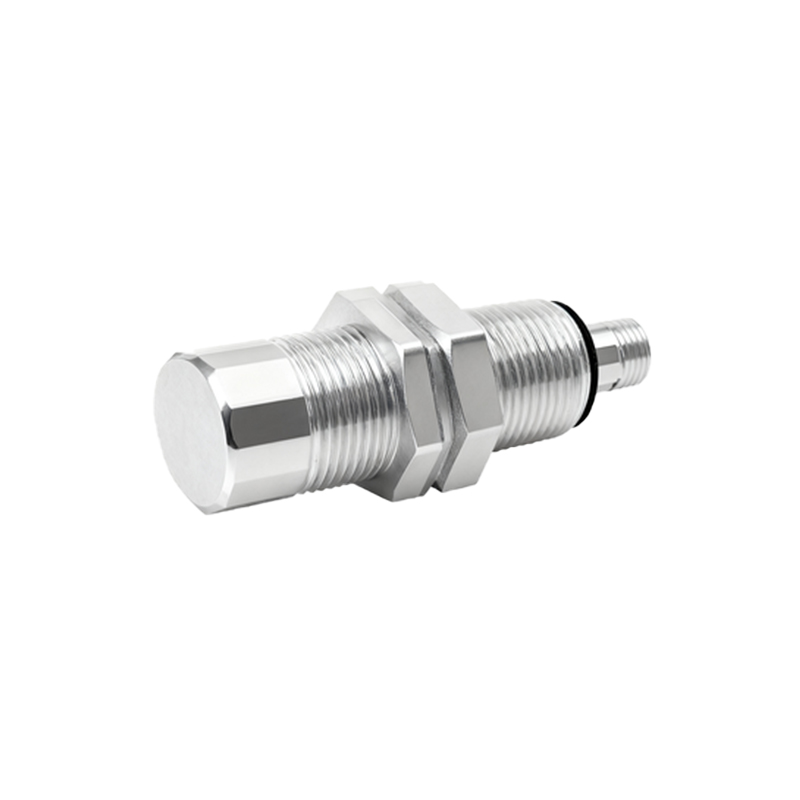
The primary advantage of series wiring is enhanced control and monitoring efficiency. By linking sensors in series, engineers can reduce wiring complexity and material costs, as fewer cables and connections are needed compared to parallel setups. This approach also simplifies troubleshooting, since a break in the series circuit affects all sensors, making faults easier to locate. In applications like assembly lines or packaging systems, series-wired sensors can enforce sequential operations, improving process reliability and safety. For example, in a robotic welding cell, multiple proximity sensors might be wired in series to verify that all components are properly positioned before initiating the weld cycle, preventing errors and damage.
However, series wiring introduces specific electrical considerations that must be addressed to ensure reliable operation. One key challenge is voltage drop across the sensors. As current flows through each sensor in the series, the cumulative resistance can lead to a significant voltage reduction, potentially causing sensors farther down the line to malfunction due to insufficient operating voltage. To mitigate this, it is essential to calculate the total load and verify that the power supply can deliver adequate voltage and current. Using sensors with low voltage drop characteristics and selecting appropriate wire gauges can help maintain circuit integrity. Additionally, the leakage current of inactive sensors must be accounted for, as it might falsely trigger connected devices if not properly managed.
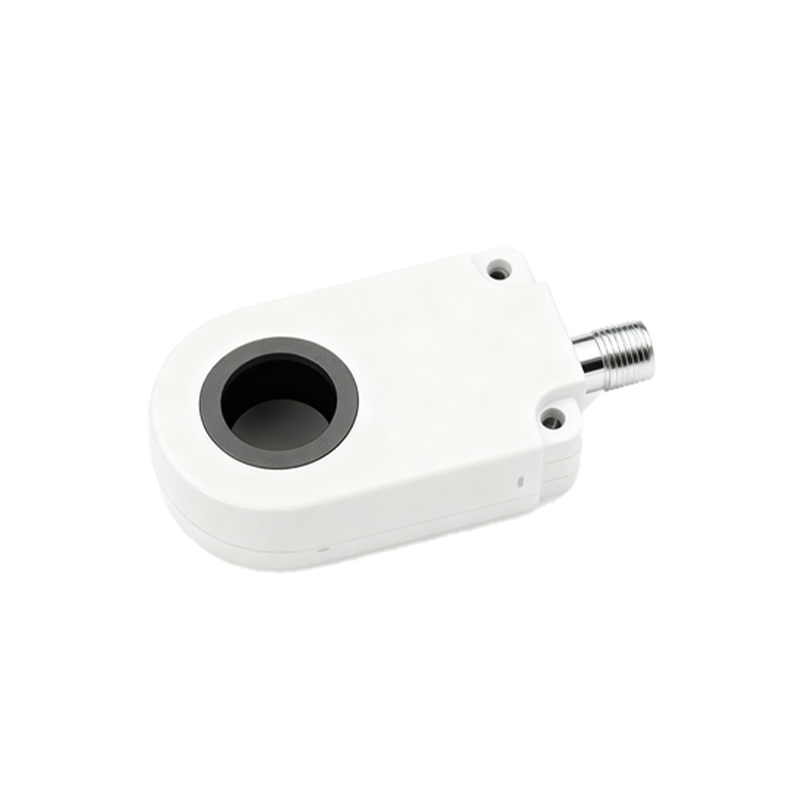
Another critical aspect is compatibility with control systems. Most two-wire proximity sensors are designed to work with DC power supplies, commonly 10-30 VDC, and their output signals are often sinking (NPN) or sourcing (PNP) types. When wiring in series, ensure all sensors share the same polarity and signal type to avoid conflicts. For instance, mixing NPN and PNP sensors in a series loop can lead to erratic behavior or circuit failure. It is also advisable to consult the sensor datasheets for maximum allowable current and voltage ratings, as exceeding these limits may damage the sensors or reduce their lifespan. In practice, adding a monitoring relay or isolator can enhance circuit protection and signal clarity, especially in noisy industrial environments.
Installation best practices for series-wired proximity sensors include thorough planning and testing. Start by mapping the sensor locations and cable routes to minimize interference from electromagnetic sources like motors or high-voltage lines. Use shielded cables and proper grounding techniques to prevent false triggers from electrical noise. During commissioning, verify each sensor’s operation individually before connecting them in series, and measure the voltage at each point in the circuit under load conditions. Regular maintenance, such as cleaning sensor faces and checking connections, helps sustain performance over time.
In summary, wiring two-wire proximity sensors in series offers a streamlined solution for complex control scenarios, balancing cost-effectiveness with functional robustness. By understanding the electrical dynamics and adhering to industry standards, engineers can leverage this configuration to build resilient automation systems. Whether for safety interlocks, process validation, or equipment monitoring, series-wired sensors provide a reliable means to achieve precise control in diverse industrial settings.