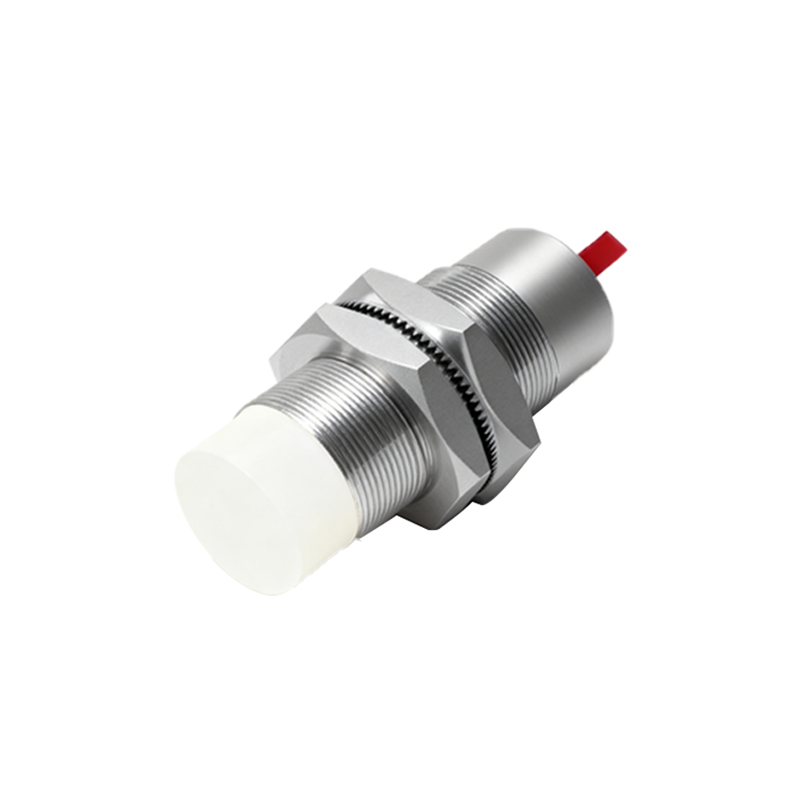
Magnetic proximity sensors are critical components in modern industrial automation, offering non-contact detection of ferromagnetic objects. These devices operate by generating a magnetic field and detecting changes caused by the presence of a target, making them ideal for harsh environments where dust, moisture, or vibrations are present. When selecting a supplier for magnetic proximity sensors, several key factors must be considered to ensure reliability, performance, and cost-effectiveness.
First, the technical specifications of the sensors are paramount. Reputable suppliers provide detailed data on sensing ranges, operating temperatures, housing materials, and output types (e.g., PNP, NPN, analog). For instance, sensors with extended sensing distances (up to 120 mm) are essential for heavy machinery, while compact models suit confined spaces. Suppliers should also offer customization options, such as specific connector types or cable lengths, to meet unique application needs.
Second, quality assurance and certification are non-negotiable. Leading suppliers adhere to international standards like ISO 9001 for quality management and IEC 60947 for industrial control equipment. Certifications such as ATEX or UL indicate compliance with safety regulations for explosive or hazardous environments. It is advisable to review suppliers' testing protocols, including endurance tests under extreme conditions, to guarantee long-term durability.
Third, supply chain stability and logistical support play a crucial role. A reliable supplier maintains consistent inventory levels and offers flexible delivery schedules to minimize downtime. Many top-tier suppliers provide global distribution networks, ensuring timely access to spare parts and technical support. Additionally, digital tools like online configurators or real-time stock tracking enhance procurement efficiency.
Fourth, innovation and R&D capabilities distinguish premium suppliers. The industry is evolving with trends like IoT integration, which enables predictive maintenance through sensor data analytics. Suppliers investing in research often develop sensors with enhanced features, such as reduced power consumption or improved immunity to electromagnetic interference. Collaborating with such suppliers can future-proof automation systems.
Finally, cost considerations should balance initial price with total ownership expenses. While low-cost suppliers may seem attractive, hidden costs from frequent replacements or system failures can outweigh savings. Evaluating lifecycle costs, including energy efficiency and maintenance requirements, helps in making informed decisions. Many suppliers offer value-added services like on-site training or warranty extensions, which contribute to overall cost-effectiveness.
In summary, choosing the right magnetic proximity sensor supplier involves a holistic assessment of technical prowess, quality standards, logistical reliability, innovation, and economic factors. By prioritizing these aspects, engineers can secure robust solutions that enhance operational efficiency and safety in diverse industrial settings.