As an experienced electrical engineer specializing in industrial automation, I often encounter questions regarding the reliability of proximity sensors in extreme environments. One common inquiry is whether low temperatures impact their performance. The short answer is yes, low temperatures can significantly affect proximity sensors, but the extent depends on several factors including sensor type, design, and application conditions.
Proximity sensors, which detect the presence or absence of objects without physical contact, rely on various technologies such as inductive, capacitive, ultrasonic, and photoelectric principles. Each technology responds differently to temperature changes. In general, low temperatures can alter the electrical and mechanical properties of sensor components. For instance, inductive sensors use coils and oscillators that may experience changes in inductance and resistance at cold temperatures, potentially reducing detection range or causing false triggers. Similarly, capacitive sensors can be affected by changes in dielectric properties of materials, while ultrasonic sensors might face issues with sound wave propagation speed variations in frigid air.
Materials used in sensor construction also play a critical role. Metals and plastics can contract or become brittle in cold, leading to mechanical stress or cracking. Seals and gaskets may harden, compromising the sensor's ingress protection rating and exposing internal circuits to moisture or condensation, which can freeze and cause damage. Electronics within sensors, including integrated circuits and transistors, have specified operating temperature ranges. Exceeding the lower limit can slow down signal processing, increase response times, or even lead to complete failure. For example, many standard proximity sensors are rated for temperatures down to -25°C, while specialized models can operate at -40°C or lower.
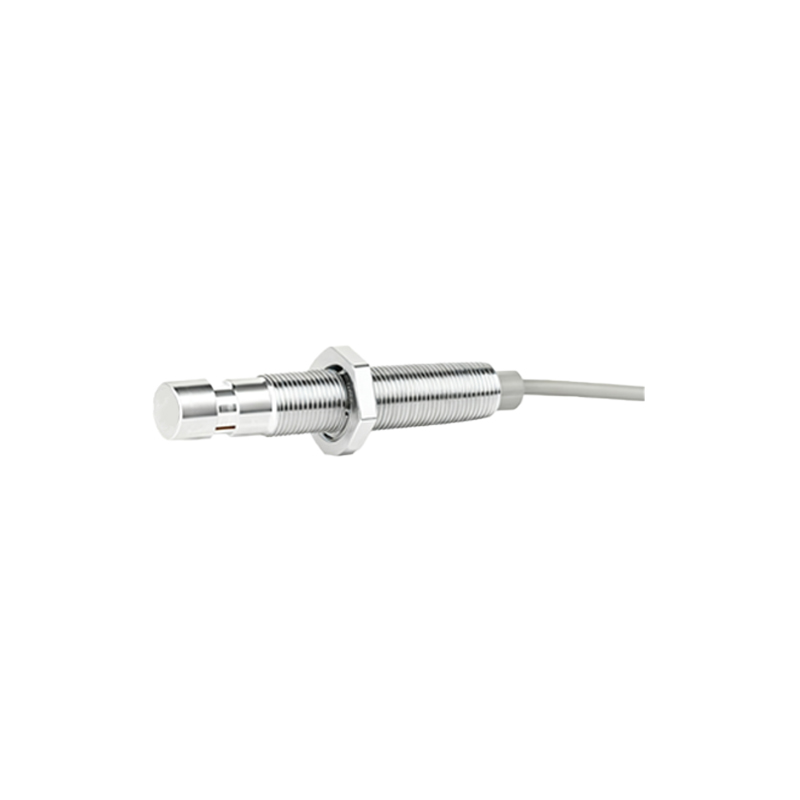
Power supply and wiring are additional concerns. Batteries and power sources may deliver reduced voltage in cold conditions, affecting sensor sensitivity. Cables and connectors can become stiff and prone to breakage, interrupting signals. In outdoor or refrigerated settings, such as cold storage facilities or winterized industrial plants, these issues are compounded by ice accumulation and thermal cycling.
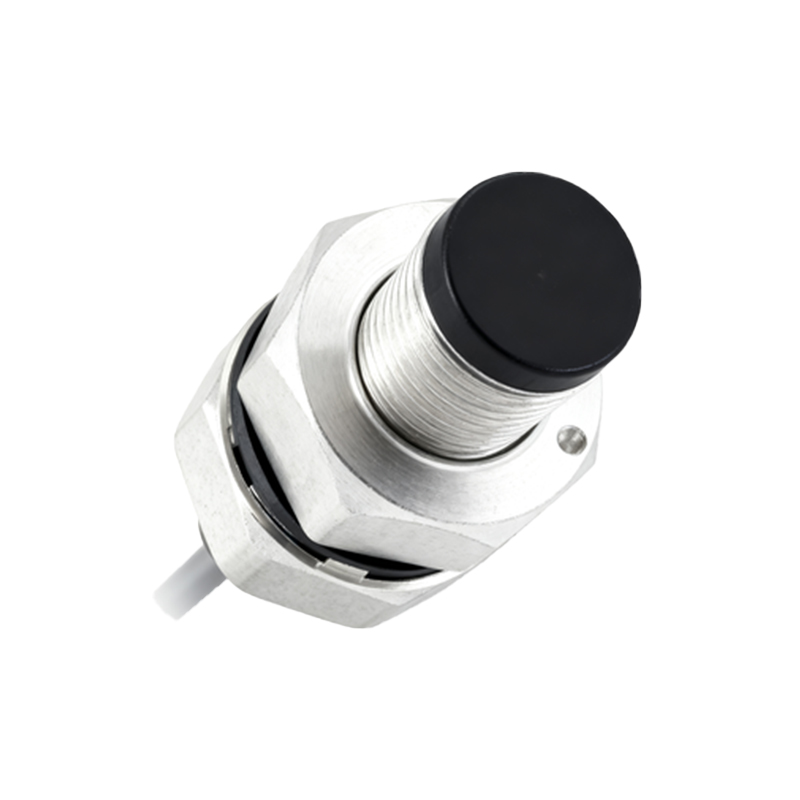
To mitigate low-temperature effects, engineers should select sensors with appropriate temperature ratings, often indicated in datasheets. Look for models labeled as "low-temperature" or "arctic-grade," which feature components designed for cold resilience. Protective enclosures, heaters, or thermal insulation can be added to maintain operational temperatures. Regular maintenance, including checks for ice buildup and cable integrity, is essential. Calibration may also need adjustment, as temperature shifts can drift sensor outputs over time.
In practice, I've seen proximity sensors fail in unheated warehouses during winter, only to function normally once warmed. Conversely, well-chosen sensors in freezer conveyors perform reliably for years. The key is understanding the specific environment and consulting manufacturer guidelines. Testing sensors under simulated cold conditions before deployment can prevent costly downtime.
Ultimately, while low temperatures pose challenges, modern proximity sensors are engineered to withstand harsh conditions. By considering factors like technology, materials, and protection measures, engineers can ensure robust performance. Always verify specifications and implement preventive strategies to avoid surprises when the mercury drops.