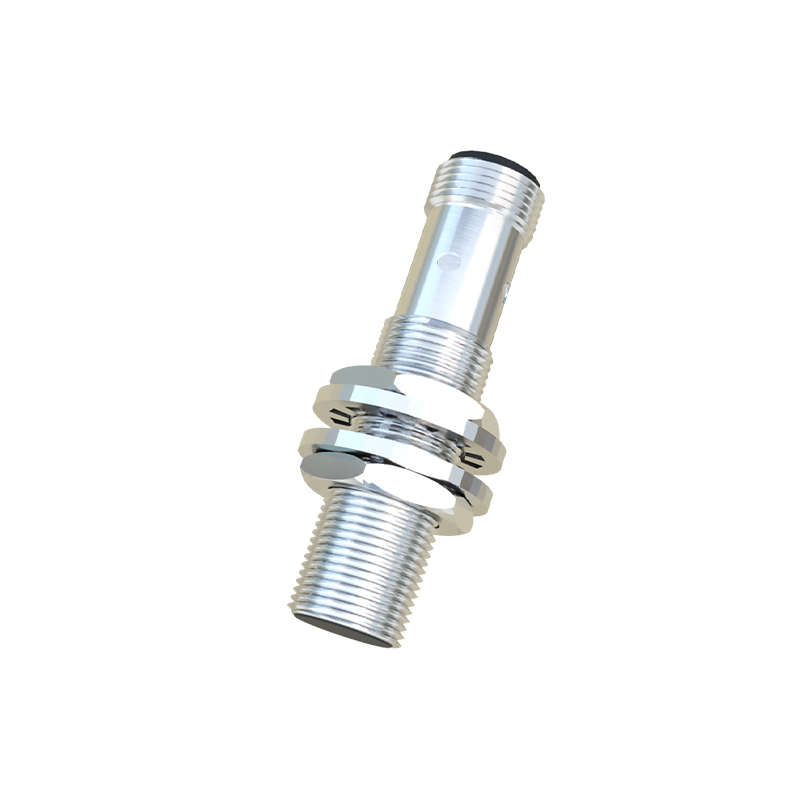
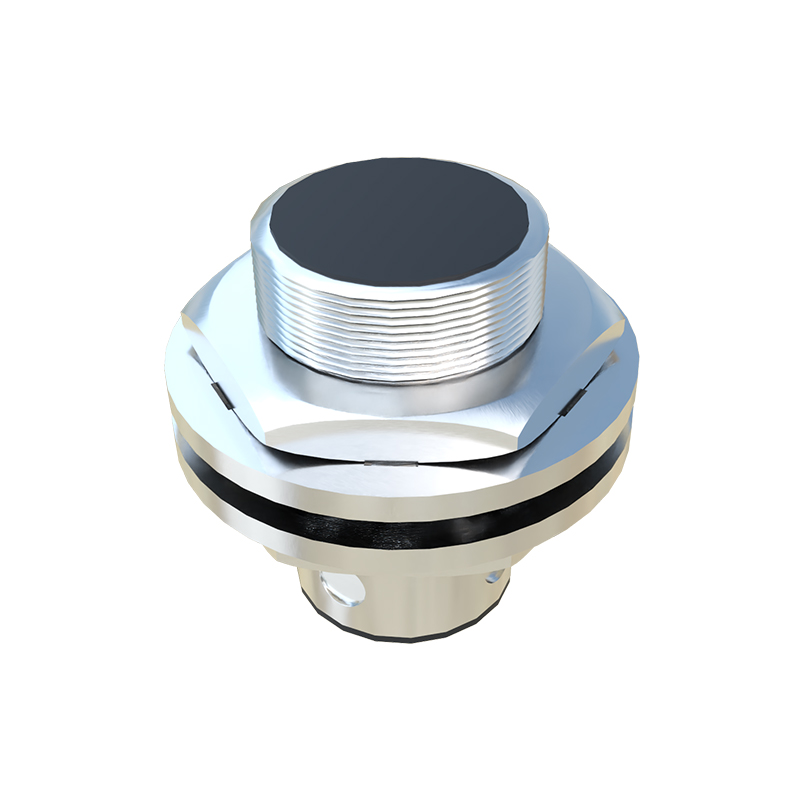
In the dynamic landscape of industrial automation and machinery, proximity sensors stand as critical components for non-contact detection, ensuring precision, safety, and efficiency. When operational issues arise or new projects demand specific sensor integration, knowing how to effectively contact a reputable proximity sensor shop is paramount. This guide outlines the essential channels and best practices for reaching out to these specialized suppliers.
The primary and most direct point of contact for any proximity sensor shop is its dedicated customer service telephone line. A professional shop will typically list this number prominently on its website, official brochures, and technical documentation. When calling, it is advisable to have specific information ready to expedite the process. This includes the model number of the sensor in question, the application environment (e.g., inductive, capacitive, ultrasonic), the required sensing range, output type (PNP/NPN, analog, IO-Link), and the electrical specifications of your system. Preparing a concise description of the issue or requirement demonstrates professionalism and helps the technical support team provide accurate solutions swiftly. Many established shops operate multi-lingual support lines and have extended business hours to cater to global industrial cycles.
Beyond the general inquiry line, many specialized sensor suppliers offer dedicated technical support hotlines. These lines are staffed by qualified engineers who can assist with complex integration challenges, troubleshooting faulty installations, or providing guidance on sensor selection for novel applications. If you are encountering intermittent failures, calibration drift, or compatibility issues with a PLC system, this is the preferred channel. Clearly articulating the symptom, the steps already taken for diagnosis, and the machine's operating conditions will lead to more effective support. It is not uncommon for these support engineers to request diagnostic data or images, so having them accessible during the call is beneficial.
For procurement, bulk orders, or establishing a corporate account, requesting a callback from a sales representative via the main shop number is a standard procedure. Sales teams can provide detailed quotations, discuss volume pricing, lead times, and logistics. They are also your point of contact for inquiries about product certifications (like ATEX for hazardous areas or IP ratings for dust/water resistance), custom modifications, and long-term supply agreements. When discussing projects still in the design phase, a sales engineer can be an invaluable resource for recommending the most cost-effective and reliable sensor technology for your specific mechanical and electrical constraints.
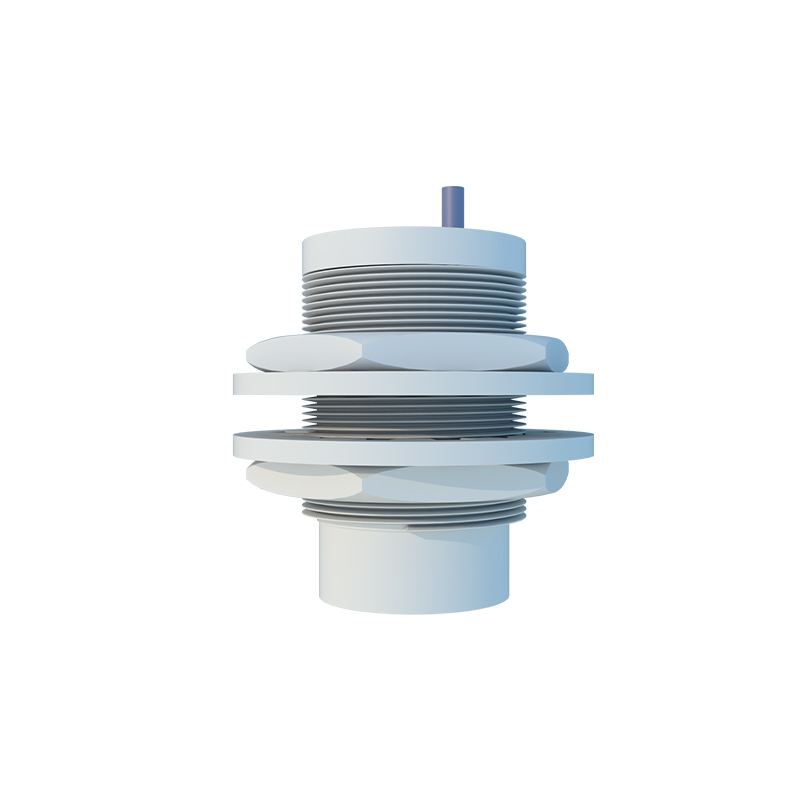
While the telephone remains a vital tool for immediate and nuanced communication, it often functions within a broader contact ecosystem. A proficient proximity sensor shop will integrate its phone support with other channels. For instance, you might call to initiate a return merchandise authorization (RMA) process, but be directed to a specific online portal to submit formal documentation. Similarly, a technical call might be followed up with an email containing detailed wiring diagrams, datasheets, or links to application notes. Therefore, when you call, be prepared to note down case numbers, the names of support personnel, and instructions for next steps that may involve digital platforms.
To ensure a productive call, avoid peak hours if possible, typically early mornings when shops open. Have your company information and site address ready for account verification. Most importantly, choose a shop whose published contact information reflects its professionalism and market presence. A shop that lists clear contact numbers, along with its physical address and technical support email, generally indicates a commitment to customer service and technical accountability. In the specialized field of industrial sensors, the quality of pre-sales and post-sales support is as crucial as the quality of the sensor itself. Establishing a reliable communication line with your sensor shop is not just about solving a momentary problem; it's about building a partnership for ongoing operational resilience.