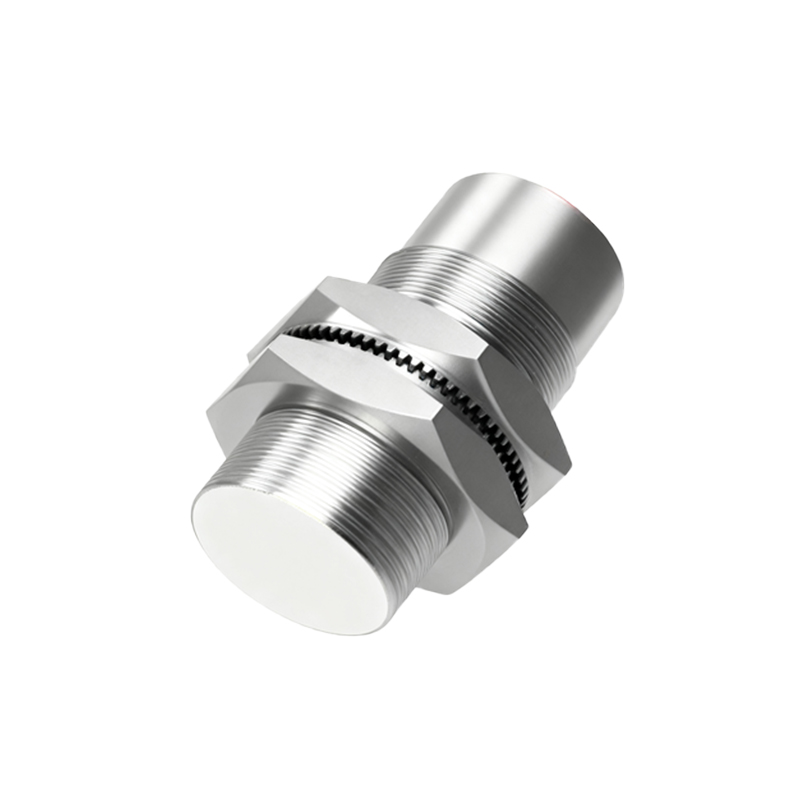
Proximity sensor switches are pivotal components in modern industrial automation, enabling non-contact detection of objects with high precision and reliability. As a senior electrical engineer with extensive experience in the field, I have witnessed the evolution of proximity sensor technology and its transformative impact on manufacturing processes. This article delves into the intricacies of proximity sensor switch production, highlighting key innovations, applications, and industry trends that define this critical sector.
The manufacturing of proximity sensor switches begins with the selection of core technologies, primarily inductive, capacitive, and magnetic sensors. Inductive sensors are widely used for detecting metallic objects, leveraging electromagnetic fields to sense presence without physical contact. These sensors are engineered with robust coils and oscillation circuits, ensuring stability in harsh industrial environments. Capacitive sensors, on the other hand, detect both metallic and non-metallic materials by measuring changes in capacitance. They are ideal for applications involving liquids, plastics, or granular substances. Magnetic sensors utilize Hall effect or reed switch mechanisms, offering reliable operation in positions sensing and speed detection tasks.
In a proximity sensor switch factory, precision engineering and quality control are paramount. The production process involves several stages: design and prototyping, component assembly, calibration, and testing. Advanced facilities employ automated assembly lines to enhance efficiency and consistency. For instance, surface-mount technology (SMT) is used to place miniature electronic components on printed circuit boards (PCBs), ensuring compact and durable sensor designs. Calibration is critical to adjust sensing ranges and response times, with technicians using calibrated targets to verify performance against industry standards such as IEC 60947-5-2.
Innovation in proximity sensor switches has been driven by the demand for smarter, more connected industrial systems. The integration of IoT capabilities allows sensors to transmit real-time data to control systems, enabling predictive maintenance and optimized operations. For example, sensors with IO-Link communication provide detailed diagnostics, such as temperature monitoring or wear indicators, reducing downtime in manufacturing plants. Additionally, the development of miniaturized sensors has expanded their use in confined spaces, such as robotic arms or medical devices, without compromising detection accuracy.
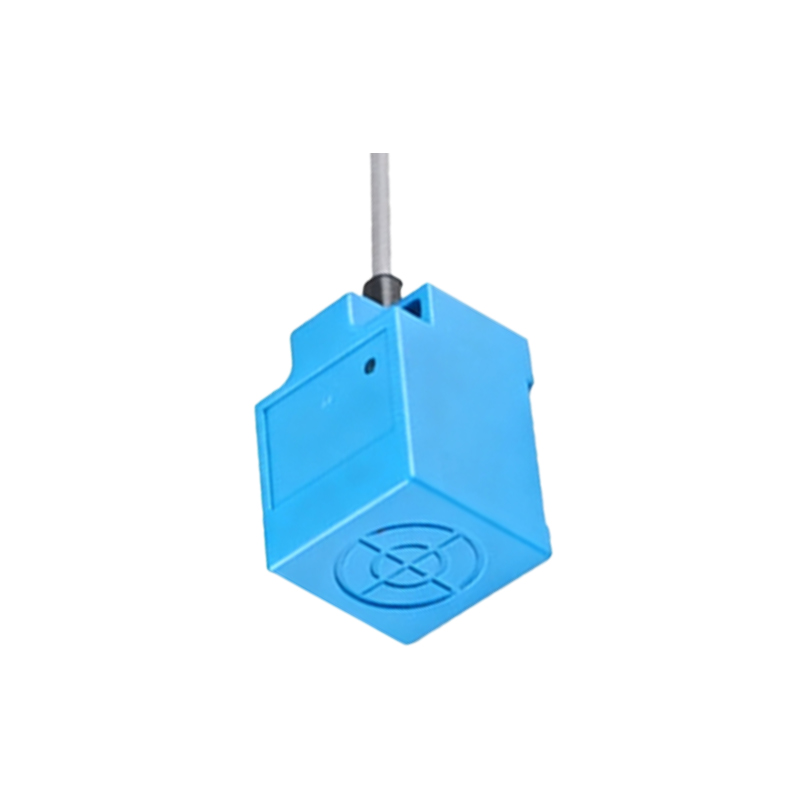
Industry applications of proximity sensor switches are vast and varied. In automotive manufacturing, they are used for position sensing in assembly lines, ensuring precise alignment of components. The packaging industry relies on these sensors to detect product presence on conveyor belts, facilitating automated sorting and filling processes. In heavy machinery, proximity switches enhance safety by monitoring guard positions or detecting object intrusions in hazardous zones. Furthermore, the food and beverage sector benefits from hygienic sensor designs with stainless steel housings, resistant to washdowns and corrosive substances.
The future of proximity sensor switch manufacturing is shaped by trends such as Industry 4.0 and sustainability. Factories are adopting energy-efficient sensors with low power consumption, aligning with global green initiatives. Enhanced materials, like PBT or PVDF housings, improve resistance to chemicals and extreme temperatures. As artificial intelligence and machine learning advance, sensors are becoming more adaptive, capable of self-adjusting to environmental changes. Collaboration between manufacturers and end-users is also crucial, driving custom solutions for niche applications, from aerospace to renewable energy systems.
In conclusion, proximity sensor switch factories play a vital role in advancing industrial automation. Through continuous innovation and adherence to quality standards, they deliver reliable components that boost productivity and safety across sectors. As technology evolves, these sensors will remain at the forefront of smart manufacturing, empowering engineers to build more efficient and responsive systems.