In the rapidly evolving landscape of battery cell manufacturing, proximity sensors have emerged as indispensable components, playing a critical role in ensuring precision, efficiency, and safety throughout the production process. These non-contact sensing devices are engineered to detect the presence or absence of objects within a specified range without any physical contact, making them ideal for the sensitive and high-speed environments typical of modern battery production lines. Their application spans from initial electrode coating to final cell assembly and quality inspection.
The primary function of a proximity sensor in this context is to provide accurate positional feedback. For instance, during the slitting and stacking of electrode foils, even a minor misalignment can lead to defects, reducing cell performance and potentially causing safety hazards. Inductive proximity sensors are commonly employed to detect the precise position of metallic foils and current collectors, ensuring they are correctly fed into cutting and stacking machinery. This real-time monitoring prevents jams, reduces material waste, and maintains the stringent tolerances required for high-energy-density cells.
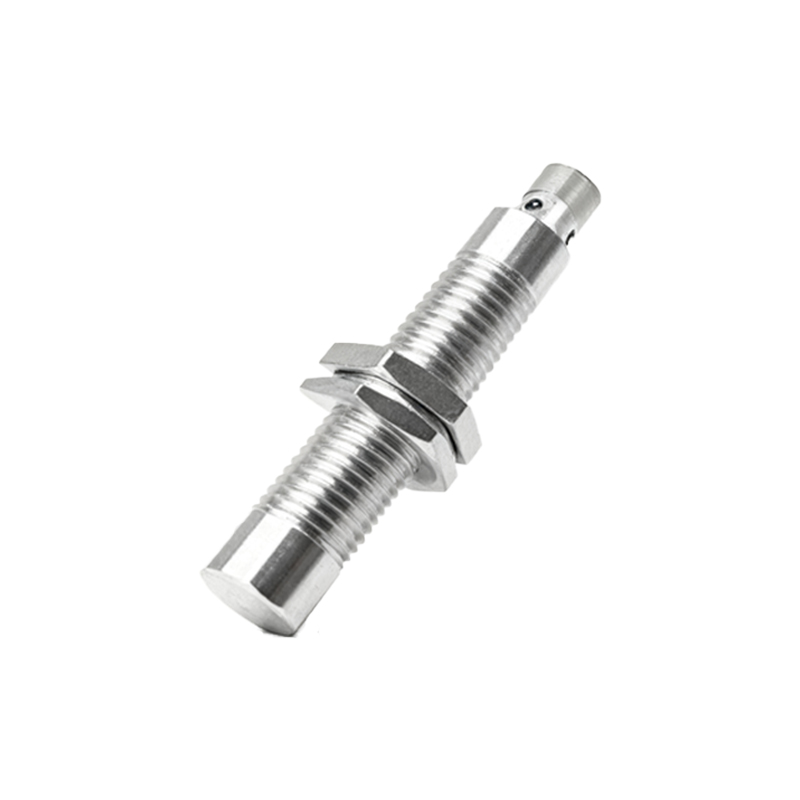
Furthermore, capacitive proximity sensors find their niche in detecting non-metallic materials, such as separators or polymer coatings. Given that battery cells consist of multiple layered materials—anodes, cathodes, and separators—maintaining proper alignment and tension is paramount. Capacitive sensors can detect these materials through variations in dielectric constants, enabling automated systems to adjust tension rollers or guide mechanisms dynamically. This capability is crucial for preventing wrinkles or tears in separator films, which could lead to internal short circuits.
Safety is another paramount concern addressed by proximity sensors. In automated handling and robotic assembly stations, these sensors act as safety guards, ensuring that robotic arms or conveyor systems do not collide with obstacles or personnel. For example, during the insertion of jelly rolls into casings or the placement of battery modules, sensors verify that the path is clear and components are correctly positioned before initiating a movement. This not only protects expensive equipment from damage but also safeguards operators, aligning with industry standards for operational safety.
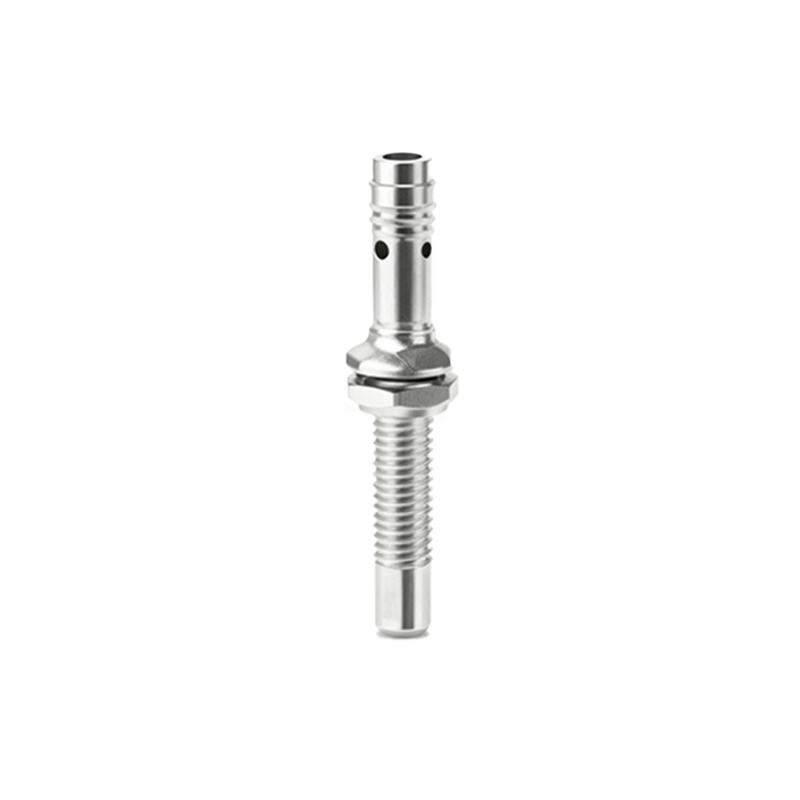
Moreover, the integration of proximity sensors with Industrial Internet of Things (IIoT) platforms is transforming quality control. By continuously collecting data on object detection, presence, and positioning, these sensors feed information into centralized monitoring systems. Analytics software can then identify patterns, predict potential failures in the production line, and optimize processes for higher yield. In essence, they contribute to the development of smarter, more adaptive manufacturing ecosystems where downtime is minimized, and consistency is maximized.
The selection of the appropriate proximity sensor—whether inductive, capacitive, ultrasonic, or photoelectric—depends on specific application requirements, including target material, sensing distance, environmental conditions (such as exposure to coolants or dust), and required response speed. In cleanroom environments typical of lithium-ion battery production, sensors with high ingress protection ratings are preferred to withstand occasional exposure to electrolytes or particulate matter without degradation in performance.
In conclusion, proximity sensors are vital enablers in the battery cell manufacturing industry. They enhance precision in material handling, improve operational safety, and support the transition toward data-driven, intelligent factories. As the demand for electric vehicles and renewable energy storage surges, the role of these sensors will only grow in significance, driving innovations that lead to more reliable, efficient, and cost-effective battery production. Their silent, unwavering vigilance on the factory floor is a testament to how advanced sensing technology underpins the green energy revolution.