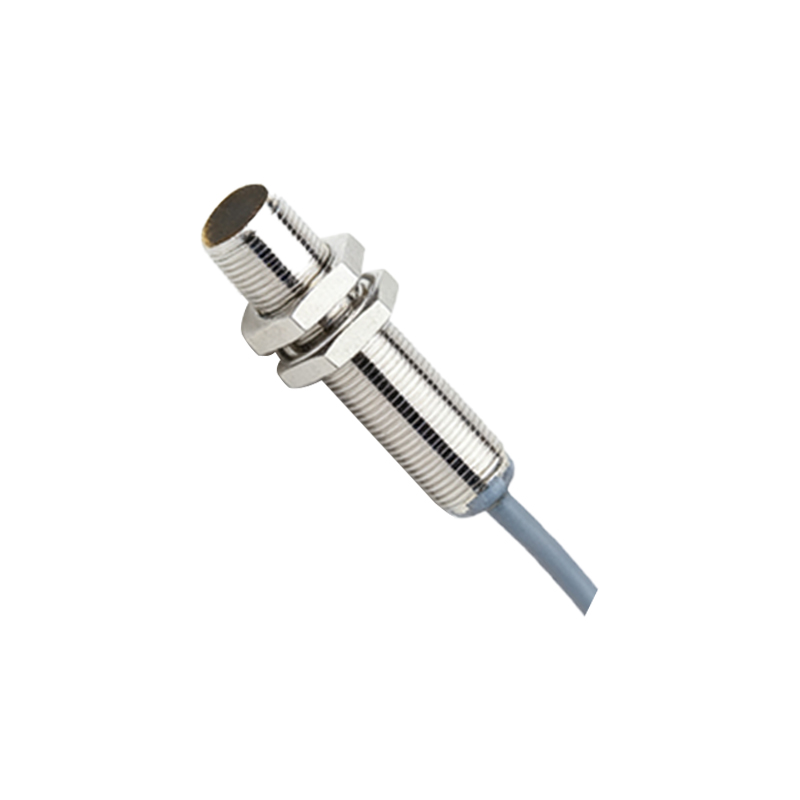
In the realm of industrial automation, square proximity sensors are indispensable components, offering reliable non-contact detection of metallic and non-metallic objects. Their robust, square-shaped housing provides enhanced durability and ease of installation in diverse industrial environments, from packaging lines to robotic assembly cells. Selecting the right supplier for these critical sensors is paramount for ensuring system reliability, longevity, and overall operational efficiency. This guide delves into the key considerations for choosing a square proximity sensor supplier and highlights the leading players shaping the market.
The primary advantage of square proximity sensors lies in their design. The flat surfaces allow for flush mounting, saving valuable space in control panels and machinery. They are typically constructed from materials like nickel-plated brass, stainless steel, or PBT plastic, offering varying degrees of resistance to chemicals, oils, and physical impacts. Inductive sensors detect ferrous and non-ferrous metals, while capacitive variants can sense materials like wood, plastic, and liquids. When evaluating suppliers, technical specifications are the first checkpoint. Critical parameters include sensing distance, switching frequency, output type (PNP/NPN, NO/NC), and voltage range. Reputable suppliers provide detailed datasheets and offer a wide range of models to meet specific application needs, such as extended sensing ranges or high-temperature resistance for foundries or welding applications.
Beyond product specs, the supplier's industry expertise and support ecosystem are crucial. Top-tier suppliers don't just sell components; they provide comprehensive solutions. This includes offering extensive technical documentation, application notes, and 2D/3D CAD models for seamless integration into machine design. Pre-sales engineering support is vital for selecting the correct sensor for challenging environments involving factors like target material, size, and environmental contaminants like dust or coolant mist. Post-sales support, including warranty policies, global availability, and responsive customer service for troubleshooting, significantly reduces downtime—a critical cost factor in continuous manufacturing.
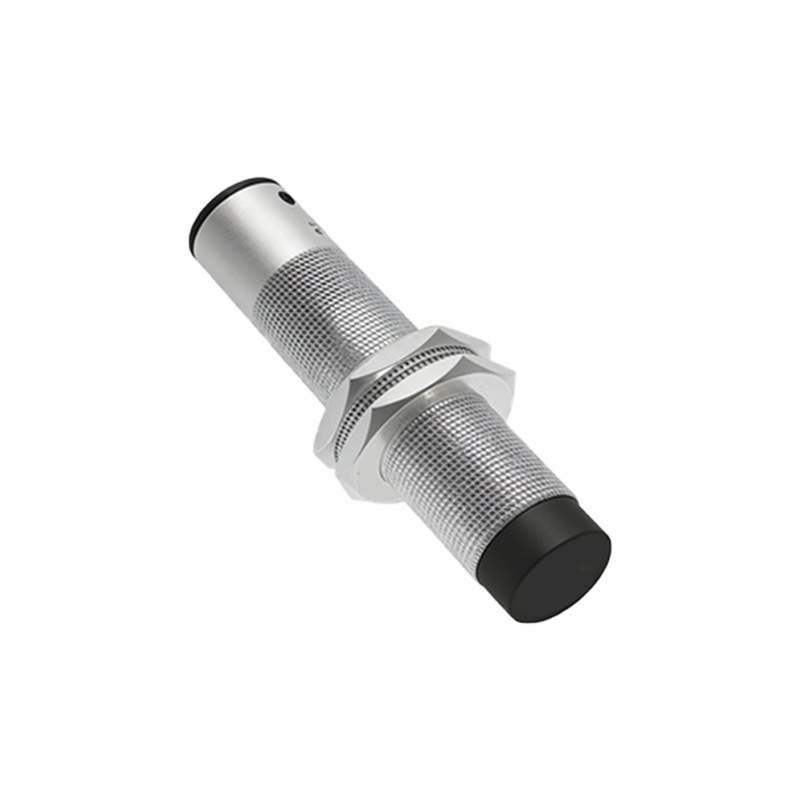
Several established global suppliers dominate the square proximity sensor landscape. Companies like Sick AG, Pepperl+Fuchs, Omron Corporation, Balluff GmbH, and ifm electronic are renowned for their innovation, quality, and reliability. These industry giants invest heavily in R&D, pushing the boundaries with features like IO-Link communication for Industry 4.0 integration, which enables predictive maintenance and parameter setting via the control system. They maintain stringent quality control, often adhering to international standards like IEC 60947-5-2. Furthermore, their global distribution and logistics networks ensure timely delivery and local support, which is essential for multinational manufacturing operations.
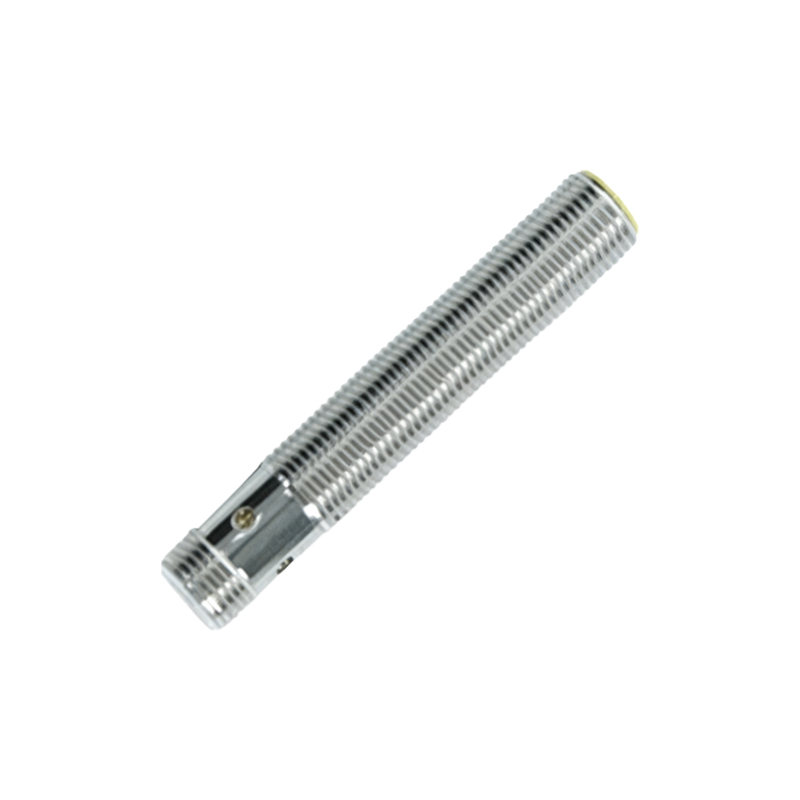
However, the market also features strong specialized and regional suppliers who compete effectively by offering cost-optimized solutions, exceptional customization, or rapid delivery for specific niches. When sourcing, it is essential to balance brand reputation with total cost of ownership. A slightly lower unit price from a lesser-known supplier may be offset by higher failure rates, lack of technical support, or longer lead times. Evaluating a supplier's financial stability and long-term commitment to the product line is also prudent to avoid obsolescence issues.
In conclusion, selecting a supplier for square proximity sensors is a strategic decision that impacts production line performance. The optimal choice hinges on a thorough analysis of technical requirements, application environment, required support level, and total cost considerations. Partnering with a reputable, technically proficient supplier ensures access to high-performance, durable sensors and the expert support necessary to maximize uptime and productivity in today's competitive industrial landscape. Investing time in the selection process ultimately safeguards your automation investment and drives operational excellence.