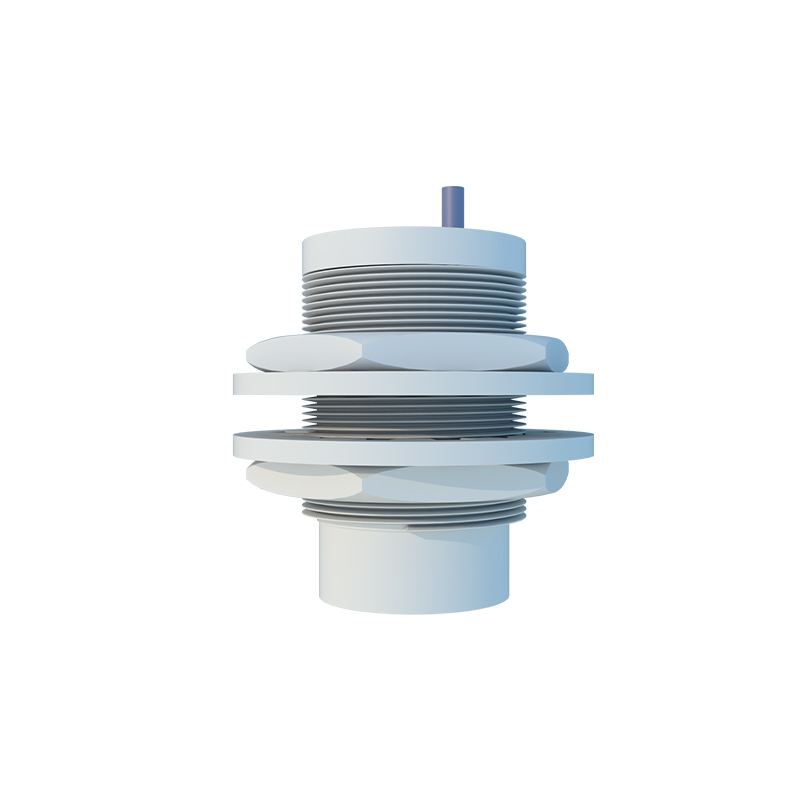
Ultrasonic proximity sensors have become indispensable components in modern industrial automation, offering a reliable and versatile solution for non-contact distance measurement and object detection. Unlike optical or inductive sensors, ultrasonic sensors operate by emitting high-frequency sound waves, typically between 20 kHz and 400 kHz, which are inaudible to the human ear. These sound waves travel through the air until they encounter an object. The sensor then detects the reflected echo and calculates the distance to the object based on the time-of-flight (ToF) principle—the time elapsed between the emission of the wave and the reception of its echo. This fundamental principle grants them unique advantages in challenging environments.
One of the most significant strengths of ultrasonic sensors is their exceptional performance in conditions where other sensor technologies falter. They are largely unaffected by target color, transparency, or surface reflectivity, making them ideal for detecting glass, clear films, and liquids. Furthermore, they can operate reliably in the presence of dust, smoke, steam, and ambient light variations, which are common in manufacturing, packaging, and material handling settings. This robustness translates into reduced downtime and maintenance costs. Common applications are diverse and critical. In warehouse and logistics, they are used for palletizing, box height detection, and controlling the fill level of bins or silos. On assembly lines, they ensure precise positioning of components and robotic guidance. In the automotive industry, they monitor fluid levels and assist in automated vehicle assembly. They also play a vital role in collision avoidance for automated guided vehicles (AGVs) and mobile robots.
When selecting an ultrasonic sensor for a specific application, several key parameters must be carefully considered. The sensing range is paramount; sensors are available with ranges from a few centimeters to over ten meters. The beam angle determines the detection cone's width—a narrow beam is suitable for precise detection, while a wide beam is better for general presence sensing. The response time, or how quickly the sensor can take a measurement, is crucial for high-speed processes. Output options vary, including analog (4-20 mA, 0-10 V), discrete (PNP/NPN), and serial communication (IO-Link), allowing for seamless integration into different control systems. Environmental ratings, such as IP67 or IP69K for water and dust resistance, are essential for harsh washdown environments in food and beverage or pharmaceutical plants.
Installation and calibration are critical for optimal performance. Sensors should be mounted securely to minimize vibration, which can affect readings. The sensing path should be clear of obstructions and potential acoustic interference, such as air turbulence from fans or compressors. Regular maintenance, primarily keeping the transducer surface clean from debris or buildup, ensures long-term accuracy. As Industry 4.0 advances, modern ultrasonic sensors are evolving with enhanced features. Smart sensors with IO-Link capability provide not just switching signals but also detailed diagnostic data, parameterization, and condition monitoring, enabling predictive maintenance and easier system integration.
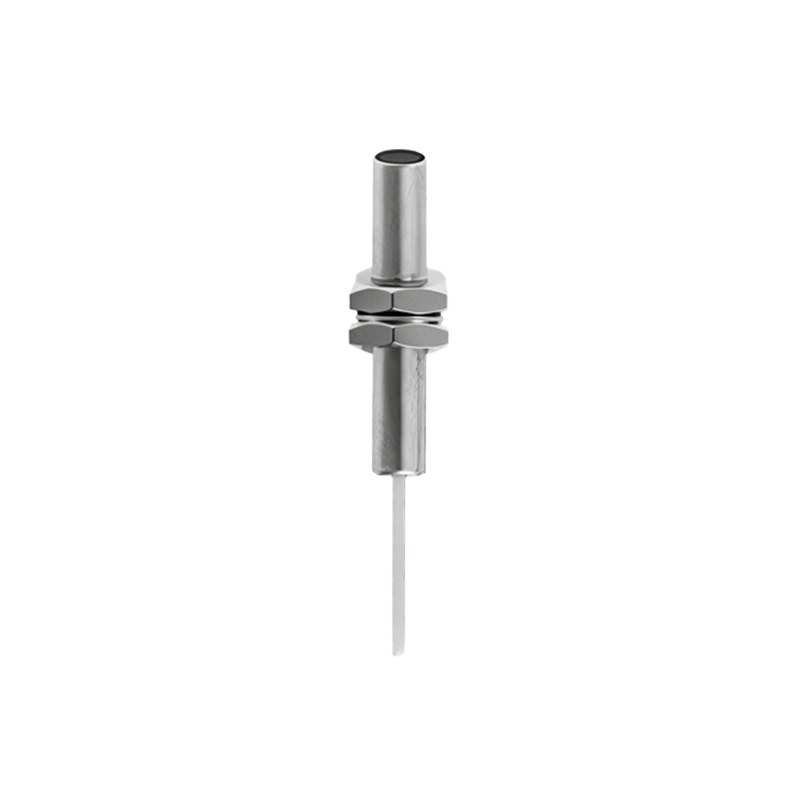
In conclusion, ultrasonic proximity sensors offer a robust, flexible, and highly effective sensing solution for a multitude of industrial challenges. Their ability to perform consistently in difficult environmental conditions, coupled with their non-contact nature and material-independent detection, makes them a cornerstone of automated systems. By understanding their operating principles, key specifications, and application best practices, engineers and system integrators can leverage this technology to improve efficiency, safety, and reliability across the industrial landscape. The continued integration of digital communication protocols will further solidify their role in the smart factories of the future.