Proximity sensors are indispensable components in modern industrial automation, serving as the eyes of machinery by detecting the presence or absence of objects without physical contact. These devices operate on various principles, including inductive, capacitive, ultrasonic, and photoelectric technologies, each suited to specific environmental conditions and material types. Inductive sensors, for instance, excel in detecting metallic objects and are widely used in manufacturing lines for position verification and counting. Capacitive sensors can detect both metallic and non-metallic materials, making them ideal for level sensing in liquid or granular substance containers. Ultrasonic sensors utilize sound waves to measure distance and are effective in harsh environments where dust, moisture, or temperature variations might compromise other sensor types. Photoelectric sensors rely on light beams and are preferred for long-range detection and precise object positioning.
When selecting a proximity sensor, engineers must consider critical factors such as sensing range, response time, environmental resilience, and output type. The sensing range determines how far the sensor can detect an object, while response time impacts the speed of the automation process. Industrial environments often expose sensors to extreme conditions, including high temperatures, corrosive chemicals, or heavy vibrations, necessitating robust housings and ingress protection ratings. Output configurations, such as NPN, PNP, analog, or IO-Link, must align with the control system's requirements to ensure seamless integration. Additionally, mounting options and electrical connections play a vital role in installation efficiency and maintenance accessibility.
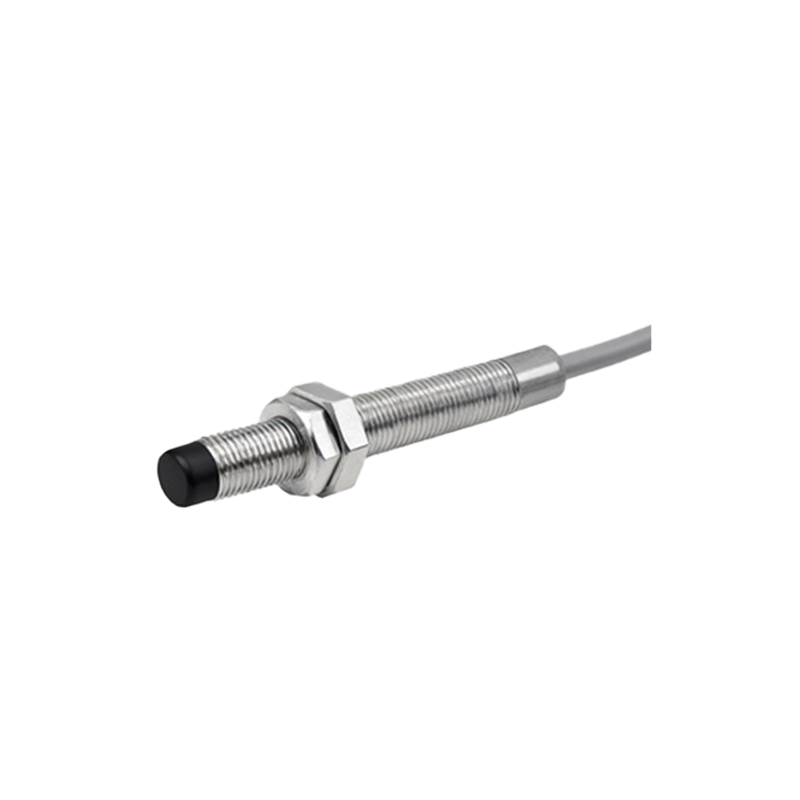
In practice, proximity sensors enhance operational safety and efficiency across sectors like automotive assembly, packaging, material handling, and robotics. For example, in automotive plants, inductive sensors monitor the position of engine components during assembly, preventing misalignments. In packaging lines, photoelectric sensors verify label placement on products, reducing waste. Regular calibration and maintenance are essential to sustain accuracy, as factors like sensor drift or contamination can lead to false readings. Emerging trends, such as the integration of smart sensors with Industrial Internet of Things platforms, enable predictive maintenance and real-time data analytics, further optimizing production workflows.
Ultimately, the choice of a proximity sensor hinges on a thorough analysis of application demands, balancing technical specifications with cost-effectiveness. By leveraging the right sensor technology, industries can achieve higher precision, reliability, and automation levels, driving productivity and innovation in an increasingly competitive landscape.